Hair Mask Buying Guide: How to Choose for Dry, Damaged and Frizzy Hair
Learn how to choose a hair mask for dry, damaged or frizzy hair by comparing formula richness, conditioning focus, usage frequency and how it fits your wash routine.
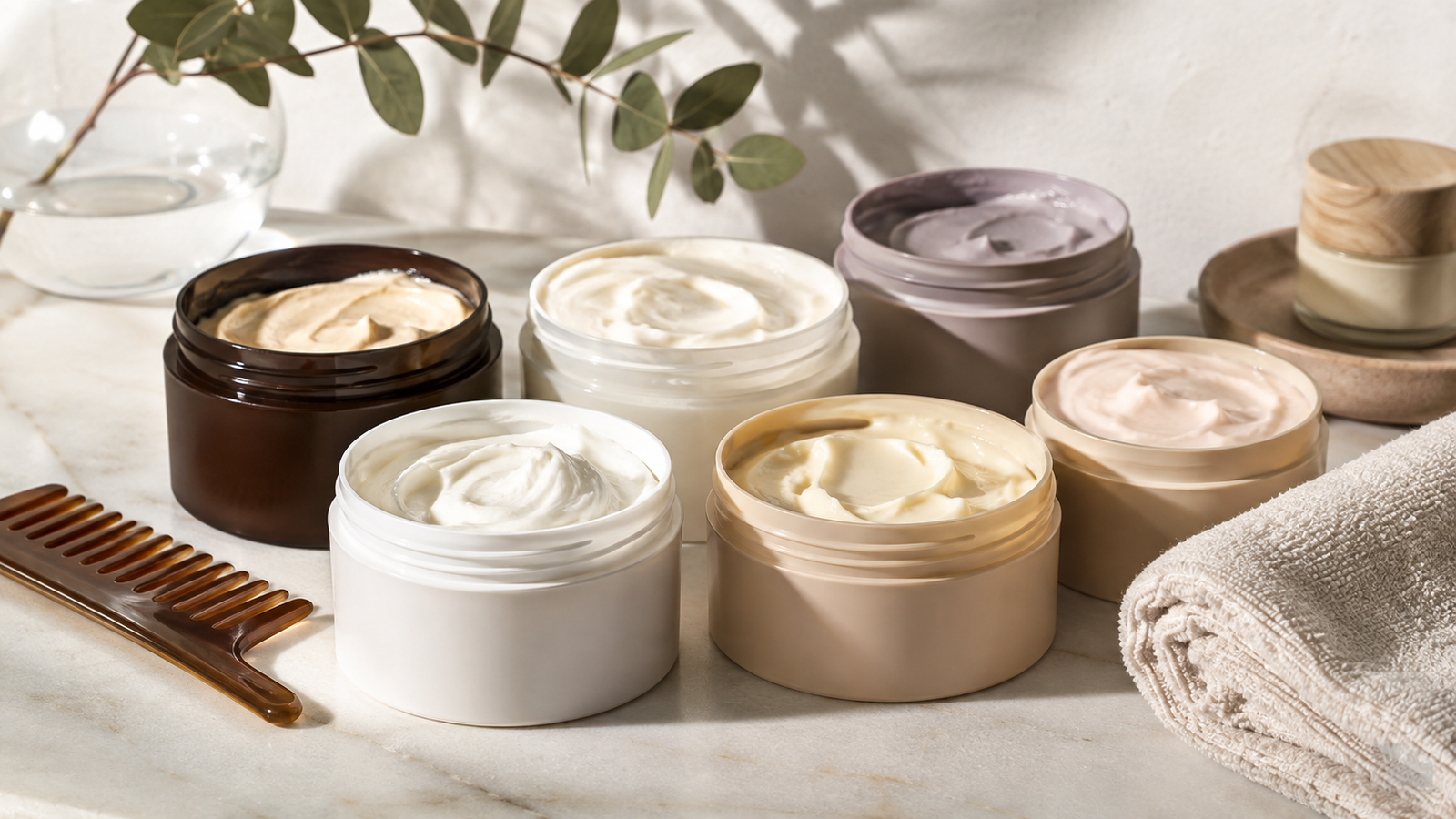
Hair masks are often marketed as the intensive step that can transform dry, damaged or frizzy hair. But the category is much broader than the word “mask” suggests.
Some formulas are essentially richer conditioners. Others focus on protein, bond-support claims, deep conditioning, smoothing, colour-treated hair or very coarse textures. A mask that works well on thick, chemically treated hair may leave fine hair flat and coated, while a lightweight mask may not provide enough conditioning for severely dry lengths.
The useful question is therefore not:
“Which hair mask is the most intensive?”
It is:
“What does my hair actually need, and how much conditioning can it tolerate without becoming heavy, stiff or coated?”
The best hair mask is not necessarily the richest or most expensive one. It is the formula that improves softness, detangling and manageability while fitting comfortably into the rest of your wash routine.
What Does a Hair Mask Actually Do?
Hair masks are rinse-out conditioning products that are generally designed to provide more intensive conditioning than an everyday conditioner.
Depending on the formulation, they may help:
- improve softness;
- make detangling easier;
- reduce friction between strands;
- smooth rough-feeling lengths;
- improve the appearance of frizz;
- temporarily improve the feel of damaged hair;
- make chemically treated hair easier to manage;
- add shine;
- reduce the dry feeling caused by repeated washing or heat styling.
A hair mask mainly works on the existing hair fibre.
It can improve how damaged hair feels and behaves, but it cannot return severely damaged hair to its original undamaged state.
That distinction is important when evaluating terms such as:
- repair;
- restore;
- reconstruct;
- rebuild;
- bond repair.
These words can describe useful cosmetic benefits, but they do not all mean the same thing.
Hair Mask vs Conditioner
This is one of the first decisions to understand.
Conditioner
A normal rinse-out conditioner is typically designed for frequent use after shampoo.
Its main jobs include:
- detangling;
- reducing static;
- improving softness;
- smoothing the hair surface;
- making the hair easier to manage.
Hair Mask
A mask is usually:
- richer;
- more concentrated;
- left on slightly longer;
- used less frequently;
- positioned for more intensive conditioning.
However, there is no universal rule that every mask is stronger than every conditioner.
Some lightweight masks may actually be less rich than heavy everyday conditioners.
So do not choose purely from the word “mask.”
Look at:
- texture;
- ingredients;
- intended hair type;
- directions;
- how your hair responds after rinsing and drying.
Start With the Main Problem You Want to Solve
“Damaged hair” is a broad description.
Different types of hair damage and dryness may benefit from different approaches.
Dry Hair
Dry hair may feel:
- rough;
- dull;
- difficult to detangle;
- less flexible;
- prone to frizz.
If dryness is your main issue, prioritize:
- conditioning ingredients;
- emollients;
- good slip;
- a texture appropriate for your hair weight.
You do not automatically need a protein-heavy or bond-focused formula simply because your hair feels dry.
Chemically Damaged Hair
Bleaching, colouring, relaxing and other chemical processes can weaken the hair fibre.
Chemically processed hair may benefit from:
- richer conditioning;
- good detangling support;
- protein-containing formulas where appropriate;
- products specifically designed for damaged hair;
- bond-focused technology if supported by a meaningful formulation.
But remember:
A mask can make chemically damaged hair feel significantly better without completely reversing the structural damage.
Reducing further chemical and mechanical stress remains important.
Heat-Damaged Hair
Frequent use of:
- straighteners;
- curling irons;
- very hot blow-dryers;
- heated brushes;
can contribute to dryness and breakage.
A hair mask may improve softness and manageability, but it should be combined with:
- lower heat where practical;
- fewer repeated passes;
- appropriate heat protection;
- gentler styling.
Using an intensive mask does not cancel out repeated excessive heat exposure.
Frizzy Hair
Frizz can result from several factors:
- natural texture;
- humidity;
- dryness;
- damage;
- styling technique;
- friction;
- cuticle condition.
A smoothing mask can help improve the appearance of frizz, but the correct richness still depends on the hair.
Fine frizzy hair may need a lightweight mask.
Coarse frizzy hair may tolerate a much richer formula.
Hair That Breaks Easily
Breakage can be associated with:
- chemical damage;
- heat;
- mechanical stress;
- tight hairstyles;
- aggressive brushing;
- dryness.
A mask may reduce friction and improve flexibility, but if the damaging behaviour continues, conditioning alone will not solve the problem.
Choose the Right Richness for Your Hair
Formula weight is one of the most important characteristics of a mask.
| Hair type or condition | Mask direction to consider |
|---|---|
| Fine, mildly dry hair | Lightweight mask, less frequent use |
| Medium hair with frizz | Medium-rich smoothing mask |
| Thick or coarse hair | Rich conditioning mask |
| Very dry hair | Rich formula with strong slip |
| Bleached hair | Conditioning mask; targeted strengthening if needed |
| Curly/coily hair | Richer moisture and detangling support |
| Oily roots + dry ends | Apply mainly to lengths and ends |
| Hair easily weighed down | Lightweight formula, shorter contact time |
These are starting points rather than strict rules.
Fine Hair
Fine hair can be dry or damaged while still becoming weighed down easily.
Avoid choosing the richest mask simply because the label says “repair.”
Look for:
- lighter conditioning texture;
- good slip without heavy residue;
- smaller application amount.
You may also need the mask less frequently.
Thick or Coarse Hair
Thicker hair can often tolerate more:
- emollients;
- fatty ingredients;
- silicones;
- richer conditioning agents.
These formulas can help improve manageability and reduce the rough feeling of coarse hair.
Curly and Coily Hair
Curly and coily hair often benefits from substantial conditioning because detangling and friction can be major concerns.
Look for:
- good slip;
- even distribution;
- strong conditioning;
- a texture appropriate for your strand thickness and density.
A mask can be particularly useful before detangling.
Consider Strand Thickness, Density and Porosity Together
Hair categories become more useful when you consider several characteristics rather than one.
Strand Thickness
Fine strands are more easily weighed down.
Coarse strands often tolerate richer formulas.
Density
Someone can have fine strands but a large amount of hair.
That person may need a surprisingly generous amount of product for coverage while still needing a lightweight formula.
Likewise, someone with coarse but low-density hair may tolerate a rich mask without using very much product.
Porosity
Porosity describes how easily hair takes up and loses moisture.
Home tests such as floating strands in water are unreliable because residue and surface tension can affect the result.
Instead, observe your hair.
If it:
- becomes coated easily;
- takes a long time to fully absorb products;
start with lighter conditioning.
If it:
- feels rough quickly;
- seems to lose softness soon after washing;
- is heavily chemically processed;
you may prefer a richer mask.
The best indicator is how your hair feels after it dries.
What Ingredients Should You Look For?
You do not need to memorize every ingredient.
Understand the broad categories instead.
Conditioning Agents
These are among the most important components of a good hair mask.
They can help:
- reduce static;
- improve slip;
- make detangling easier;
- smooth the hair surface.
If your main problem is tangling or roughness, good conditioning performance is more important than trendy extracts.
Fatty Alcohols
Fatty alcohols such as cetyl or cetearyl alcohol are common in conditioners and masks.
Despite the word “alcohol,” they are very different from drying alcohols.
They help contribute:
- creaminess;
- softness;
- emollience;
- conditioning texture.
They are often useful components of richer hair masks.
Silicones
Silicones are frequently used in masks for:
- smoothing;
- shine;
- slip;
- friction reduction;
- manageability.
They are particularly useful in damaged-hair formulas.
Silicones are not automatically problematic.
If they improve your hair’s feel without causing excessive buildup, they can be very useful.
Oils and Butters
Masks may contain:
- coconut oil;
- argan oil;
- shea butter;
- avocado oil;
- sunflower oil;
- other plant-derived emollients.
These can increase richness and softness.
But a product containing many oils is not automatically more nourishing.
The complete formula matters more than the number of oils listed.
Proteins
Hydrolysed proteins may be included in masks designed for damaged hair.
Common examples can include:
- hydrolysed keratin;
- wheat protein;
- rice protein;
- collagen-derived proteins;
- amino-acid blends.
Protein-containing products may be useful for some damaged hair types, but not every dry head of hair needs frequent protein treatment.
If repeated protein-focused products leave your hair:
- stiff;
- rough;
- brittle-feeling;
- difficult to manage;
reduce the frequency.
Bond-Focused Ingredients
“Bond repair” has become a major marketing category.
Some products use specific technologies designed to interact with damaged areas of the hair fibre, while others use the term more broadly.
Do not assume that every product with “bond” on the label works in the same way.
Look for:
- clear explanation of the technology;
- transparent ingredient information;
- realistic claims.
Moisture vs Protein: Do You Have to Choose?
Online advice often divides masks into:
moisture masks vs protein masks
The distinction can be useful, but reality is more complex.
Many masks contain:
- conditioning agents;
- oils;
- humectants;
- proteins;
all in the same formula.
Instead of trying to diagnose a perfect “moisture-protein balance,” observe the result.
If your hair feels:
- soft but weak;
- overly stretchy when wet;
- very compromised after bleaching;
a strengthening or protein-containing treatment may be worth considering.
If your hair feels:
- stiff;
- rough;
- tangly;
after frequent protein treatments, reduce them and use a more conditioning-focused mask.
Dryness alone does not automatically mean you need more protein.
Hair Masks for Colour-Treated Hair
Colour-treated hair often needs good conditioning because chemical processing can increase roughness and porosity.
Look for:
- gentle conditioning;
- good slip;
- manageable richness;
- colour-care positioning where useful.
But the mask is only one part of colour maintenance.
Also consider:
- wash frequency;
- shampoo strength;
- water temperature;
- heat exposure.
A very harsh cleansing routine followed by a very rich mask is not always better than a gentler overall routine.
Hair Masks for Frizz
If frizz is your primary concern, look for a mask that improves:
- smoothing;
- slip;
- conditioning;
- manageability.
For fine frizzy hair, avoid extremely rich butter-heavy products unless you know your hair tolerates them.
For coarse frizzy hair, richer formulas may be much more useful.
Frizz control also depends on:
- styling products;
- drying technique;
- humidity;
- friction from towels and pillowcases.
Do not expect the mask alone to control every form of frizz.
How Often Should You Use a Hair Mask?
There is no universal schedule.
A practical starting point might be:
Mildly dry or normal hair
Every one to two weeks.
Chemically treated or coarse hair
Possibly once weekly or according to need.
Fine hair
Less frequently, especially with rich formulas.
Very dry or textured hair
Frequency can be higher if the mask continues to improve manageability without causing buildup.
The best schedule is determined by the result.
If your hair becomes:
- flat;
- coated;
- difficult to style;
reduce the frequency or amount.
If it still feels:
- rough;
- difficult to detangle;
you may need more conditioning or a different formula.
How Much Hair Mask Should You Use?
Using more than necessary wastes product and can weigh hair down.
Start with enough to coat the mid-lengths and ends evenly.
For long or dense hair, sectioning can help.
Rather than applying one huge handful to the outside of the hair:
- divide the hair into sections;
- apply a moderate amount;
- work it through with your fingers;
- use a wide-tooth comb if appropriate;
- add more only where coverage is insufficient.
Good distribution is often more important than excessive quantity.
Where Should You Apply Hair Mask?
Most masks should be focused on:
- mid-lengths;
- ends.
These are usually the driest and most damaged parts.
If your roots become oily easily, avoid coating the scalp unless the product specifically states that it is designed for scalp use.
A hair-length mask and a scalp treatment are different products.
How Long Should You Leave a Hair Mask On?
Follow the manufacturer’s instructions.
Many masks are designed to work within:
- 3 minutes;
- 5 minutes;
- 10 minutes;
- 15 minutes.
Leaving a mask on for several hours does not necessarily make it more effective.
Many conditioning ingredients work relatively quickly once distributed through wet hair.
Focus on:
- even application;
- correct quantity;
- recommended contact time.
Longer is not automatically better.
Should You Use Heat With a Hair Mask?
Some people wrap the hair in a warm towel or use gentle warmth.
Unless the manufacturer specifically recommends heat, it is not essential.
Avoid exposing hair and scalp to excessive heat simply to make a mask feel more “intensive.”
If you enjoy using a warm towel, keep the temperature comfortable and moderate.
Can Hair Mask Replace Conditioner?
Often, yes, on the days you use it.
A common routine is:
shampoo → hair mask → rinse
You usually do not need:
shampoo → conditioner → mask → conditioner again
unless the product directions specifically recommend it or your hair genuinely benefits from the combination.
Too many conditioning layers can lead to unnecessary heaviness.
What Should You Avoid When Choosing a Hair Mask?
Avoid Buying the Richest Formula Automatically
The richest mask is not always the best mask.
Fine damaged hair may need intensive conditioning without heavy residue.
Avoid Believing Every “Repair” Claim Literally
Repair language can describe cosmetic improvement.
Do not assume a mask can permanently reverse severe structural damage.
Avoid Using Protein Without Watching the Result
Protein can be useful, but more protein is not automatically better.
Observe whether your hair becomes stronger-feeling or stiff.
Avoid Buying Only for One Hero Ingredient
A mask containing:
- argan oil;
- keratin;
- biotin;
- coconut oil;
- collagen;
is not necessarily better because that ingredient appears prominently on the label.
The complete formula matters.
Avoid Using a Mask to Compensate for Excessive Damage
If you repeatedly:
- bleach;
- straighten at very high temperatures;
- use tight hairstyles;
- brush aggressively;
a mask cannot fully compensate for those habits.
Avoid Applying Rich Masks Directly to Oily Roots
Unless the product is designed for scalp use, concentrate it on the lengths.
When a Hair Mask Is Not the Right Solution
Hair masks are cosmetic products for the hair fibre.
They are not designed to treat:
- sudden hair loss;
- patchy hair loss;
- scalp sores;
- persistent scalp inflammation;
- severe dandruff;
- medical scalp conditions.
Likewise, if breakage is primarily caused by:
- tight ponytails;
- rough detangling;
- excessive heat;
the behaviour needs to change.
A mask can improve manageability, but it cannot eliminate the source of damage.
How to Compare Value for Money
Hair-mask packaging varies widely.
You may see:
- 100 g;
- 200 g;
- 300 g;
- 500 g;
jars at very different prices.
Compare:
- price per 100 g or 100 ml;
- amount required per application;
- hair length and density;
- frequency of use.
For example:
A 200 g mask costing ₹600 equals approximately:
₹300 per 100 g
A 300 g mask costing ₹750 equals:
₹250 per 100 g
The second product may provide better value even though it costs more upfront.
But value should still include performance.
A cheap mask that requires twice as much product per application may not actually be cheaper per use.
Packaging Matters
Most masks come in:
- jars;
- tubs;
- tubes.
Jars
Easy for:
- thick formulas;
- taking larger quantities;
- long or dense hair.
But repeated finger contact can be less hygienic.
Tubes
Can provide:
- easier dose control;
- less exposure to water;
- cleaner handling.
However, very thick formulas can become difficult to squeeze near the end.
Packaging is not the most important factor, but convenience affects how consistently you use the product.
Common Hair Mask Buying Mistakes
Buying by Curl Pattern Alone
Curl pattern does not tell you everything.
Also consider:
- strand thickness;
- density;
- damage;
- porosity;
- weight tolerance.
Assuming Damaged Hair Needs the Heaviest Product
Fine damaged hair can still become flat.
Choose according to both damage and strand thickness.
Using Hair Mask at Every Wash Automatically
Some hair can tolerate this.
Other hair will quickly become:
- limp;
- coated;
- difficult to style.
Adjust frequency based on results.
Ignoring Protein Across the Entire Routine
Protein may already exist in your:
- shampoo;
- conditioner;
- leave-in;
- styling products.
Consider the complete routine rather than one mask in isolation.
Expecting a Mask to Repair Split Ends
Masks can make split ends look smoother.
They cannot permanently fuse them back together.
Chasing Every New “Repair Technology”
Bonding, protein, keratin and moisture products each have different purposes.
Do not change masks constantly unless the current one is failing to meet your needs.
Quick Hair Mask Decision Guide
| Your priority | What to look for |
|---|---|
| Fine + dry hair | Lightweight conditioning mask |
| Thick + dry hair | Rich moisturizing mask |
| Coarse/frizzy hair | Strong smoothing and slip |
| Bleached hair | Conditioning + targeted strengthening |
| Heat-damaged hair | Conditioning plus better heat-protection routine |
| Curly/coily hair | Rich detangling and moisture support |
| Oily roots | Apply only to lengths |
| Frequent buildup | Lighter formula or lower frequency |
| Budget/value | Compare ₹ per 100 g and amount per use |
Before You Buy: Final Checklist
Ask yourself:
- Is my main issue dryness, damage, frizz or detangling?
- Is my hair fine, medium or coarse?
- How dense is my hair?
- Is it chemically processed?
- Do I regularly use high heat?
- Does my hair become weighed down easily?
- Do I need a moisture-focused or strengthening formula?
- Am I already using several protein-containing products?
- How often do I realistically plan to use the mask?
- What is the pack size?
- What is the cost per 100 g or 100 ml?
- Will I use it instead of conditioner on mask days?
- Does the formula make sense for the rest of my routine?
Frequently Asked Questions
Can I use a hair mask every week?
Yes. Weekly use works well for many people, particularly those with dry or chemically treated hair. Fine hair may need less frequent use.
Can I use a hair mask instead of conditioner?
Usually yes on mask days, depending on the product instructions and how your hair responds.
Can I leave a hair mask on overnight?
It is generally unnecessary unless the product specifically says it is designed for overnight use.
Should I apply hair mask to my scalp?
Usually not. Most masks are intended for the lengths and ends unless the label specifically states otherwise.
Can hair masks repair damaged hair?
They can improve softness, manageability and the appearance of damage, but they cannot completely restore severely damaged hair to its original state.
Are protein masks good for damaged hair?
They can be useful for some damaged hair types, but excessive protein use may leave some hair feeling stiff or rough.
Is a hair mask good for frizzy hair?
Yes, particularly if the frizz is associated with dryness or roughness. Choose richness according to your hair thickness.
Can a hair mask fix split ends?
No. It can temporarily smooth their appearance, but trimming is required to remove split ends.
Is a more expensive hair mask better?
Not necessarily. Compare formula, quantity, amount per use and how your hair responds.
How do I know if a hair mask is too heavy?
Signs can include:
- flat hair;
- greasy-looking lengths;
- reduced volume;
- strands clumping together;
- hair feeling coated after drying.
Use less, reduce frequency or switch to a lighter formula.
Should coloured hair use a special mask?
Colour-treated hair often benefits from good conditioning. A colour-focused mask may be useful, but gentle cleansing, lower heat and appropriate wash frequency are also important.
Can I use hair serum after a mask?
Yes. Rinse the mask thoroughly, style normally, and use a small amount of serum if you still need smoothing or shine.
The Physical Glow Takeaway
Choose a hair mask according to what your hair needs and how much richness it can tolerate, rather than automatically selecting the most intensive formula.
Fine or easily weighed-down hair usually benefits from lighter masks and less frequent use. Thick, coarse or very dry hair can often tolerate richer conditioning. Chemically processed hair may benefit from targeted protein or bond-support products, but dryness alone does not automatically mean you need more protein.
Look for good conditioning, slip and manageability first. Compare pack size and cost per use, follow the recommended application time, and use enough product to coat the lengths evenly without saturating the roots.
Most importantly, remember that a mask works best as part of a sensible routine. Reducing excessive heat, harsh chemical processing and mechanical damage is just as important as the treatment you apply afterwards.