Plum Green Tea Clear Face Mask Review: Clay-Based Care for Oily, Acne-Prone Skin
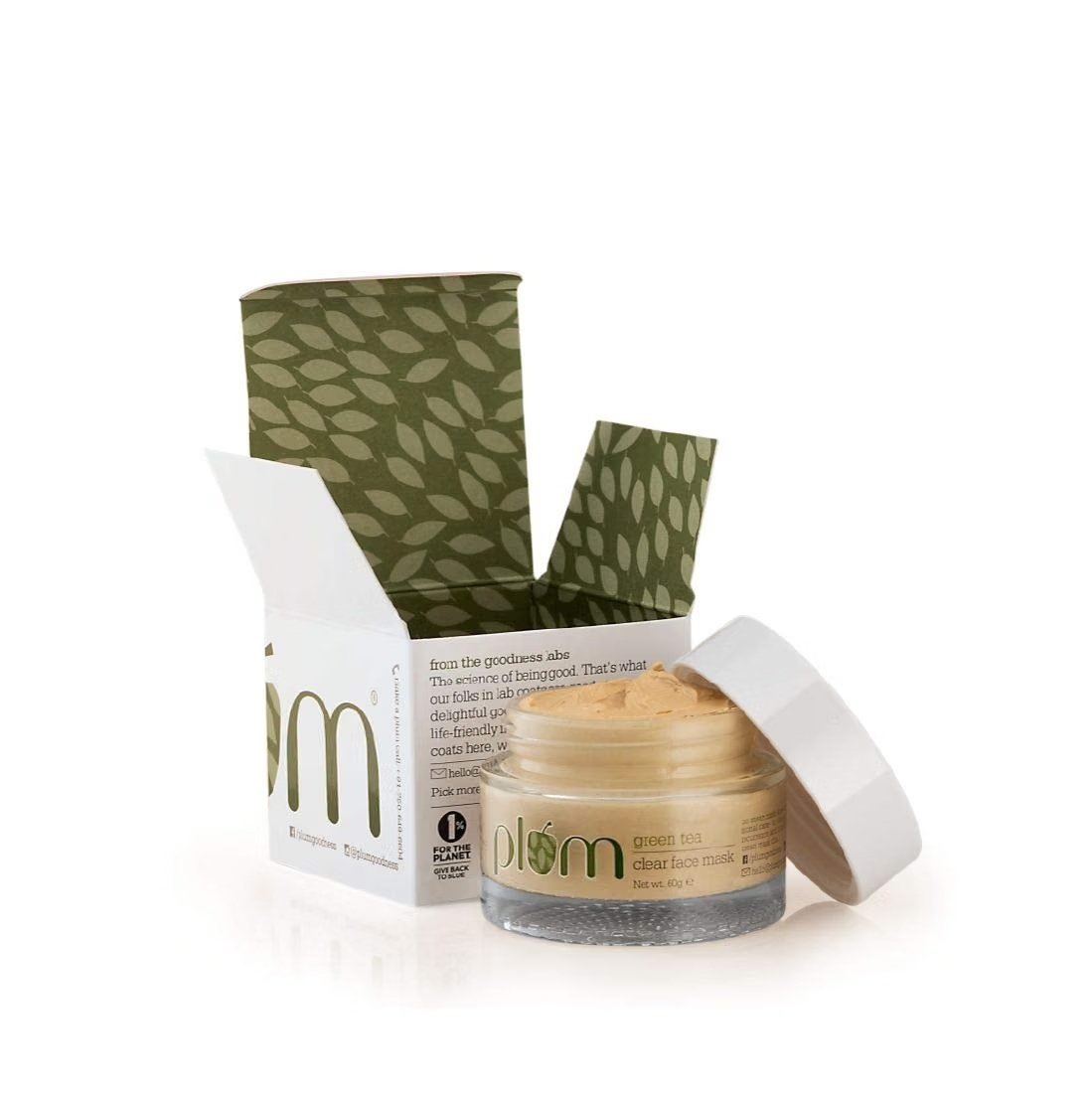
Plum’s Green Tea Clear Face Mask is a clay-based wash-off mask positioned for oily, acne-prone skin, featuring green tea extract, kaolin, bentonite, and glycolic acid. Its transparent ingredient list and targeted formulation are its main strengths.
Physical Glow Verdict
Plum’s Green Tea Clear Face Mask is clearly positioned for oily and acne-prone skin, with a transparent ingredient list and a formulation that aligns with widely accepted approaches for managing excess oil and surface congestion. Its strengths lie in its clay and green tea content, but without independent performance evidence or price data, expectations should remain grounded in the brand’s positioning rather than proven outcomes.
Face masks can be a strategic addition for those managing oily, acne-prone skin, but the real question is whether a product’s formulation and positioning align with what your skin actually needs. Plum’s Green Tea Clear Face Mask is presented as a solution for excess oil, clogged pores, and breakouts, leveraging a blend of clays, green tea extract, and glycolic acid. Here, we examine what’s genuinely supported by the evidence—and what remains unknown.
What the Mask Is and Who It’s For
Plum positions its Green Tea Clear Face Mask as a clay-based, wash-off treatment specifically for people with oily and acne-prone skin. The brand highlights concerns such as excess oil, clogged pores, breakouts, uneven texture, and dead skin cells as its main targets. According to the supplied usage instructions, the mask is intended to be applied in a thin, even layer on a cleansed face (avoiding the eye area), left on until dry, and then washed off with cold water before following up with a moisturizer.
Ingredients and Formulation
The product’s ingredient list is fully disclosed, which is a notable strength for transparency. Key ingredients include kaolin and bentonite clays—both widely recognized for their oil-absorbing properties—alongside Camellia Sinensis (green tea) leaf extract, which is known in general scientific literature for its antioxidant content. The inclusion of glycolic acid (an alpha hydroxy acid, or AHA) is also significant, as AHAs are commonly used for their exfoliating properties. Other ingredients include cetearyl alcohol, glyceryl stearate, phenoxyethanol, ethylhexylglycerine, fragrance, and FDA-approved colors. This blend is typical of masks intended to address oiliness and surface congestion.
Brand Claims and Positioning
According to the manufacturer, this mask is designed to detoxify, rejuvenate, and clarify the skin. The brand also claims it helps control excess oil, exfoliates dead skin cells, and soothes inflammation, all while being gentle and non-drying. These claims are attributed to the inclusion of green tea, clays, and glycolic acid, ingredients that are generally recognized for their relevance to oily and acne-prone skin. However, these remain manufacturer statements and are not independently verified performance outcomes.
General Science and Practical Considerations
Kaolin and bentonite are both clays commonly used in skincare for their ability to absorb oil and reduce surface shine, making them frequent choices in products for oily skin. Green tea extract is often included for its antioxidant properties, while glycolic acid is a well-known chemical exfoliant that helps remove dead skin cells. While these ingredients are widely accepted in the context of oily and acne-prone skin, the actual impact of this specific mask on individual users is not established by independent evidence here. The mask is supplied in a 60 g size, and the inclusion of fragrance may be relevant for those who prefer or avoid scented products, though no claims about fragrance sensitivity or tolerability are made.
What Remains Unknown
There is no product-specific performance evidence supplied for this mask—meaning there are no clinical trials, user studies, or independent test results available to substantiate the brand’s claims. Additionally, no price information is provided, so value-for-money cannot be assessed. The absence of warnings or limitations in the evidence does not imply universal suitability, especially for those with sensitivities or preferences not addressed by the supplied data.
Pros
- Transparent, fully disclosed ingredient list
- Formulation includes clays, green tea extract, and glycolic acid—ingredients commonly used for oily and acne-prone skin
- Clear usage instructions and target concerns
Frequently asked questions
- What skin concerns is the Plum Green Tea Clear Face Mask positioned for?
- The mask is positioned for oily and acne-prone skin, targeting excess oil, clogged pores, breakouts, uneven texture, and dead skin cells.
- What are the key ingredients in this mask?
- Key ingredients include kaolin, bentonite, Camellia Sinensis (green tea) leaf extract, and glycolic acid.
- How should the mask be used?
- Apply a thin, even layer to a cleansed face (avoiding the eye area), leave on until dry, wash off with cold water, and follow with a moisturizer.