The Derma Co 2% Salicylic Acid Clay Face Mask: A Targeted Approach for Congested Skin
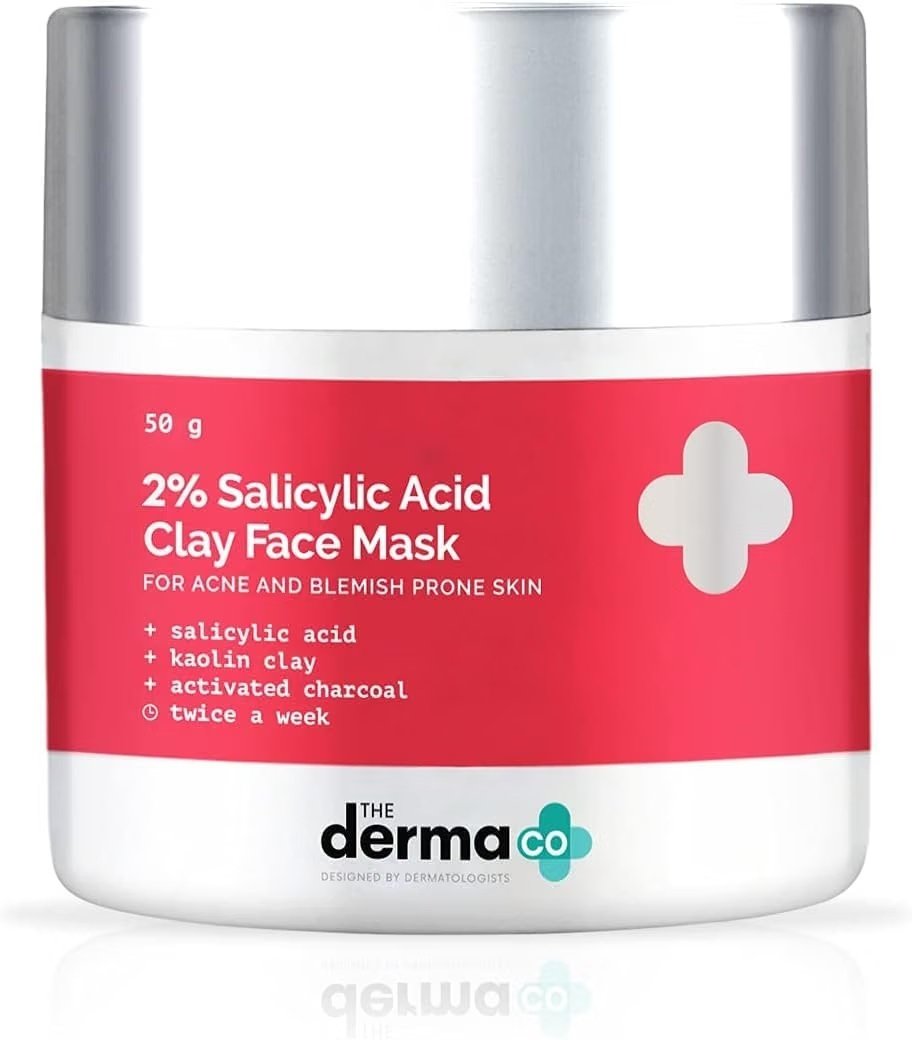
The Derma Co’s 2% Salicylic Acid Clay Face Mask is positioned as a focused solution for those managing blemishes and excess oil. Its formula combines salicylic acid, kaolin clay, and activated charcoal for pore care, but users should heed the clear limitations and safety guidance.
Physical Glow Verdict
The Derma Co 2% Salicylic Acid Clay Face Mask is a focused option for those with blemish-prone skin, offering a transparent ingredient list and a clear regimen. Its combination of salicylic acid, kaolin clay, and activated charcoal is well-aligned with the needs of oily or congested skin, but users must follow the safety instructions closely and avoid use on sensitive or compromised skin. While the mask’s claims are consistent with the known properties of its ingredients, individual results and tolerability are not independently established.
Managing blemishes and congested skin often requires a targeted, ingredient-driven approach. The Derma Co 2% Salicylic Acid Clay Face Mask is positioned as a specialized treatment for those with blemish-prone or congested skin. With a blend of salicylic acid, kaolin clay, and activated charcoal, this mask is designed for users seeking to unclog pores, control oil, and improve overall skin texture—while also demanding careful attention to usage instructions and skin sensitivity.
What the Mask Is Designed to Do
The Derma Co positions this clay face mask for blemish-prone skin, specifically targeting issues like clogged pores, excess oil, blackheads, whiteheads, and pigmentation left by UV exposure or previous breakouts. The inclusion of 2% salicylic acid is central to its purpose, as this oil-soluble ingredient is widely used in skincare to help clear out excess oil and bacteria from pores. Kaolin clay and activated charcoal are also present, both commonly included in masks intended to draw out impurities and absorb oil. The brand states that the mask helps control oil, remove blackheads and whiteheads, and improve skin texture, while also claiming gentle exfoliation and hydration.
How to Use It—and Who Should Consider It
The mask is intended for men and women with blemish-prone skin, including those dealing with clogged pores, blackheads, whiteheads, and pigmentation from UV or acne. The recommended usage is specific: apply a generous amount to clean, dry skin, leave on for 10 minutes, and rinse with lukewarm water. Importantly, the instructions emphasize starting with a small dose to gauge skin comfort, using only twice a week, and applying exclusively at night. This regimen reflects the potential for increased skin sensitivity, particularly due to the presence of salicylic acid.
Key Ingredients and Their Roles
The formula’s main actives are salicylic acid, kaolin clay, and activated charcoal. Salicylic acid is known for its ability to penetrate oily pores and help clear out debris and bacteria, which is why it is frequently used in products for blemish-prone skin. Kaolin clay is a gentle clay that can help absorb excess oil, while activated charcoal is often included in skincare for its adsorptive properties—meaning it can bind to impurities and help remove them from the skin’s surface. Together, these ingredients create a mask that, on paper, is designed to address multiple aspects of congested or oily skin.
Safety, Sensitivity, and Limitations
The product comes with clear warnings that should not be overlooked. Users are advised to conduct a patch test 24 hours before initial use, and the mask should not be applied to sensitive, peeling, or compromised skin. The instructions also specify avoiding the eye area and using sunscreen daily, even on days the mask is not used, due to increased UV sensitivity from salicylic acid. Overuse is discouraged—application is limited to twice weekly to avoid over-exfoliation. These cautions are particularly relevant for anyone with sensitive or reactive skin, and those seeking a daily-use mask or a solution for compromised skin should look elsewhere.
What Is—and Isn’t—Established
The mask’s claims are rooted in the established science of its ingredients and the manufacturer’s positioning. However, there is no independent evidence provided regarding its specific performance, user outcomes, or clinical efficacy. While the formula is transparent and the key actives are well-known in the skincare community, readers should recognize that the mask’s effectiveness for any individual will depend on personal skin type, tolerance, and adherence to the recommended usage.
Pros
- Transparent, fully disclosed ingredient list
- Anyone with blemish or acne-prone skin
- Men and women
Cons
- Do a patch test 24 hours before use.
- Do not apply on sensitive, peeling, or compromised skin.
Frequently asked questions
- Who is this mask intended for?
- It is positioned for anyone with blemish or acne-prone skin, including men and women dealing with clogged pores, blackheads, whiteheads, excess oil, or pigmentation from UV or acne.
- How often can I use this mask?
- The mask is recommended for use only twice a week, and exclusively at night, to avoid over-exfoliation and increased UV sensitivity.
- What precautions should I take before using this mask?
- A patch test 24 hours before use is advised, and the mask should not be applied to sensitive, peeling, or compromised skin. Daily sunscreen use is recommended due to increased UV sensitivity.