Top 5 Sunscreens in India: Best Picks for Everyday Use
Five sunscreens in India compared by SPF and UVA protection, texture, skin-type positioning, resistance claims and everyday practicality, with clear reasons for each pick.
Choosing a sunscreen is not simply a matter of picking the highest SPF on the shelf. The formula also has to suit the way you actually use it: the finish needs to feel comfortable, the UVA protection should be clearly stated, and the texture should work with your skin and the rest of your morning routine. For this guide, we compared five currently listed sunscreens that cover noticeably different use cases, from ultra-matte and water-resistant formulas to lightweight gels and compact premium fluids.
How we chose our top five
Our ranking is based on the product information available for each formula, including stated SPF and PA protection, texture, water- or sweat-resistance claims where provided, skin-type positioning, quantity and practical differentiation. We did not use manually copied marketplace star ratings or temporary sale prices to determine the order. The aim is to help you choose the most suitable option for your routine rather than assume that one sunscreen is universally best for everyone.
The strongest all-round pick combines high stated UV protection with practical wear features. Other positions are intentionally more specialised: one favours an aqua-gel texture, one emphasises water resistance, one is explicitly positioned for oily and acne-prone skin, and one offers a compact premium format.
What matters most when choosing a sunscreen
1. Look beyond SPF alone
SPF mainly communicates protection against UVB, while the PA system is commonly used to indicate UVA protection. For everyday facial use, it is useful to look for a clearly labelled broad-spectrum or UVA rating rather than choosing by SPF number alone. In this shortlist, the products include SPF 50 or SPF 50+ options, with PA ratings stated on several of the formulas.
2. Texture can determine whether you use enough
A sunscreen that feels uncomfortable is difficult to use consistently. Gel and aqua-gel formulas can appeal to people who dislike heavier creams, while matte or dry-touch formulas may fit oily or humid-weather routines better. A fluid sunscreen can be useful when you want a lighter layer under makeup. The best texture is the one that lets you apply an adequate amount without constantly trying to reduce or skip the product.
3. Match the finish to your skin and routine
People with oily or acne-prone skin often prefer formulas positioned as non-greasy, non-comedogenic or gel-based. Dry skin may tolerate a more emollient sunscreen, especially when paired with a suitable moisturiser. Combination skin can often work with lightweight gels or fluids. These labels are useful starting points, but individual comfort and tolerability still matter.
4. Water resistance matters for outdoor use
If your routine includes outdoor exercise, heavy sweating or time around water, a water- or sweat-resistant sunscreen may be more practical than a purely everyday indoor-office formula. Water resistance does not make sunscreen permanent: follow the product directions and reapply after swimming, heavy sweating or towelling.
5. Quantity and portability can change the value equation
A 75 g or 80 g pack may be convenient for regular face-and-neck use, while a compact 40 ml format may suit travel or users who want a smaller premium product. Pack size should not be treated as quality by itself, but it affects how quickly you are likely to finish a sunscreen when applying it properly.
How the five picks differ
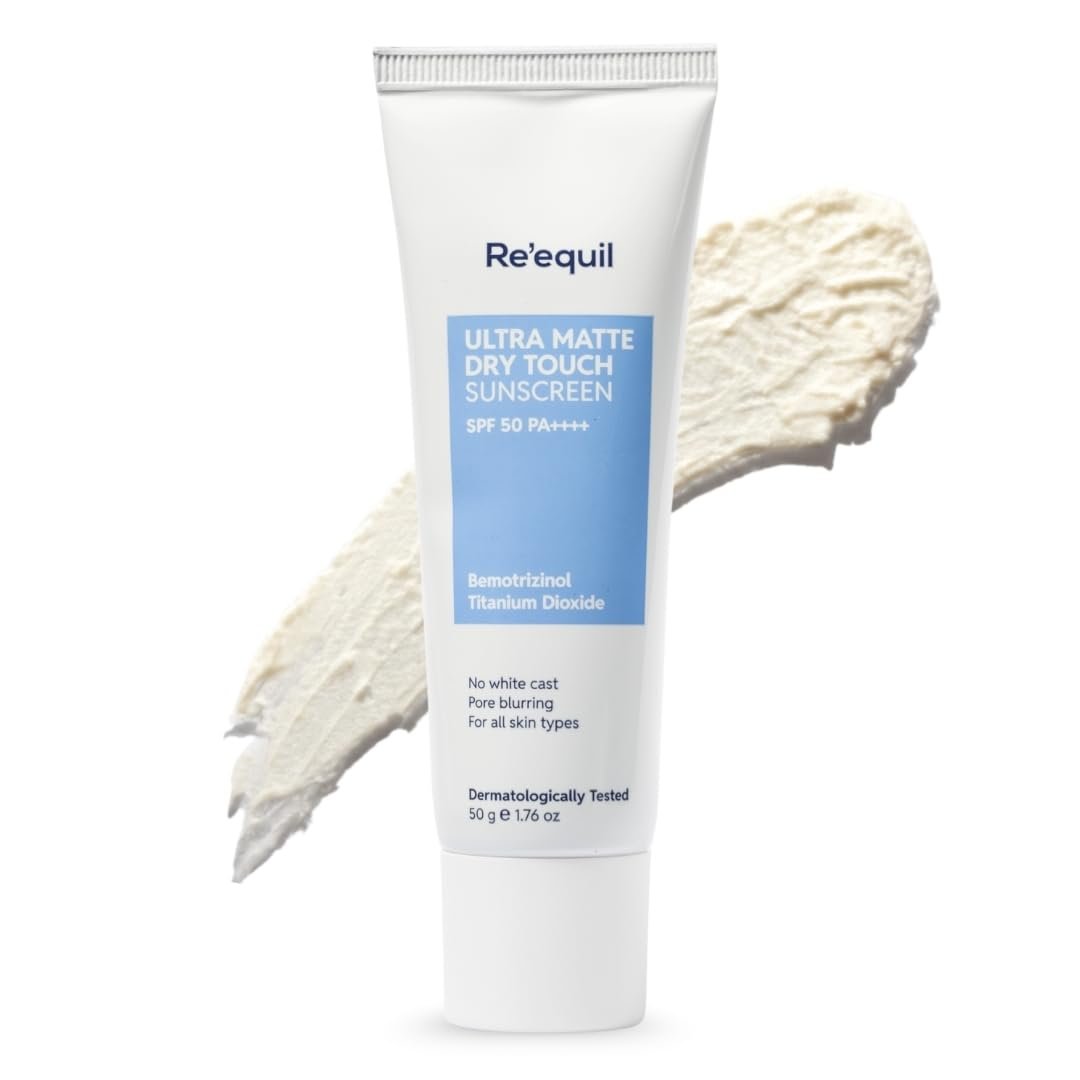
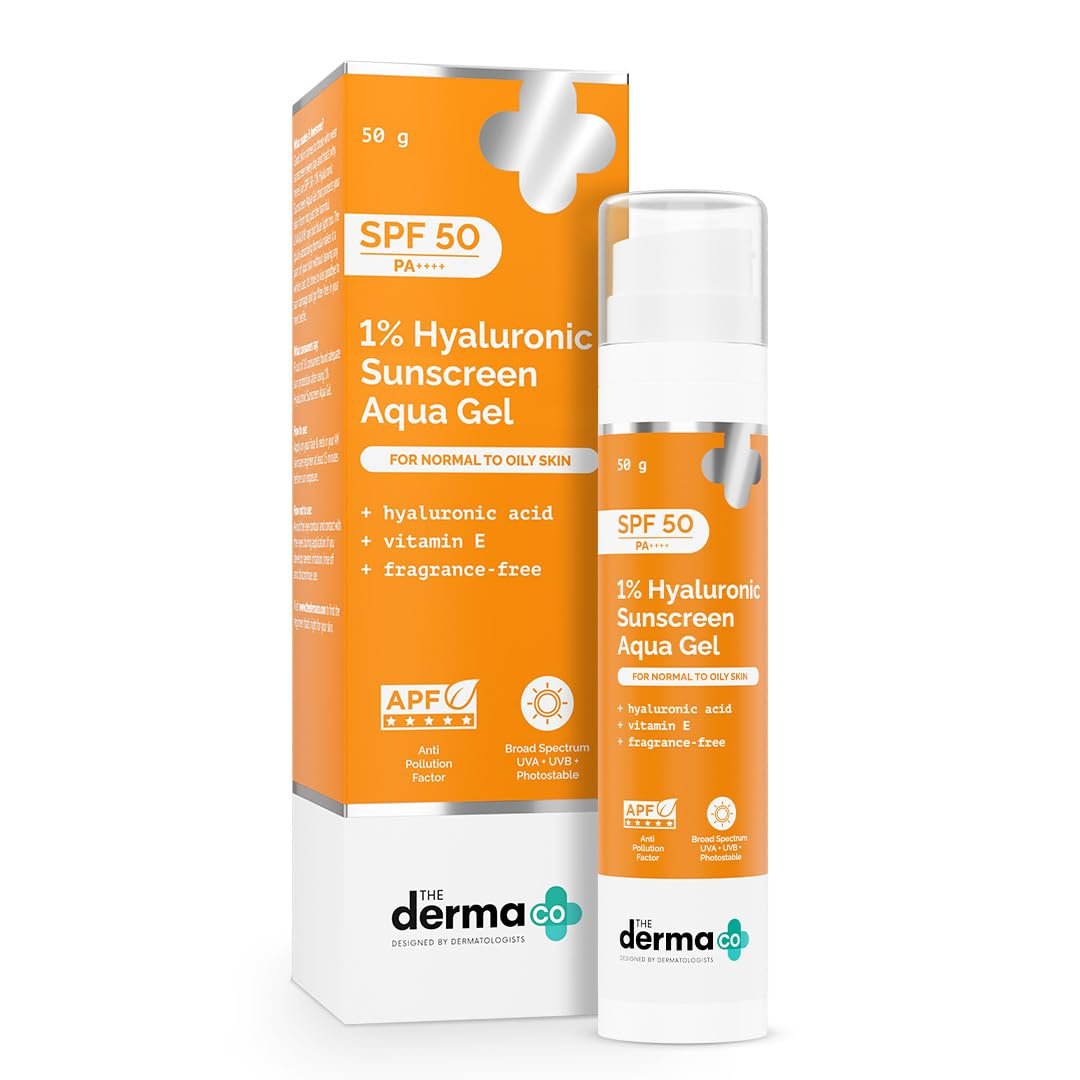
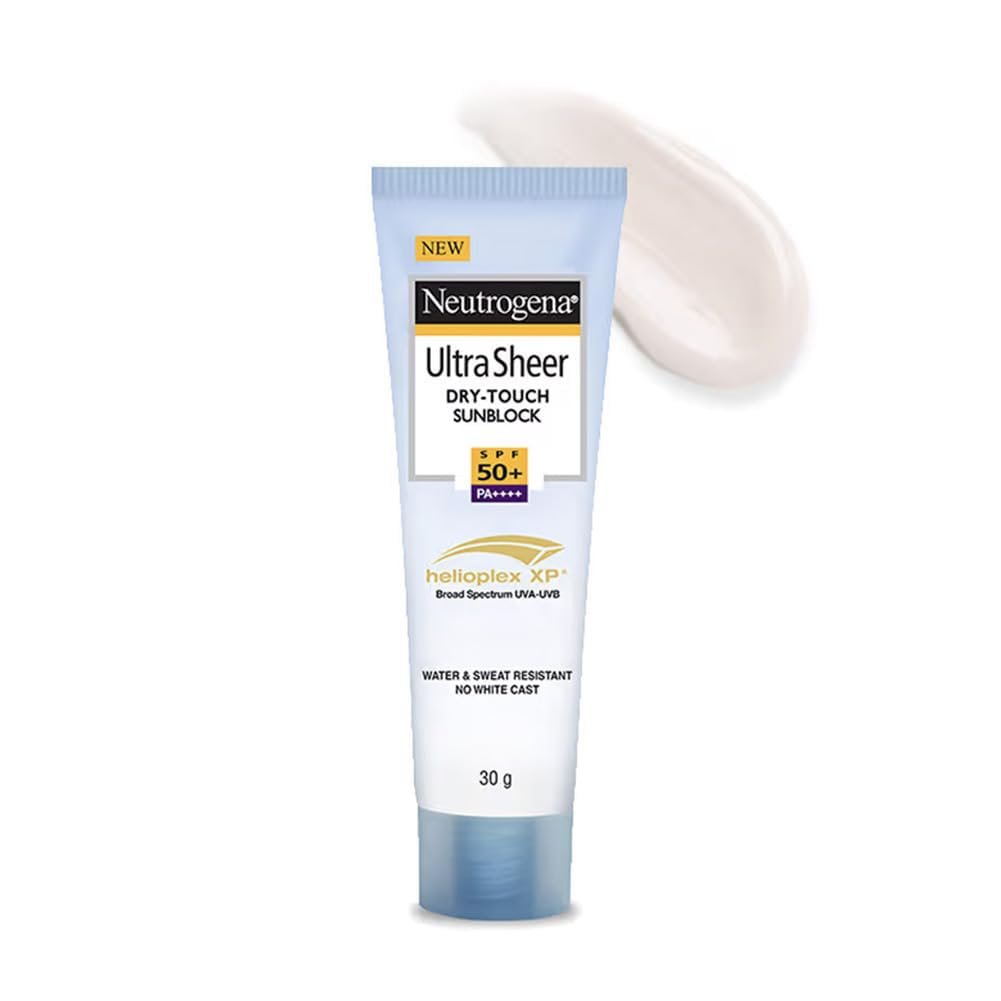
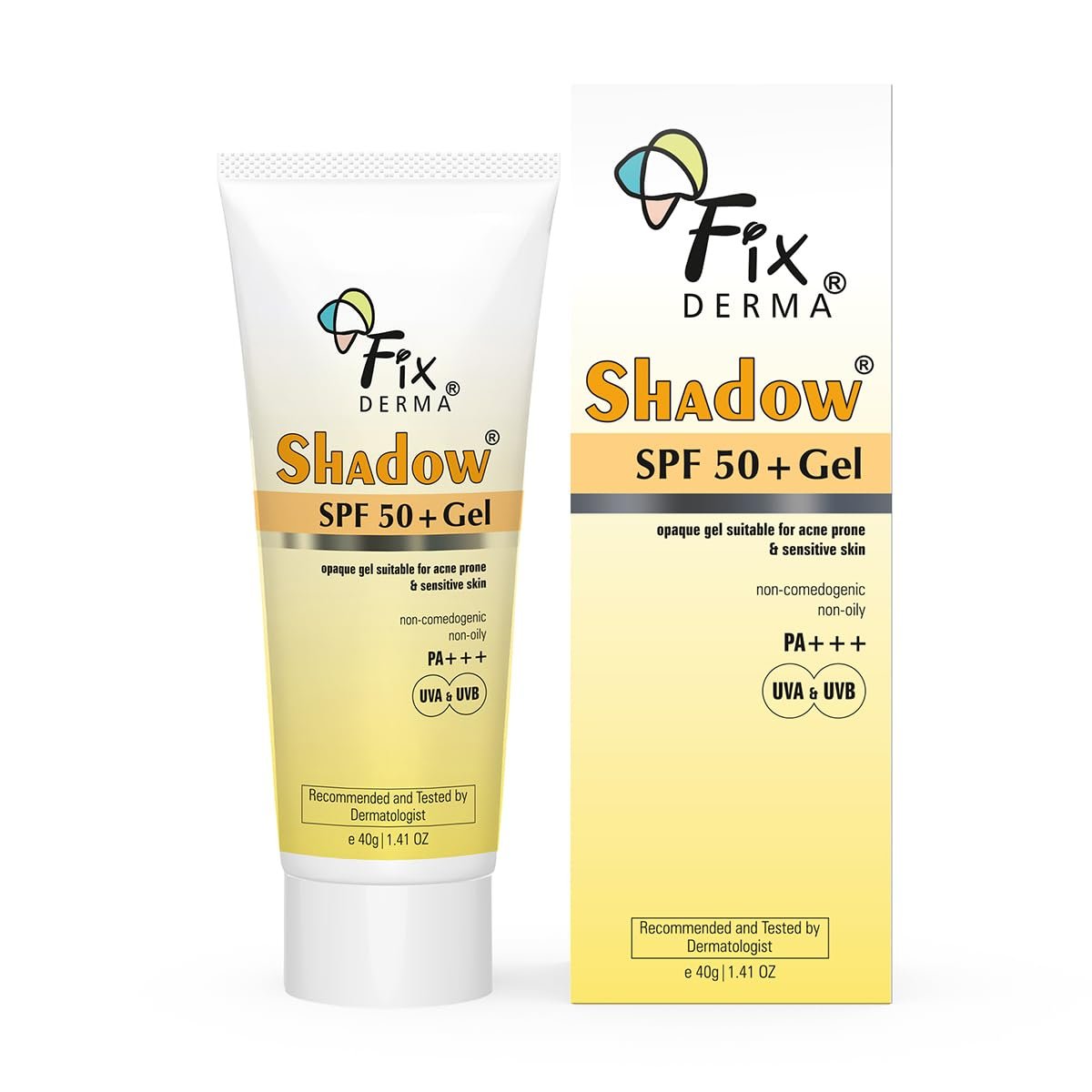
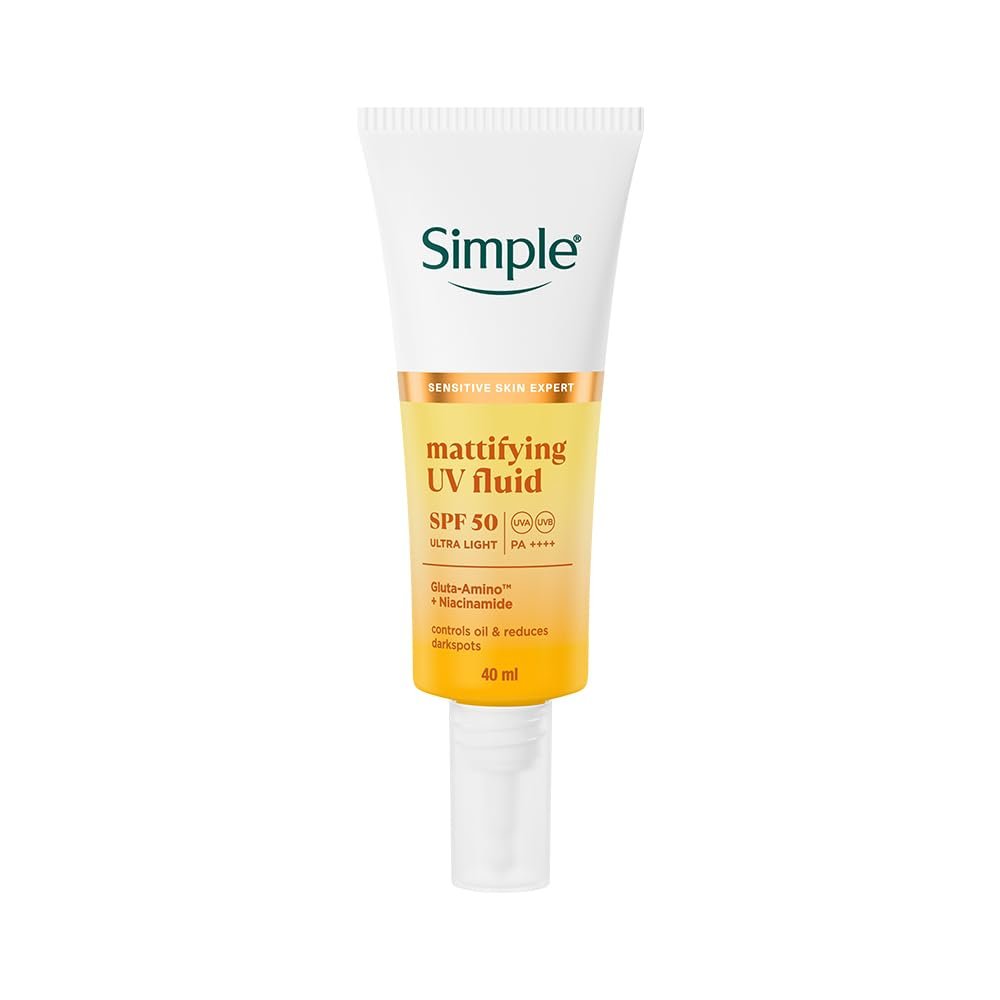
The top-ranked options are deliberately not five versions of the same formula. RE’ EQUIL stands out for its combination of SPF 50 PA++++, ultra-matte positioning and water- and sweat-resistance claims. The Derma Co takes a different route with a 1% hyaluronic-acid aqua-gel format designed around lightweight wear. Neutrogena Ultra Sheer adds a larger 80 g format with broad-spectrum and water-resistant positioning. Fixderma Shadow is the most explicitly targeted option in this group for oily, acne-prone and normal skin, while Bioderma Photoderm Aquafluide is the smallest and most compact premium-style fluid in the shortlist.
This is why the ranking should be read as a decision guide rather than a claim that every person should buy the number-one product. If an ultra-matte finish is not comfortable on your skin, the best overall pick may not be your personal best choice. Likewise, if you mainly want a lightweight gel, the aqua-gel options may be more relevant even when they appear lower in the overall order.
Who should prioritise which type?
- Oily or shine-prone skin: look first at dry-touch, matte or lightweight gel positioning.
- Acne-prone skin: a non-greasy or non-comedogenic positioning can be useful, while personal tolerability still matters.
- Dry skin: prioritise comfort and avoid forcing a very matte product if it makes your skin feel tight.
- Outdoor activity: give more weight to water- and sweat-resistance and to a formula you can reapply easily.
- Travel or handbags: a compact tube or fluid bottle can be more convenient than a larger everyday pack.
Common sunscreen buying mistakes
One common mistake is buying only by SPF number and ignoring UVA protection, texture and real-world use. Another is choosing a tiny premium bottle without considering how much sunscreen you actually need. It is also worth avoiding the assumption that “no white cast” or “matte” automatically means a formula will suit every skin type. Finally, do not reduce the amount you apply simply because a formula feels heavy; choosing a better-fitting texture is usually the more practical solution.
Frequently asked questions
Is SPF 50 necessary for everyday use?
SPF 50 is a useful high-protection option, especially in strong sun, but the label is only one part of effective sun protection. Consistent application, adequate quantity, UVA protection and reapplication when needed all matter.
What does PA++++ mean?
PA ratings indicate the stated level of UVA protection, with more plus signs generally representing a higher UVA protection category within that system. It is useful to consider the PA rating alongside SPF rather than treating either one in isolation.
Is gel sunscreen always better for oily skin?
No. Gel textures are often popular with oily skin because they can feel lighter, but finish and comfort vary by formula. A matte fluid, dry-touch lotion or lightweight cream may work equally well for some users.
Should I choose water-resistant sunscreen for daily office use?
Not necessarily. Water resistance becomes more important when you are sweating, exercising, swimming or spending longer periods outdoors. For mostly indoor routines, texture and comfort may be higher priorities.
Can sunscreen replace moisturiser?
Sometimes a sunscreen feels moisturising enough for a particular person, especially in warm or humid weather. Others prefer a separate moisturiser underneath. Adjust the routine according to your skin comfort without reducing the sunscreen itself.
Our conclusion
For the broadest combination of high stated protection and practical wear features, RE’ EQUIL Ultra Matte Dry Touch Sunscreen takes our top position. The Derma Co is the more obvious lightweight aqua-gel alternative, Neutrogena is a practical water-resistant everyday option in a larger pack, Fixderma is particularly relevant to oily and acne-prone routines, and Bioderma offers a compact premium fluid format. The right choice is the one whose protection profile and texture make consistent daily use realistic for you.