Bodylastics Foam Roller 45 x 15cm: A Practical Tool for Muscle Recovery and Mobility
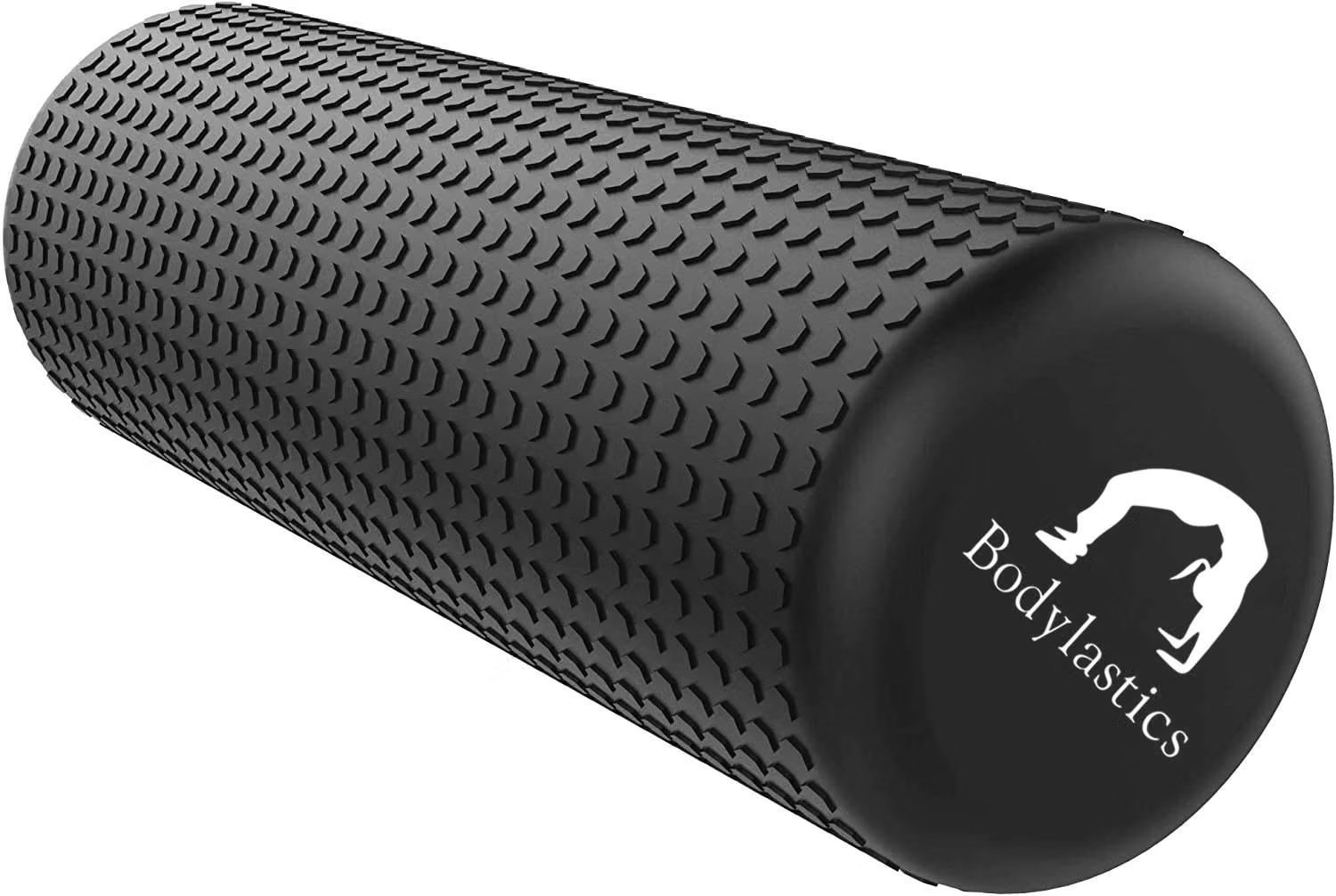
The Bodylastics Foam Roller 45 x 15cm is positioned for deep tissue massage and muscle recovery, with a straightforward EVA construction and practical dimensions. It’s a portable, no-fuss option for those prioritizing post-workout relief and flexibility.
Physical Glow Verdict
The Bodylastics Foam Roller 45 x 15cm offers a transparent, no-nonsense approach to muscle recovery and mobility support. Its EVA construction, portable size, and clear usage guidance make it a practical option for those prioritizing post-exercise relief. However, the lack of product-specific performance data means users should align expectations with general foam rolling benefits rather than unique claims. For readers seeking a straightforward, material-transparent foam roller for large muscle groups, this model delivers the essentials.
Foam rolling has become a mainstay in many fitness routines, offering a hands-on approach to muscle recovery and flexibility. The Bodylastics Foam Roller 45 x 15cm is positioned as a tool for individuals seeking relief from sore or tight muscles, especially in the context of pre- and post-exercise sessions. With its clear construction and practical design, it aims to deliver the essentials for those looking to support their mobility and recovery efforts.
What the Bodylastics Foam Roller Is Designed to Do
Bodylastics positions this foam roller as a solution for deep tissue massage, muscle recovery, and relief from sore muscles—particularly before and after exercise. The manufacturer highlights its intended benefits, including relaxing tight muscles, easing soreness, and supporting flexibility. According to the brand, the roller is also designed to help increase joint range of motion, decrease soft-tissue density, and potentially assist in injury prevention and inflammation reduction. These claims reflect common uses for foam rollers in fitness and rehabilitation settings, where self-massage tools are often used to target large muscle groups such as thighs, calves, hamstrings, glutes, back, and shoulders.
Specifications and Material Choices
The Bodylastics Foam Roller measures 45 x 15 cm and weighs 600 grams, making it compact enough for home use or to bring along to the gym. Its construction from ethylene vinyl acetate (EVA) is fully disclosed, offering transparency for those concerned about materials. EVA is a widely used material in foam rollers, valued for its balance of firmness and cushioning. The roller is described as lightweight and portable, with no installation or assembly required—attributes that may appeal to users who want a straightforward, grab-and-go recovery tool.
How to Use It Safely and Effectively
The supplied usage guidance emphasizes starting with gentle stretching or light movement before foam rolling. To use, place the roller under the desired muscle group and apply gentle pressure using body weight, rolling slowly (about 2–3 cm per second) for 20–60 seconds per area. The manufacturer and usage notes both stress the importance of avoiding rolling directly over joints, bones, the neck, or lower spine, and advise against use on open wounds, bruises, or inflamed areas. Foam rolling may cause some discomfort, but sharp or severe pain is a red flag—users are urged to increase pressure gradually and consult a doctor if they have osteoporosis, fractures, severe injuries, or circulation disorders.
Who Might Benefit Most
According to the supplied suitability data, this roller is intended for individuals seeking muscle recovery, deep tissue massage, or relief from sore or tight muscles. It is also positioned for those interested in improving flexibility, addressing muscle issues, or supporting injury prevention. While the manufacturer claims potential benefits for inflammation and soft-tissue density, there is no product-specific performance evidence supplied to independently verify these outcomes. The roller’s dimensions and material suggest it is best suited for targeting larger muscle groups rather than pinpointing very small or intricate areas.
Practical Considerations and Limitations
The Bodylastics Foam Roller’s straightforward design and material transparency are practical strengths, but there are clear limitations to consider. The absence of product-specific performance evidence means expectations should be grounded in general knowledge about foam rolling rather than promises of unique results. Safety warnings are explicit: avoid direct use on joints, bones, the lower spine, open wounds, or inflamed areas. The roller is not recommended for those with certain medical conditions unless cleared by a doctor. While the manufacturer lists a range of potential benefits, these are not independently substantiated for this specific product.
Pros
- Transparent, fully disclosed EVA construction
- Lightweight and portable design (600 grams, 45 x 15 cm)
- Positioned for muscle recovery, deep tissue massage, and sore muscle relief
- No installation or assembly required
Cons
- Should not be used directly over joints, bones, or lower back spine
- Not suitable for use on open wounds, bruises, or inflamed areas
Frequently asked questions
- What material is the Bodylastics Foam Roller made from?
- It is made from ethylene vinyl acetate (EVA), a commonly used foam material.
- Which muscle groups is this foam roller intended to target?
- It is positioned for use on large muscle groups such as thighs, calves, hamstrings, glutes, back, and shoulders.
- Are there any safety precautions to consider?
- Yes. Avoid rolling directly over joints, bones, the neck, or lower spine, and do not use on open wounds, bruises, or inflamed areas.