Strauss Grid Foam Roller 33cm Black: Ergonomic Design for Versatile Recovery
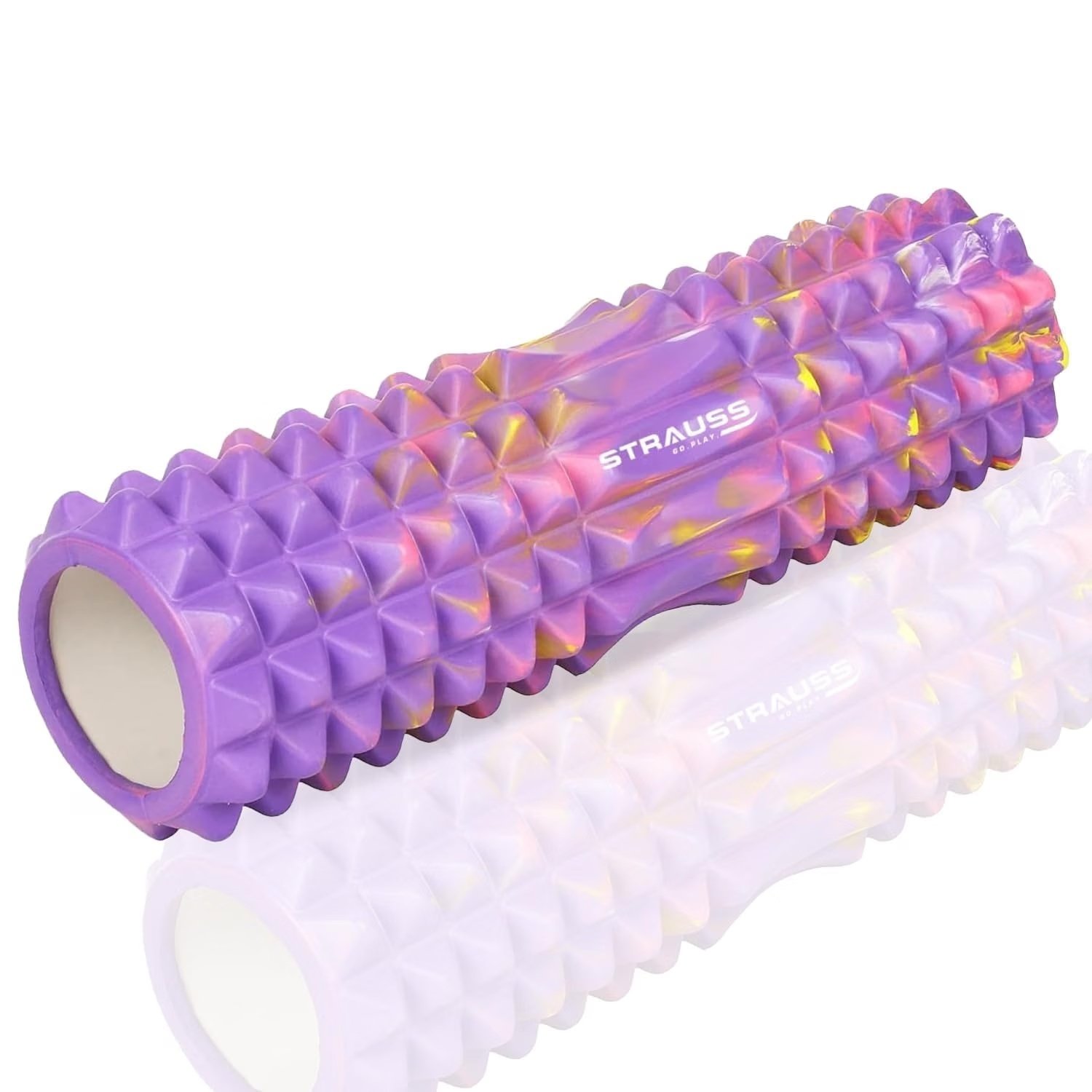
The Strauss Grid Foam Roller 33cm Black is positioned for a wide range of fitness and recovery routines, featuring an ergonomic grid surface designed to mimic a therapist’s touch.
Physical Glow Verdict
The Strauss Grid Foam Roller 33cm Black is positioned as a versatile, ergonomically designed tool for a range of fitness and recovery practices. Its grid surface and 3D massage zones are intended to mimic the feel of a therapist’s hands, but without independent performance evidence or specific suitability details, buyers should view these features as potential advantages.
Foam rolling has become a staple in many fitness and mobility routines, with tools like the Strauss Grid Foam Roller 33cm Black offering targeted support for muscle recovery, flexibility, and self-massage. Strauss positions this roller as a versatile aid for physical therapy, yoga, Pilates, and deep tissue massage, aiming to replicate the nuanced feel of a therapist’s hands.
What the Strauss Grid Foam Roller Is Designed For
Strauss positions this foam roller as a multifunctional tool for activities ranging from physical therapy and myofascial release to yoga, Pilates, and general exercise. According to the manufacturer, it is intended to assist with deep tissue massage and physiotherapy, making it relevant for those looking to enhance recovery, flexibility, or muscle maintenance within their fitness routines.
Key Features and Ergonomic Design
The roller measures 33 cm in length and features a black grid surface. Strauss highlights its ergonomic design, explicitly stating that it is crafted to replicate the hands of a therapist. The surface includes 3D massage zones—described as thumb, finger, and palm zones—intended to deliver a varied pressure experience across different muscle groups. While this design aims to emulate manual therapy, the effectiveness of such features is not independently verified in the supplied evidence.
Practical Considerations and Limitations
The grid surface and ergonomic zones may appeal to those seeking a more nuanced self-massage experience, especially for deep tissue work or targeted muscle relief. However, the evidence does not specify user suitability, recommended usage directions, or product-specific performance outcomes. Readers should be aware that while the roller is positioned for a broad range of activities, there is no supplied data confirming its effectiveness for any particular user group or concern.
General Context: The Role of Foam Rollers
Foam rollers are commonly used in fitness and rehabilitation settings to support myofascial release, muscle recovery, and flexibility. Grid-style rollers are designed to provide varying degrees of pressure, which can help users address different muscle needs. However, as with any self-massage tool, individual experiences may vary, and the absence of user-specific guidance or clinical data means expectations should remain measured.
Pros
- Ergonomic grid design aims to replicate therapist’s hands
- Intended for versatile use across physical therapy, yoga, Pilates, and exercise routines
- Features 3D massage zones for varied pressure application