How Often to Shampoo: Scalp Oil, Sweat and Product Buildup
Match washing frequency to your scalp condition, sweat levels and styling buildup rather than following a universal calendar.
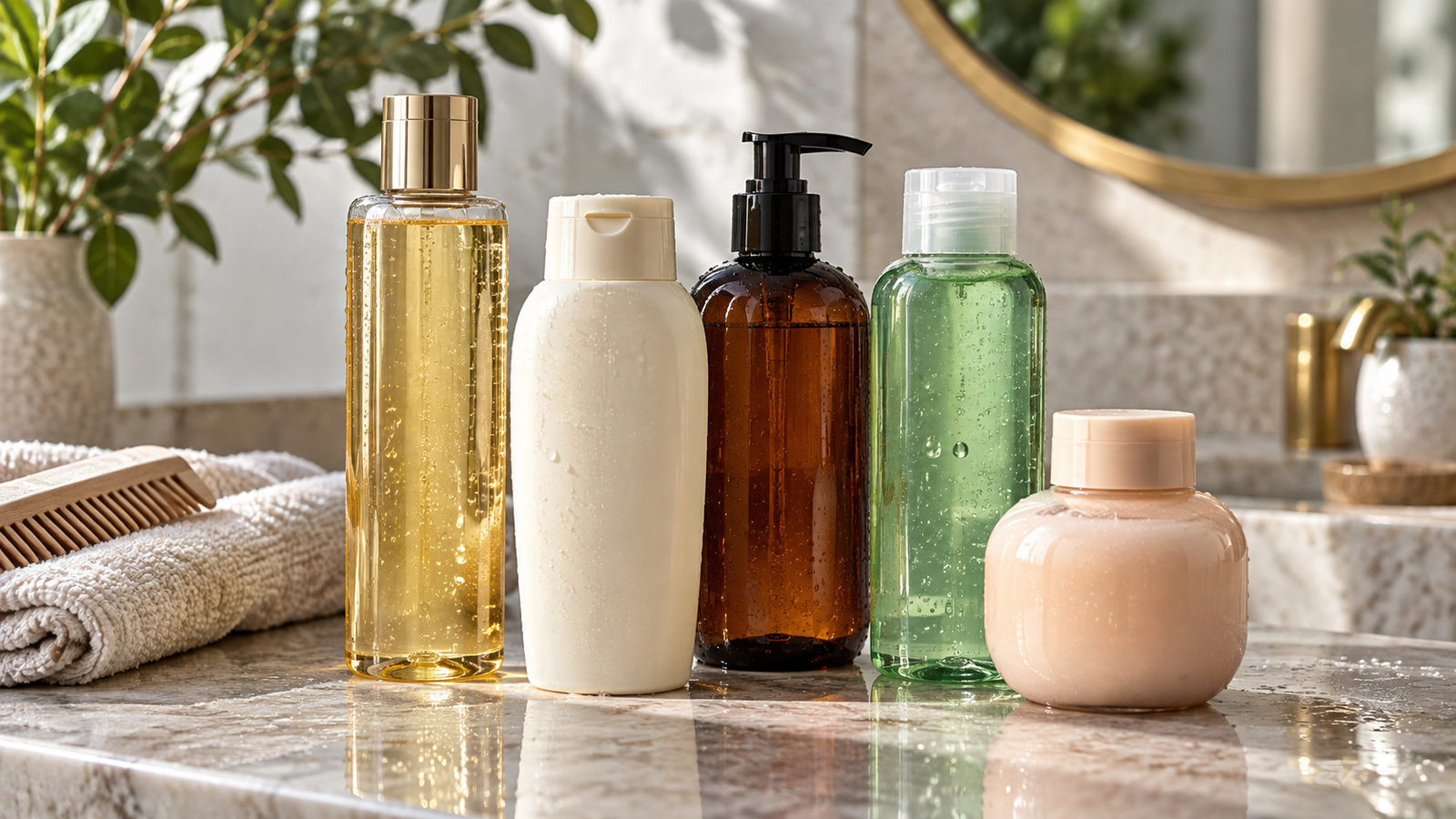
How often should you wash your hair? Every day, every alternate day, twice a week or only when it starts looking oily?
There is no single schedule that works for everyone.
Someone with an oily scalp who exercises daily may feel uncomfortable after skipping one wash. Another person with dry, curly hair may find that shampooing three times a week leaves their hair rough, tangled and difficult to manage.
The difference often comes down to scalp oil production, sweat, hair texture, styling products and the condition of the scalp itself.
A common mistake is treating shampoo frequency as a strict rule rather than adjusting it to individual needs.
The right shampoo schedule is the one that keeps your scalp reasonably clean and comfortable without unnecessarily drying or damaging your hair.
This Physical Glow guide explains how to decide when to shampoo, how oil and sweat affect your routine, whether daily washing is harmful and how to manage product buildup.
It also covers dandruff, dry hair, exercise routines, common shampooing mistakes and practical ways to choose a shampoo suited to your scalp.
1. Why Do We Need to Shampoo?
The scalp contains sebaceous glands that produce sebum, a natural oily substance.
Sebum helps lubricate the scalp and hair, but excess oil can contribute to a greasy appearance and collect alongside sweat, dead skin cells and product residue.
Throughout the day, your scalp may accumulate:
- Natural sebum.
- Sweat.
- Dead skin cells.
- Environmental dust and particles.
- Hair oils and leave-in conditioners.
- Styling waxes, gels and sprays.
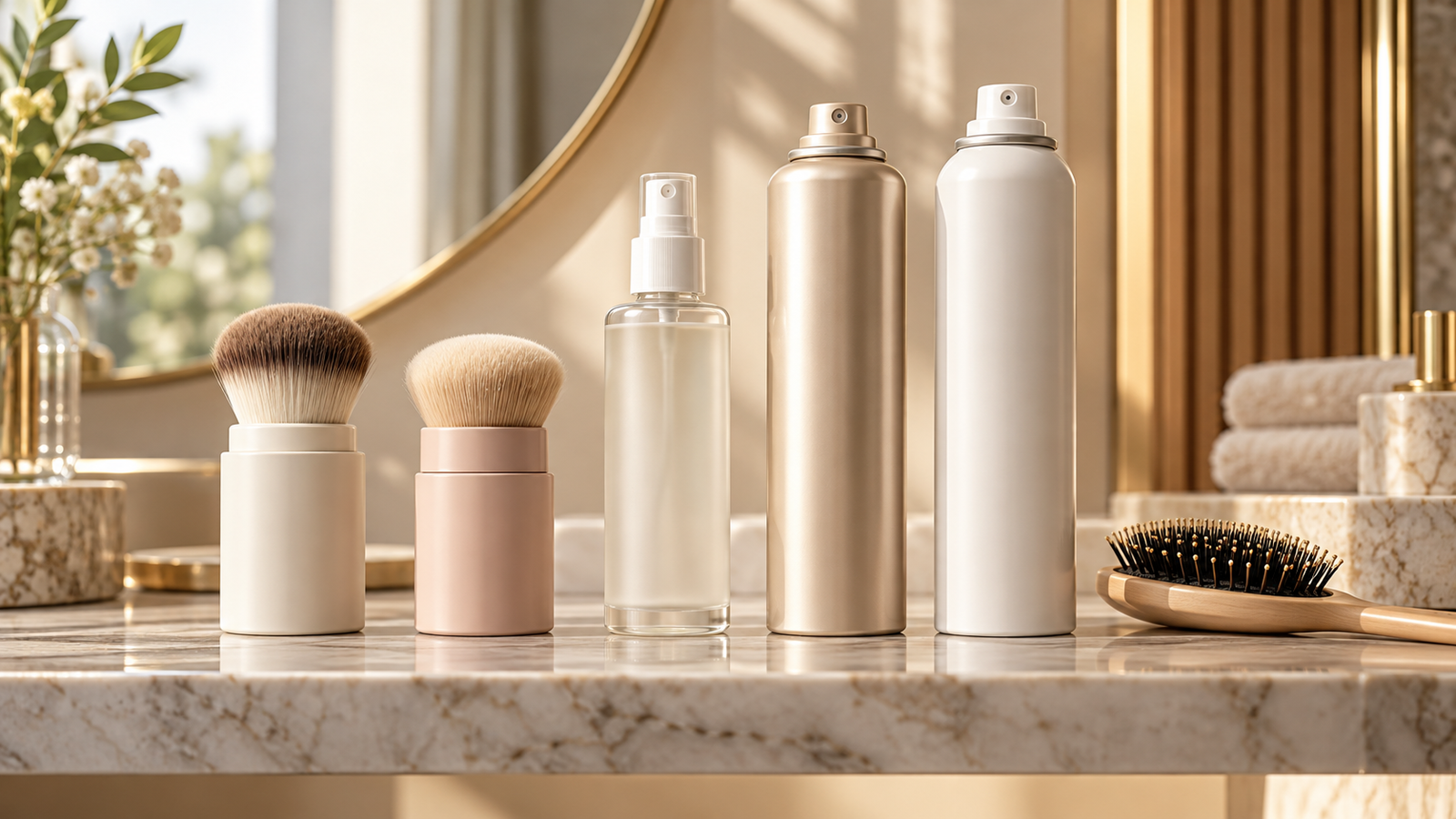
- Residue from dry shampoo.
Shampoo contains cleansing agents known as surfactants.
These help lift oils and other materials so they can be washed away with water.
However, shampoos differ in cleansing strength, formulation and intended purpose.
A product designed for frequent gentle washing may behave differently from a strong clarifying shampoo.
The goal is not to remove every trace of natural oil.
It is to keep the scalp clean and comfortable while maintaining manageable hair.
2. What Determines How Often You Should Shampoo?
Several factors influence washing frequency.
| Factor | Why it matters | Possible effect on frequency |
|---|---|---|
| Scalp oiliness | Excess sebum can make roots greasy | May require more frequent washing |
| Sweat | Exercise and hot weather increase scalp moisture | Washing may be useful after heavy sweating |
| Hair texture | Curly and coily hair may be more prone to dryness | Often benefits from less frequent shampooing |
| Hair thickness and density | Affect how oil distributes through the hair | Individual variation |
| Styling products | Gels, waxes and sprays can accumulate | May require more thorough or frequent cleansing |
| Scalp conditions | Dandruff and dermatitis may require specific treatment | Follow medical or product guidance |
| Chemical treatments | Colouring and bleaching can increase hair fragility | Gentler handling may be needed |
| Climate | Heat and humidity can influence sweat and oiliness | Schedule may change seasonally |
These factors often interact.
For example, someone with dry, curly hair may also exercise daily.
Their scalp may need regular cleansing even though the hair lengths are prone to dryness.
That is why scalp needs and hair-shaft needs should be considered separately.
3. Scalp Type vs Hair Type: Why the Difference Matters
Your scalp and hair are related, but they are not identical.
Scalp Type
Scalp type describes characteristics such as:
- Oil production.
- Dryness.
- Sensitivity.
- Flaking.
- Tendency toward irritation.
Hair Type
Hair type describes characteristics such as:
- Straight, wavy, curly or coily texture.
- Strand thickness.
- Density.
- Porosity.
- Chemical treatment history.
- Susceptibility to breakage.
Someone may have an oily scalp with dry hair ends.
Another person may have a relatively dry scalp but fine, straight hair.
Choosing shampoo based solely on whether hair looks dry or oily may miss the underlying issue.
Shampoo primarily cleanses the scalp, while conditioner generally helps improve the feel and manageability of hair lengths.
Understanding this distinction makes it easier to choose both shampoo frequency and product type.
4. How Often Should You Shampoo an Oily Scalp?
People with oily scalps often notice their roots becoming greasy relatively quickly.
This is influenced by individual sebum production, hair characteristics and environmental conditions.
Signs Your Scalp May Need More Frequent Cleansing
- Roots look visibly greasy.
- Hair feels weighed down.
- The scalp feels uncomfortable or oily.
- Styling products accumulate quickly.
- Hair loses volume because of oil buildup.
Some people with oily scalps find daily or alternate-day shampooing appropriate.
Others may wash less frequently and remain comfortable.
Is Daily Shampooing Harmful?
Not automatically.
The American Academy of Dermatology advises that people with straight hair and oily scalps may need to shampoo as often as every day.
However, the product should be appropriate for frequent use.
Daily washing with a harsh clarifying shampoo may be unnecessarily drying, especially for people with damaged hair.
What Kind of Shampoo Works?
Consider a shampoo that cleanses effectively without leaving the scalp irritated or the hair excessively rough.
A lightweight conditioner applied mainly to the lengths may help maintain softness without heavily coating the roots.
5. How Often Should You Shampoo Dry Hair?
Dry hair often needs a different approach.
Hair dryness may result from several factors, including natural texture, environmental exposure, heat styling and chemical processing.
Curly and coily hair can be especially prone to dryness because sebum may not spread evenly along the hair shaft.
Does Dry Hair Need Less Washing?
Often, but not always.
A person with dry hair who produces little scalp oil may find that shampooing less frequently improves manageability.
However, a dry hair shaft does not automatically mean the scalp is clean.
Sweat, product residue or scalp conditions may still require regular washing.
A Practical Starting Point
Some people with dry hair prefer washing once or twice weekly, while others need a different schedule.
There is no universal minimum or maximum suitable for all dry hair types.
Evaluate whether the scalp remains comfortable and whether washing causes excessive dryness.
What Helps?
- Choose a suitable gentle shampoo.
- Use conditioner after cleansing.
- Reduce unnecessary high-temperature styling.
- Avoid vigorous towel rubbing.
- Consider leave-in conditioning where appropriate.
If the scalp itself is extremely dry, itchy or inflamed, the issue may require more than changing shampoo frequency.
6. Shampoo Frequency for Different Hair Textures
Hair texture can influence how often shampooing feels necessary and how well hair tolerates cleansing.
| Hair texture | Typical consideration | Practical guidance |
|---|---|---|
| Fine, straight | Oil may become noticeable quickly | Some people prefer frequent gentle washing |
| Thick, straight | Oil distribution and density vary | Adjust to scalp oiliness |
| Wavy | Can have oily roots and dry ends | Balance scalp cleansing with conditioning |
| Curly | Lengths may become dry more easily | Avoid unnecessary stripping |
| Coily | Often more susceptible to dryness and breakage | Gentle cleansing and careful conditioning are important |
| Chemically treated | Hair may be more fragile or porous | Use a gentle routine and minimize friction |
These are broad tendencies, not rules.
Two people with similar-looking hair may need very different washing schedules.
Why Hair Texture Matters
Sebum tends to distribute along straight hair more readily than along tightly curled hair.
This can make some straight hair appear oily quickly while curly hair lengths remain relatively dry.
However, scalp hygiene still matters for all hair textures.
The appropriate schedule should support both scalp comfort and hair condition.
7. Should You Shampoo After Every Workout?
Exercise introduces another variable: sweat.
During physical activity, sweat helps regulate body temperature.
A sweaty scalp may feel damp, itchy or uncomfortable.
However, sweat is not the same as sebum, and every brief workout does not automatically require a full shampoo.
After Light Exercise
If you performed a short workout with minimal sweating and your scalp feels comfortable, you may not need to shampoo immediately.
After Heavy Sweating
If your scalp becomes very sweaty, cleansing may improve comfort and remove accumulated material.
This can be especially relevant after outdoor workouts, hot yoga or prolonged exercise.
If You Exercise Every Day
You may need a shampoo suitable for frequent use.
Another option, depending on scalp condition and hair texture, is adjusting washing frequency while using appropriate rinsing and conditioning methods.
However, water alone may not adequately remove significant sebum or styling-product buildup.
What About Leaving Sweat in Your Hair?
Occasional sweat is not necessarily harmful.
But persistent moisture, accumulated oil and an uncomfortable scalp can make cleansing more appropriate.
If workouts repeatedly trigger itching or flaking, assess whether a scalp condition is contributing.
8. Does Shampooing Every Day Cause Hair Loss?
This is one of the most common concerns about hair washing.
Ordinary shampooing does not automatically cause pathological hair loss.
Hair naturally progresses through growth and shedding cycles.
It is normal to lose some hair each day.
When washing, strands that have already entered the shedding phase may become more noticeable.
Why You May See More Hair in the Shower
Someone who shampoos every fourth day may notice more loose strands during that wash than someone who shampoos daily.
This does not necessarily mean washing caused the shedding.
Can Washing Cause Hair Breakage?
Yes, rough handling can contribute to mechanical breakage.
Examples include:
- Aggressive scrubbing.
- Pulling tangled wet hair.
- Rough towel drying.
- Excessive brushing.
- Repeated heat styling.
Hair breakage and hair shedding from the follicle are not the same process.
When to Seek Medical Advice
Consult a dermatologist if you notice:
- Sudden or substantial shedding.
- Bald patches.
- Progressive thinning.
- Scalp inflammation.
- Pain or scarring.
- Significant changes in hair density.
Changing shampoo frequency alone may not address these concerns.
9. What Is Product Buildup?
Product buildup refers to residue left on the hair or scalp from products and environmental materials.
Common contributors include:
- Styling waxes.
- Hair gels.
- Hairsprays.
- Dry shampoo.
- Leave-in conditioners.
- Silicone-containing styling products.
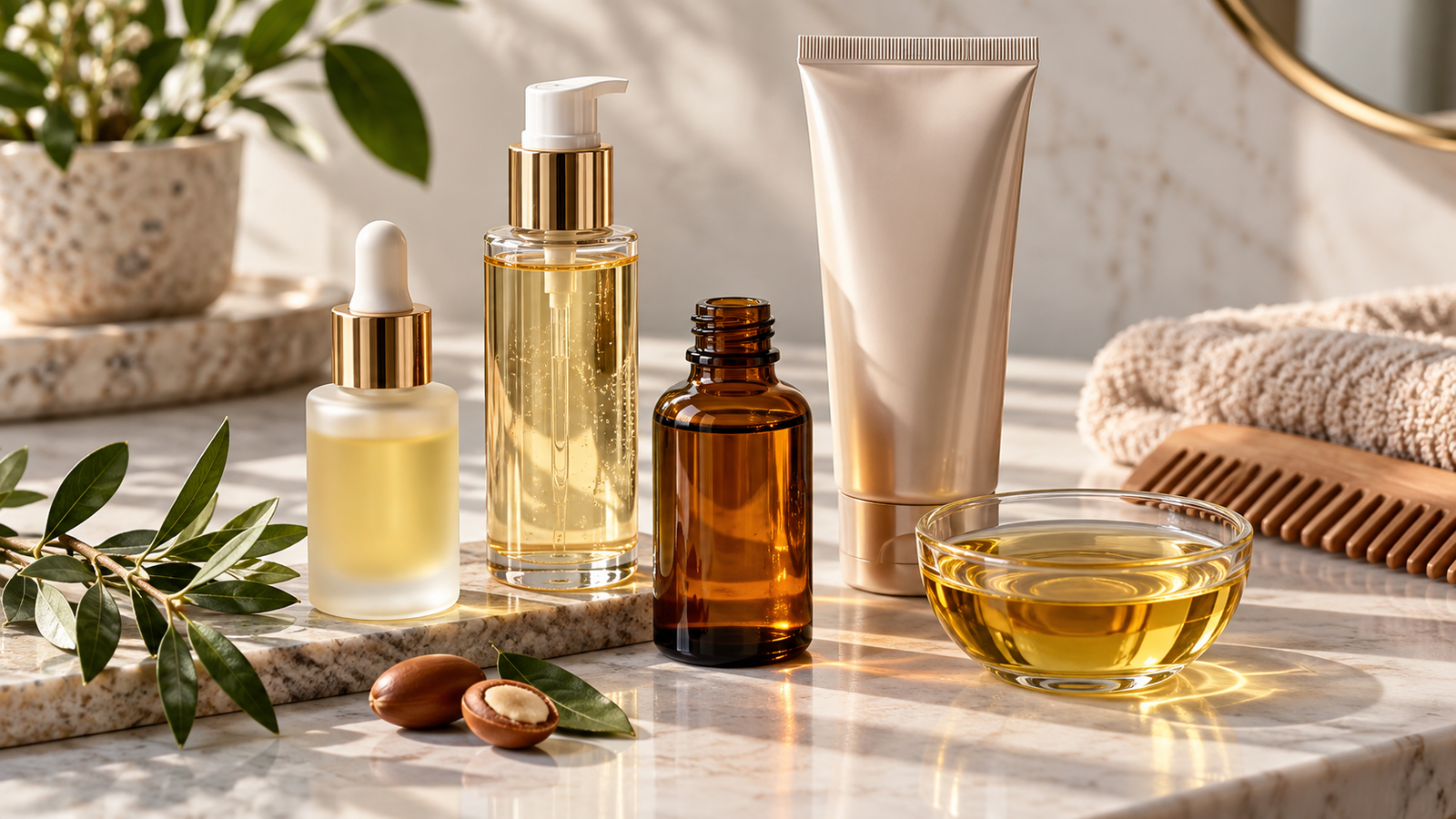
- Heavy hair oils.
- Other film-forming products.
However, the presence of an ingredient such as silicone does not automatically mean a product causes problematic buildup.
Formulation, quantity, compatibility and washing habits matter.
Signs of Possible Buildup
You may notice:
- Hair feels unusually coated.
- Roots become heavy or flat.
- Hair is difficult to style.
- Products seem to sit on the hair surface.
- Hair appears dull despite conditioning.
- The scalp feels uncomfortable.
These signs are not specific diagnoses.
Similar symptoms can arise from scalp conditions, hard water or unsuitable hair products.
10. How Often Should You Use a Clarifying Shampoo?
Clarifying shampoos are generally designed to remove stubborn residue more effectively than some ordinary shampoos.
They may be useful for people who regularly use heavy styling products or experience substantial buildup.
However, a clarifying shampoo is not automatically necessary for everyone.
Can You Clarify Every Week?
Some people tolerate periodic clarifying washes.
Others find them excessively drying.
The frequency depends on the formulation, product buildup and hair condition.
When Clarifying May Be Useful
Consider it if:
- You frequently use waxes and sprays.
- Your usual shampoo leaves substantial residue.
- Hair feels coated despite washing.
- Your hairstyling routine involves multiple leave-in products.
When to Be Cautious
Strong cleansing may be uncomfortable for dry, damaged, colour-treated or chemically processed hair.
Do not use a clarifying shampoo simply because an online routine recommends weekly detoxing.
Hair does not need detoxification in the medical sense.
It needs suitable cleansing.
11. Can You Train Your Scalp to Produce Less Oil?
A popular claim suggests that washing less frequently will train the scalp to reduce sebum production.
There is limited evidence that simply delaying shampooing causes sebaceous glands to permanently reduce their natural oil production.
Sebum production is influenced by biological factors, including hormones and individual physiology.
What Can Change?
Your perception of oiliness may change as you adjust styling habits.
You may also become more comfortable with slightly oily roots.
But that is not the same as proving that the scalp has biologically learned to produce less oil.
Should You Force Longer Gaps Between Washes?
Not if your scalp becomes uncomfortable, excessively greasy or irritated.
A schedule that works for someone else may not suit you.
Cleanse according to your needs rather than trying to reach an arbitrary number of days without shampoo.
12. Does Shampooing Too Frequently Dry Out Hair?
It can, especially when the shampoo is poorly matched to the hair or used alongside damaging styling practices.
Hair shafts do not regenerate after leaving the scalp.
Repeated exposure to aggressive cleansing, high heat and mechanical friction can contribute to cuticle damage.
Signs Your Routine May Be Too Drying
- Hair becomes unusually rough.
- Ends tangle easily.
- Hair breaks during brushing.
- Frizz increases.
- The scalp feels tight or irritated.
What Can Help?
Choose a milder shampoo.
Condition the lengths appropriately.
Reduce friction and high-temperature styling.
Consider whether you need to wash less often, particularly if your scalp remains comfortable between washes.
However, do not ignore persistent scalp inflammation simply to protect the hair lengths.
13. How Does Dandruff Affect Shampoo Frequency?
Dandruff is not simply the result of poor hygiene.
It is commonly associated with scalp inflammation and biological factors, including responses to Malassezia yeast.
Some people also experience seborrhoeic dermatitis, which can involve more significant inflammation and scaling.
Should You Shampoo More Often?
The appropriate schedule depends on the condition and treatment.
Some dandruff shampoos are used several times weekly initially, followed by a maintenance schedule.
Other formulations have different instructions.
Common Anti-Dandruff Ingredients
Depending on the market and product, shampoos may contain ingredients such as:
- Ketoconazole.
- Zinc pyrithione.
- Selenium sulfide.
- Salicylic acid.
- Other antifungal or keratolytic ingredients.
These products are not interchangeable, and availability or regulatory status varies.
Important Consideration
Follow the specific medicated shampoo’s instructions.
Some require the product to remain on the scalp for a prescribed contact time before rinsing.
If dandruff persists, becomes severe or is accompanied by substantial redness, pain, crusting or hair loss, seek dermatological advice.
14. Dry Scalp vs Dandruff: Why You Should Not Treat Them Identically
Flaking can occur for different reasons.
A dry scalp may be associated with low skin moisture, irritation or environmental factors.
Dandruff and seborrhoeic dermatitis involve a different set of contributing factors.
| Feature | Dry scalp | Dandruff or seborrhoeic dermatitis |
|---|---|---|
| Main concern | Dryness and discomfort | Flaking associated with scalp inflammation |
| Flake appearance | May appear small and dry | May vary from fine flakes to larger scales |
| Oiliness | Scalp may feel dry | Can occur with oily or less oily scalp |
| Itching | Possible | Common |
| Treatment approach | Gentle scalp care and appropriate moisturization | May require targeted medicated shampoo |
These features overlap and cannot reliably establish a diagnosis by themselves.
For example, psoriasis, eczema and contact dermatitis can also produce scaling.
Why Frequency Alone May Not Solve the Problem
Someone with dandruff may need a targeted antifungal shampoo rather than simply more frequent ordinary washing.
Someone with irritated, dry scalp may find aggressive anti-dandruff products uncomfortable.
If symptoms persist, identify the underlying condition rather than endlessly changing shampoo schedules.
15. How Much Shampoo Should You Use?
There is no universal quantity that works for every hair length and shampoo formulation.
The amount needed depends on:
- Hair density.
- Scalp size.
- Product concentration.
- Oiliness.
- Styling-product residue.
- Shampoo texture.
- Manufacturer instructions.
Where Should Shampoo Go?
For ordinary cleansing, focus on the scalp.
As shampoo is rinsed away, the lather can help clean the hair lengths.
Repeatedly rubbing shampoo through long, dry ends may be unnecessarily harsh.
Does More Foam Mean Better Cleaning?
Not necessarily.
Foam is influenced by the surfactant system and formulation.
A shampoo that produces less foam can still clean effectively.
Should You Dilute Shampoo?
Some people dilute shampoo to make distribution easier, but this is not necessary for every product.
Do not dilute an entire bottle with water, because changing the product may affect preservation and stability.
Follow the manufacturer’s instructions.
16. Should You Shampoo Twice in One Shower?
Double shampooing means washing with shampoo, rinsing and then repeating.
Some people find it useful after heavy oil or styling-product buildup.
But it is not mandatory.
When a Second Wash May Help
- Heavy pre-shampoo oil application.
- Substantial wax or hairspray residue.
- A scalp that remains greasy after the first wash.
- Particular product instructions.
When One Wash Is Enough
If your scalp feels clean and comfortable after one thorough wash, a second application may provide little additional benefit.
Can Double Shampooing Cause Dryness?
Potentially.
Repeated exposure to cleansing agents may be uncomfortable for certain scalp or hair types.
Choose based on actual need rather than assuming two washes are always more effective.
17. The Role of Conditioner in Shampoo Frequency
Conditioner helps improve the hair’s feel and manageability.
It can reduce friction, improve detangling and help hair feel smoother.
Should You Condition Every Time You Shampoo?
For many people, conditioning after shampooing is useful.
The American Academy of Dermatology recommends using conditioner after washing and adapting application to hair characteristics.
Where Should Conditioner Go?
For fine or straight hair, focusing on the mid-lengths and ends may prevent an overly heavy feeling at the roots.
People with dry or curly hair may benefit from broader application, depending on the product.
Does Conditioner Make Hair Oily?
A product may feel heavy if applied excessively or if its formulation is not suited to the hair.
However, conditioner itself does not necessarily increase scalp sebum production.
What About Hair Masks?
Hair masks can provide additional conditioning in some routines.
They are not universally required and should not replace appropriate cleansing.
18. Shampooing in Hot and Humid Indian Weather
Climate can affect hair-washing preferences.
In hot and humid conditions, sweating may increase, and the scalp may feel uncomfortable more quickly.
During Summer
Some people prefer more frequent washing because of:
- Sweat.
- Oiliness.
- Dust.
- Outdoor commuting.
- Exercise.
A suitable gentle shampoo can make regular cleansing more comfortable.
During Monsoon
Humidity can influence frizz and styling behaviour.
However, increased frizz does not necessarily mean the scalp needs stronger cleansing.
Consider conditioning and humidity-resistant styling rather than automatically increasing shampoo frequency.
During Winter
Some people experience greater dryness or irritation.
A milder shampoo and appropriate conditioning may be more comfortable.
What About Air Pollution?
Environmental particles can accumulate on the hair and scalp.
If you commute through dusty or polluted environments, washing frequency may need adjustment.
However, pollution exposure does not automatically require daily clarifying shampoo.
19. How Often Should You Wash Hair After Applying Oil?
Pre-shampoo hair oiling is common in India.
Some people apply coconut oil or other oils to the hair lengths, while others massage oil into the scalp.
Does Oiling Require Shampoo?
If you apply substantial oil and want to remove it, shampoo is usually the most practical method.
Water alone is generally not effective at removing significant amounts of oil.
Should You Shampoo Twice?
It depends on how much oil you applied and how well the first wash removes it.
Heavy oil application may require more thorough cleansing.
However, excessive washing can also leave hair dry.
Is Overnight Scalp Oiling Necessary?
No.
There is no universal requirement to leave oil on the scalp overnight.
For people with certain scalp conditions, heavy oiling may be uncomfortable or complicate management.
Does Oiling Replace Conditioner?
Not necessarily.
Hair oils and conditioners can affect the hair in different ways.
A suitable conditioner may still be beneficial after shampooing.
20. Choosing a Shampoo Based on Your Main Need
The right shampoo depends on what you want it to accomplish.
Find your shampoo priorityMy roots get greasy quicklyMy hair becomes dry or rough after washingI have persistent flaking or itchingMy hair feels coated with styling products
Focus on effective, comfortable scalp cleansing
Consider a shampoo designed for regular use that removes excess sebum without leaving the scalp irritated. Wash as often as needed for comfort.This tool offers general product-selection guidance, not a diagnosis of scalp conditions.
What to Compare Before Buying
| Feature | Why it matters |
|---|---|
| Cleansing system | Influences how the shampoo removes oil and residue |
| Intended use | Daily, clarifying, anti-dandruff or other specific purpose |
| Active ingredients | Particularly relevant for medicated shampoos |
| Conditioning ingredients | Affect softness and manageability |
| Fragrance | May matter for fragrance-sensitive users |
| Usage directions | Important for frequency and contact time |
| Quantity | Helps compare cost per wash |
| Price | Should fit your long-term routine |
| Scalp tolerance | More important than marketing terminology |
Are Expensive Shampoos Better?
Not automatically.
A premium shampoo may offer a particular texture, fragrance or conditioning system.
However, a more affordable product may clean the scalp effectively and suit your hair just as well.
Evaluate performance and tolerance rather than assuming price determines quality.
For product comparisons, explore Physical Glow’s Best Shampoos in India: Top 5 for Different Hair and Scalp Needs.
That guide compares individual shampoo options for different hair and scalp concerns. This educational article helps determine how frequently you may need to use them.
21. A Seven-Day Shampoo Frequency Experiment
If you are uncertain whether you wash too often or not often enough, you can review your routine over a week.
This is a practical observation exercise, not a clinical test.
Plan your weekly wash days
Select the days you expect to shampoo. Adjust according to oiliness, workouts, comfort and any treatment instructions.
MonWash
TueRest
WedRest
ThuWash
FriRest
SatRest
SunRest
2 planned shampoo days this week Reset exampleThere is no universally correct number of weekly washes. A daily schedule may suit some oily scalps, while less frequent cleansing may suit some dry or curly hair. Medicated shampoos should follow their specific instructions.
What Should You Observe?
During the week, note:
- How quickly the roots become oily.
- Whether the scalp feels itchy.
- Whether hair becomes rough after shampooing.
- Whether styling products accumulate.
- How your hair responds to conditioner.
- Whether workout days affect comfort.
Do not force a fixed wash schedule if your scalp becomes uncomfortable.
If significant irritation or scaling occurs, seek medical guidance instead of repeatedly experimenting.
22. Common Shampooing Mistakes
Mistake 1: Following a Fixed Twice-Weekly Rule
Some people need more frequent cleansing.
Others may wash less often.
There is no universal schedule.
Mistake 2: Using a Strong Clarifying Shampoo Every Day
Clarifying products may be unnecessarily aggressive for frequent use, depending on the formula.
Mistake 3: Applying Shampoo Only to Hair Ends
Shampoo should generally focus on cleansing the scalp.
Mistake 4: Scrubbing the Scalp With Fingernails
Aggressive scratching may irritate the scalp.
Use fingertips and gentle pressure.
Mistake 5: Using Excessively Hot Water
Very hot water may increase dryness and discomfort.
Lukewarm water is generally preferable.
Mistake 6: Skipping Conditioner Because the Scalp Is Oily
Oily roots can coexist with dry hair lengths.
Conditioning the lengths may still be useful.
Mistake 7: Assuming More Foam Means Better Shampoo
Foam volume does not directly establish cleansing quality.
Mistake 8: Delaying Washing to Train Oil Production
Simply washing less often does not reliably change the biological rate of sebum production.
Mistake 9: Using Dry Shampoo as a Permanent Replacement
Dry shampoo can help absorb oil temporarily but does not replace normal cleansing indefinitely.
Mistake 10: Treating Persistent Dandruff With Ordinary Shampoo Alone
Some scalp conditions require targeted treatment.
Mistake 11: Roughly Towel-Drying Wet Hair
Wet hair may be vulnerable to mechanical damage.
Blot gently rather than rubbing aggressively.
Mistake 12: Changing Shampoos Constantly
Frequent switching can make it difficult to identify whether a product suits your scalp.
23. Frequently Asked Questions
Is it okay to shampoo every day?
Yes, for some people. Daily shampooing may suit oily scalps or people who need frequent cleansing, provided the shampoo is appropriately formulated and tolerated.
Is shampooing twice a week enough?
It may be enough for some hair and scalp types, but others require more frequent washing.
How often should someone with oily hair shampoo?
Some people with oily scalps wash daily or every alternate day. Choose frequency based on oiliness and comfort.
How often should someone with dry hair shampoo?
Less frequent washing may be comfortable, but scalp oil, sweat, product use and existing conditions still matter.
Should I wash my hair after every workout?
Not necessarily after every light workout. Heavy sweating or scalp discomfort may make washing more useful.
Does daily shampooing cause hair loss?
Ordinary shampooing does not automatically cause pathological hair loss. Excessive friction and rough handling can contribute to hair breakage.
Why do I lose more hair on shampoo day?
Loose strands may accumulate between washes and become visible during cleansing. Sudden or substantial shedding should be medically assessed.
Can I train my hair to become less oily?
There is limited evidence that delaying shampooing permanently reduces the scalp’s natural sebum production.
Should I shampoo twice in one shower?
A second wash may help remove heavy oil or styling residue, but it is unnecessary if the first wash provides adequate cleansing.
Is clarifying shampoo necessary?
Not for everyone. It may be useful when significant product buildup is present.
How often should I use clarifying shampoo?
Follow the product instructions and adjust according to buildup and hair tolerance. There is no universal weekly requirement.
Can shampoo remove hair oil completely?
A suitable shampoo can remove substantial oil, but very heavy application may require more thorough washing.
Is dry shampoo safe for everyday use?
Dry shampoo can be used as directed for temporary oil absorption. However, repeated use without proper cleansing may contribute to buildup or irritation.
Should curly hair be washed less often?
Many people with curly or coily hair benefit from less frequent shampooing because the lengths may be prone to dryness. Individual scalp needs still matter.
Can oily scalp and dry hair occur together?
Yes. Scalp sebum production and hair-shaft dryness are different characteristics.
Is conditioner necessary after every shampoo?
Conditioner is beneficial for many hair types because it improves manageability and reduces friction. Application can be adjusted according to hair needs.
Does shampooing cause dandruff?
Dandruff has several biological contributing factors. However, an unsuitable product or aggressive cleansing can cause irritation or dryness that may resemble or worsen flaking.
Should dandruff shampoo be used daily?
Not necessarily. Follow the medicated product’s instructions or a dermatologist’s treatment plan.
Can washing less often make dandruff worse?
For some people with dandruff or seborrhoeic dermatitis, inadequate cleansing may contribute to discomfort or scale accumulation. The correct schedule depends on the condition and treatment.
Should I use shampoo during monsoon season more frequently?
You may prefer more frequent washing if humidity and sweating increase scalp discomfort. Adjust to your needs.
Is sulfate-free shampoo always gentler?
No. The overall surfactant system and complete formulation determine tolerability. Sulfate-free does not automatically mean irritation-free.
Can I wash my hair with water only?
Water can remove some sweat and water-soluble materials but may not adequately remove significant sebum or styling residue.
How do I know whether my shampoo is too harsh?
Persistent scalp tightness, itching, irritation or unusually rough hair after washing may suggest the product or routine needs reassessment.
When should I see a dermatologist?
Seek assessment for persistent severe itching, substantial scaling, redness, pain, scalp sores, patchy hair loss or unexplained progressive thinning.
24. Final Verdict: Wash According to Scalp Needs, Not a Universal Calendar
The best shampoo schedule depends on how quickly your scalp becomes oily, how much you sweat, which styling products you use and how your hair tolerates cleansing.
For some people, daily shampooing is entirely reasonable.
For others, washing twice weekly or following a less frequent schedule may be more comfortable.
Neither approach is automatically healthier.
The key is to recognize the difference between scalp cleanliness and hair dryness.
An oily scalp may need regular cleansing even when the hair ends require extra conditioning.
Likewise, a dry scalp may benefit from gentler products rather than simply delaying every wash.
If you exercise frequently, use heavy styling products or live in a hot and humid environment, your routine may need to change.
If you experience persistent dandruff, scalp inflammation or unexplained hair loss, changing shampoo frequency alone may not be enough.
Choose a shampoo that suits your scalp, wash as often as necessary for comfort and protect the hair lengths with appropriate conditioning and gentle handling.
A sustainable haircare routine does not need a complicated calendar. It needs the right balance between effective cleansing and avoiding unnecessary dryness.
Editorial References and Further Reading
- American Academy of Dermatology — Tips for Healthy Hair
- American Academy of Dermatology — Scalp Care Resources
- DermNet — Seborrhoeic Dermatitis
- DermNet — Hair Shaft Disorders
Physical Glow Editorial Note: This article provides general haircare education and does not replace medical advice. Persistent scalp inflammation, significant flaking, sudden hair shedding and progressive hair loss should be assessed by a qualified healthcare professional. Medicated shampoo use should follow its product instructions and any clinician recommendations.