How to Audit a Salon Haircare Kit Before Adding It to Your Routine
Professional haircare sets can include cleanser, conditioner, leave-in spray and finishing serum. Use this practical checklist to avoid buying overlapping steps.
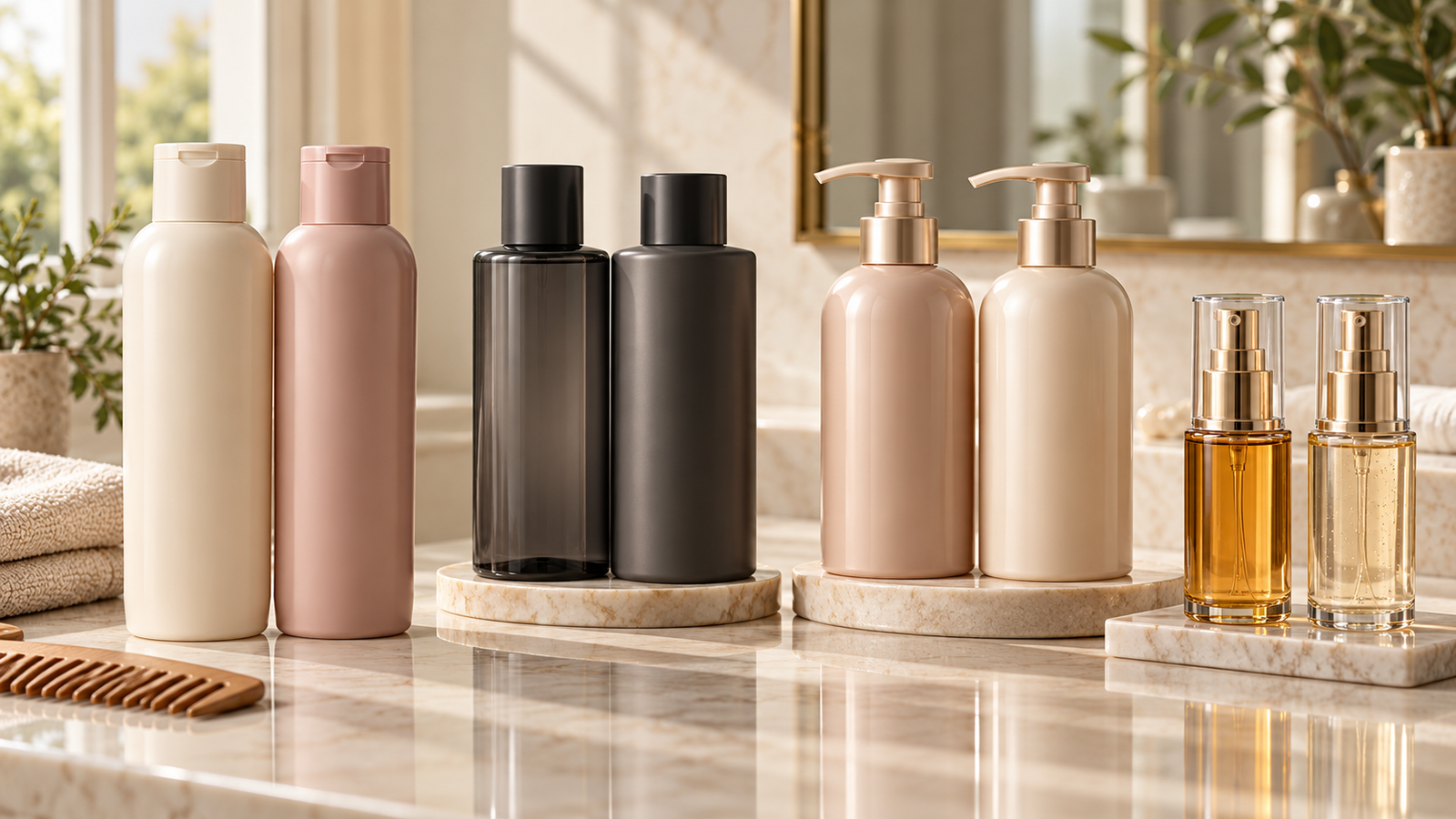
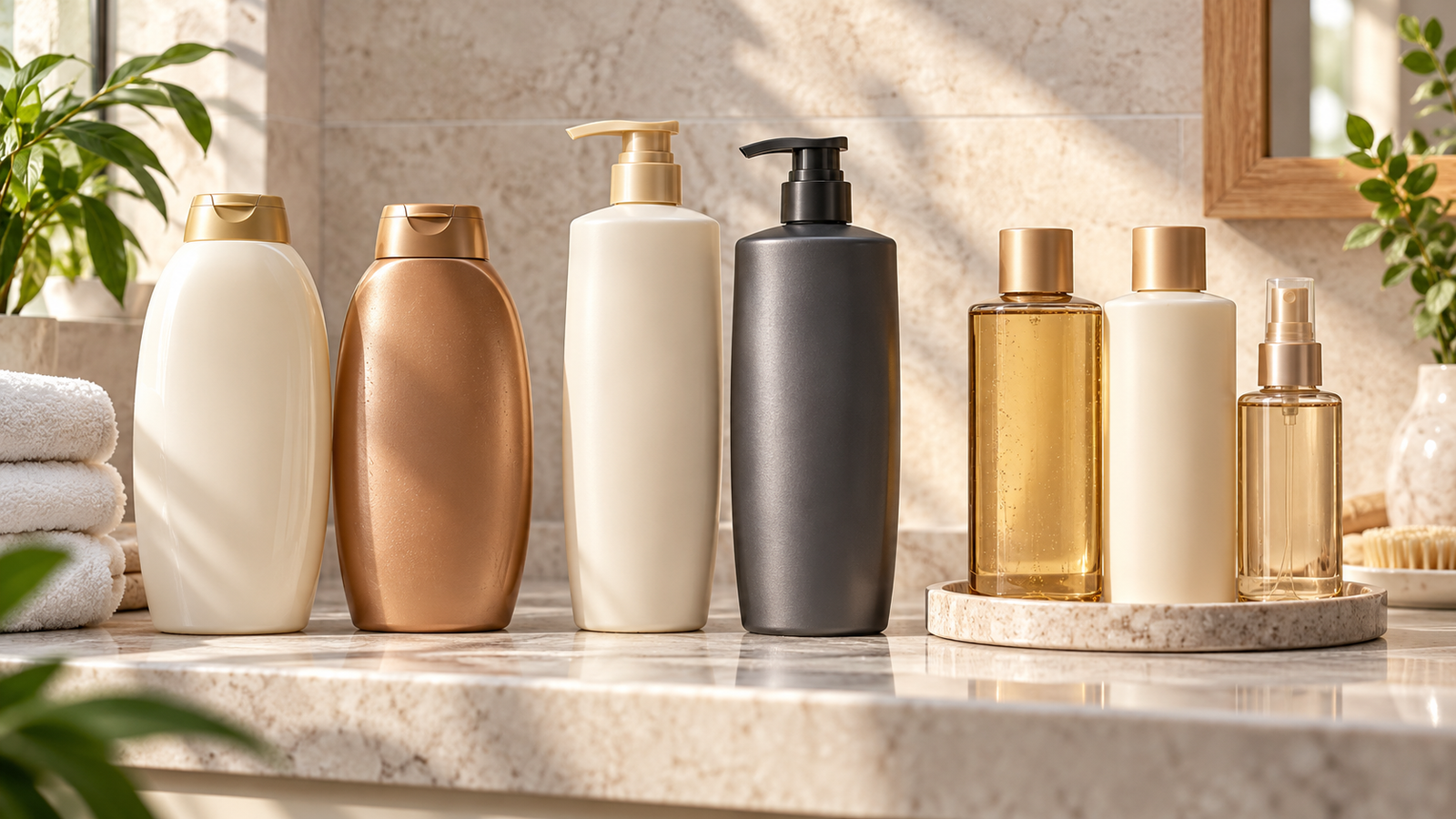
Professional salon haircare kits often look like a complete solution for dry, frizzy or damaged-looking hair. A typical kit might contain shampoo, conditioner, treatment spray, hair mask and finishing serum, all marketed as part of one coordinated system.
But does your hair actually need every product in the box?
A larger haircare routine is not automatically a better one. Some products serve distinct purposes, while others may overlap or provide benefits you do not need.
For example, using a rinse-out conditioner, leave-in conditioner and smoothing serum may help certain hair types. For someone with fine hair, however, applying all three could leave the hair looking flat or greasy.
Before purchasing a professional haircare set, it is useful to understand what each product does, how it should be used and whether it adds genuine value to your existing routine.
This guide explains how to evaluate salon haircare kits, identify overlapping products and build a manageable routine without relying solely on marketing promises.
1. What Is a Salon Haircare Kit?
A salon haircare kit is a collection of products designed or marketed for use together.
These kits may target concerns such as:
- Frizz and roughness
- Dry or difficult-to-manage hair
- Color-treated hair
- Heat-styling damage
- Tangling and breakage
- Dull-looking hair
- Hair that feels coarse or lacks smoothness
Some kits contain only shampoo and conditioner. Others include several additional treatments and styling accessories.
A five-piece kit might contain:
- Shampoo
- Rinse-out conditioner
- Hair mask
- Leave-in treatment spray
- Finishing hair serum
The important question is whether all five products perform genuinely different functions.
A product bundle should be evaluated as a collection of individual steps, not automatically treated as one complete treatment.
2. Understand the Function of Each Product
Before adding a salon kit to your routine, classify its contents.
| Product | Primary purpose | Typical application |
|---|---|---|
| Shampoo | Removes oil, dirt and buildup | Scalp, then rinse |
| Rinse-out conditioner | Improves softness and detangling | Hair lengths, then rinse |
| Hair mask | Provides conditioning according to its formulation | Usually lengths, then rinse |
| Leave-in conditioner | Supports manageability between washes | Hair, without rinsing |
| Treatment spray | Depends on the specific formulation | Follow label |
| Finishing serum | Improves appearance, smoothness or feel | Usually lengths and ends |
Some products combine several functions, so the packaging instructions remain important.
Shampoo: The cleansing step
Shampoo primarily cleanses the scalp and hair.
The American Academy of Dermatology recommends concentrating shampoo on the scalp instead of aggressively rubbing it through the entire hair length.
This helps remove oil and buildup without unnecessary friction.
A salon shampoo may contain additional conditioning ingredients, but that does not change its basic cleansing role.
Conditioner: The detangling step
Conditioner improves the feel and manageability of hair.
It can help reduce friction between strands, making detangling easier.
People with fine hair may prefer applying conditioner mainly to the ends, while people with dry or curly hair may benefit from applying it along more of their hair length.
Hair mask: An additional conditioning step
Hair masks are generally richer or more specialized conditioning products, although formulations vary considerably.
Some are intended to replace regular conditioner occasionally.
Others are marketed as additional treatments.
Always check whether the mask is intended to be used before, after or instead of your usual conditioner.
Leave-in products: The post-wash step
Leave-in conditioners are designed to remain on the hair.
They may provide detangling, smoother styling and reduced frizz.
Not every leave-in product offers heat protection.
If you use heated styling tools, check whether the product explicitly provides heat-protectant instructions.
Finishing serum: The appearance step
Finishing serums are commonly used to improve smoothness, shine and flyaway control.
Many are applied in small quantities to the mid-lengths and ends.
However, a finishing serum should not automatically be treated as a scalp treatment, heat protectant or medical hair-loss solution.
3. Identify Overlapping Products Before Buying
One of the most useful steps in auditing a haircare kit is identifying products that perform similar functions.
Consider a hypothetical kit containing:
- Smoothing conditioner
- Anti-frizz hair mask
- Leave-in smoothing cream
- Gloss-finishing serum
All four products may contribute to softer or smoother-looking hair.
However, their functions overlap.
You might not need every product during every wash.
How to identify unnecessary overlap
Ask these questions:
Does the conditioner already make my hair manageable?
If yes, you may not need a hair mask at every wash.
Does my leave-in conditioner already reduce frizz?
If yes, a separate anti-frizz cream may be unnecessary.
Does my serum provide the finish I want?
If yes, adding another smoothing serum may offer little practical benefit.
Am I using multiple products simply because they came together?
A bundle’s packaging should not determine the number of products you apply.
The objective is to identify the minimum number of steps required to achieve a comfortable and manageable haircare routine.
4. Shampoo, Conditioner, Hair Mask and Serum: What Is the Correct Order?
The appropriate sequence depends on the specific products.
A straightforward routine might look like this:
Basic wash-day routine
Step 1: Shampoo
Apply shampoo according to its directions, concentrating on the scalp.
Rinse thoroughly.
Step 2: Conditioner
Apply conditioner to the appropriate sections of your hair.
Leave it on for the time stated on the label and rinse.
Step 3: Dry gently
Use a soft towel or T-shirt to absorb excess water without aggressive rubbing.
Step 4: Optional leave-in treatment
Apply a small amount of leave-in conditioner if additional manageability is needed.
Step 5: Optional styling product
Use a suitable finishing serum or styling product when required.
Where does a hair mask fit?
The position of a hair mask depends on its instructions.
Some masks are intended to replace regular conditioner, while others have a different recommended sequence.
Do not assume that applying conditioner and a mask together will always produce better results.
5. How to Read Treatment Spray Labels
Salon kits frequently include sprays described using terms such as:
- Repair
- Porosity control
- Anti-frizz
- Detangling
- Heat protection
- Smoothing
- Moisture boost
These names can sound similar, but they do not necessarily describe equivalent products.
What is a porosity spray?
Hair porosity generally refers to how hair absorbs and retains moisture.
A product marketed as a porosity spray may be intended to improve the feel or cosmetic appearance of hair with uneven porosity.
However, the term does not establish a standardized treatment mechanism across all brands.
Check the actual directions, ingredients and stated purpose.
Is every treatment spray a leave-in conditioner?
No.
Some sprays require rinsing, while others are leave-in products.
A treatment spray might also be designed for use before styling rather than immediately after shampooing.
Is every repair spray a heat protectant?
No.
A product marketed for hair repair does not necessarily offer verified heat protection.
Look for explicit heat-protectant labeling and follow the manufacturer’s temperature and application instructions.
Never assume two haircare products have the same function based only on words such as repair, smooth or treatment.
6. Do You Need a Leave-In Conditioner and Hair Serum Together?
Sometimes, but not always.
The American Academy of Dermatology explains that leave-in conditioners can benefit people with long, curly, dry, color-treated, heat-styled or difficult-to-manage hair.
However, the amount needed depends on hair characteristics.
For fine hair
Fine hair may become weighed down when several rich products are layered.
A lightweight leave-in spray or a small quantity of finishing serum may be sufficient.
Start with one product rather than both.
For thick or coarse hair
Thicker hair may benefit from additional conditioning and detangling.
A leave-in conditioner followed by a small amount of finishing product might improve manageability.
For curly hair
Curly hair often requires attention to moisture, detangling and styling.
A leave-in conditioner may help, while an additional styling product can serve a different function.
For oily scalps
Avoid assuming that products intended for dry hair should be applied directly to an oily scalp.
Many leave-in products and finishing serums are primarily intended for hair lengths.
Follow the label rather than using them on the scalp by default.
7. Can Salon Haircare Products Permanently Repair Damaged Hair?
Professional haircare products often use expressions such as:
- Deep repair
- Hair reconstruction
- Bond strengthening
- Damage reversal
- Split-end repair
These terms require careful interpretation.
Hair fibers are primarily composed of nonliving keratinized material.
Unlike living skin tissue, a damaged hair shaft cannot heal itself through biological tissue repair.
Cosmetic products can improve the appearance, surface smoothness, manageability and sometimes mechanical properties of hair.
Some specialized treatments may temporarily improve aspects of damaged hair fibers.
However, these effects should not be confused with permanently restoring every damaged section to its original condition.
What about split ends?
Conditioning products can temporarily make split ends look smoother.
They cannot reliably fuse severely split hair into permanently undamaged strands.
Trimming damaged ends and reducing further mechanical or heat damage remain important considerations.
What about hair fall?
Hair breakage and hair shedding are not the same.
Breakage occurs when hair fibers fracture.
Shedding involves hair being released from the follicle.
A conditioner may help reduce breakage during grooming, but that does not mean it treats underlying causes of hair loss.
Persistent shedding, thinning or scalp symptoms deserve professional assessment.
8. How to Audit a Professional Haircare Bundle
Before buying, examine each product individually.
Use this checklist.
| What to check | Why it matters |
|---|---|
| Product name | Identifies the actual formula |
| Bottle size | Helps establish usable quantity |
| Rinse-out or leave-in | Determines application method |
| Intended hair concern | Establishes whether you need it |
| Application frequency | Prevents unnecessary use |
| Heat-protection directions | Important before heat styling |
| Fragrance and ingredients | Relevant to individual sensitivities |
| Expiry and storage guidance | Helps avoid wasted products |
| Seller and variant | Confirms the exact bundle |
Watch for misleading bundle comparisons
Two listings with similar names may contain different sizes or accessories.
One salon kit could include a 300 ml shampoo, while another contains a 200 ml bottle.
Some kits include a bonnet, comb or travel-size sample.
An accessory may be convenient, but it should not be counted as an additional treatment product.
Compare the exact contents rather than relying on the number of items advertised.
9. Are Salon Haircare Kits Better Than Regular Haircare Products?
Not automatically.
Professional positioning does not independently prove that a shampoo, conditioner or serum is more effective than a regular retail alternative.
Products vary by formulation, ingredients and intended use.
A salon shampoo may be well suited to a particular routine, while a simpler supermarket shampoo may work adequately for someone else.
What actually matters?
Consider:
- Your scalp’s cleansing needs
- Hair length and texture
- Whether your hair is color-treated
- Regular use of heat-styling tools
- Fragrance sensitivity
- Ease of detangling
- Product compatibility
- Cost per usable application
A more expensive bundle is only worthwhile when its products address needs that your existing routine does not adequately meet.
10. How to Test a New Haircare Kit
Introducing an entire five-product kit at once can make it difficult to identify which item improves your routine or causes discomfort.
A gradual approach is more useful.
First: Establish your baseline
Observe how your hair behaves with your current shampoo and conditioner.
Notice:
- How easily it detangles
- Whether the scalp feels comfortable
- How the hair looks after drying
- Whether the lengths feel rough
- How quickly residue accumulates
Second: Introduce one change
Replace or add one product according to its instructions.
Avoid simultaneously adding a hair mask, leave-in spray and finishing serum.
Third: Observe the results
Over several uses, note whether the product helps with your intended goal.
For example, a leave-in conditioner might reduce tangling but make fine hair feel heavy if too much is applied.
Fourth: Adjust the amount
Try the smallest practical quantity recommended for your hair.
The American Academy of Dermatology advises using only as much leave-in conditioner as needed, since excess product can leave hair looking greasy.
Fifth: Decide whether another step is necessary
Add another product only if you have a clear reason.
You do not need to use every item simply because you purchased a bundle.
11. Common Mistakes When Using Salon Haircare Kits
Mistake 1: Applying every treatment after every wash
Not every product is intended for frequent application.
Check directions and avoid unnecessary overlap.
Mistake 2: Applying finishing serum directly to the scalp
Some scalp products are specifically formulated for scalp application.
However, ordinary finishing serums are often intended for the hair lengths and ends.
Mistake 3: Assuming repair means heat protection
Always check for explicit heat-protectant instructions.
Mistake 4: Using excessive quantities
More leave-in product can increase buildup or make hair appear greasy.
Mistake 5: Treating all hair types the same
Fine, curly, coarse, color-treated and dry hair may benefit from different products and routines.
Mistake 6: Confusing hair breakage with hair loss
Cosmetic products may improve manageability and reduce grooming-related breakage, but persistent hair loss can involve underlying medical or scalp conditions.
Mistake 7: Ignoring scalp irritation
Persistent itching, redness, burning or flaking should not be dismissed as normal adjustment to a professional product.
Stop using a suspected irritant and seek professional advice if symptoms persist.
12. Build a Minimal Salon Haircare Routine
Instead of automatically using five or six products, build your routine around the actual tasks you need.
Routine A: Basic everyday care
Suitable for someone who mainly needs cleansing and detangling.
- Shampoo.
- Conditioner.
- Gentle drying and styling.
Routine B: Dry or frizz-prone lengths
For hair that needs additional manageability.
- Shampoo.
- Conditioner.
- Optional leave-in conditioner.
- Small amount of finishing serum if needed.
Routine C: Regular heat styling
For someone who uses a blow dryer or another heated styling tool.
- Shampoo.
- Conditioner.
- A suitable heat-protection product according to its directions.
- Heat styling using appropriate temperature settings.
- Optional finishing product.
A serum should not replace a dedicated heat protectant unless it is specifically formulated and labeled for that purpose.
Routine D: Occasional intensive conditioning
For someone who prefers a richer conditioning treatment.
- Shampoo.
- Hair mask according to product instructions.
- Additional conditioner only if recommended or needed.
- Optional leave-in product.
These are examples rather than strict rules. Product directions and individual hair requirements should guide the final routine.
13. Frequently Asked Questions
Should I buy a complete salon haircare kit?
Only if the included products suit your needs and you expect to use them. A shampoo-and-conditioner pair may be sufficient if additional treatments offer no clear benefit.
Can I use a hair mask and conditioner together?
Sometimes. Some masks are designed to replace conditioner, while others have different directions. Follow the product instructions.
Should a hair serum go on the scalp?
Not by default. Many finishing serums are intended for the mid-lengths and ends. Apply scalp-specific products only according to their directions.
Is a salon repair serum the same as a heat protectant?
No. A repair-oriented serum does not automatically provide heat protection. Look for specific heat-protection labeling.
Can I use a leave-in conditioner every day?
It depends on the product and your hair’s needs. Some formulations can be used regularly, but excess application may cause buildup or heaviness.
Do professional products prevent hair loss?
Do not assume so. Some products may reduce breakage or improve cosmetic appearance, but medical hair loss has different potential causes.
Do I need matching shampoo and conditioner?
No. Products from different brands can be used together when they suit your scalp and hair and their instructions are compatible.
Does a salon haircare kit permanently fix split ends?
No. Conditioning products may temporarily smooth their appearance, but they should not be expected to permanently restore split hair fibers.
How do I know whether my kit contains unnecessary products?
Group its contents into cleansing, conditioning, treatment and finishing steps. If multiple products serve the same purpose, assess whether each adds a benefit you actually need.
14. Final Takeaway
Professional salon haircare kits can be convenient, but the number of products in a bundle does not determine its quality.
The most useful haircare routine is one in which every product has a clear purpose.
Start with suitable cleansing and conditioning products, then add leave-in treatments or finishing serums only when they address a specific need.
Read the instructions, identify overlapping steps and avoid expecting cosmetic products to permanently reverse structural damage or treat medical hair loss.
A carefully selected three-step routine may serve your hair better than an expensive six-product kit used without a clear plan.
References and Further Reading
- American Academy of Dermatology — Tips for Healthy Hair
- American Academy of Dermatology — Dermatologists’ Top Tips for Using Leave-In Conditioner
- American Academy of Dermatology — Hair Styling Without Damage
- American Academy of Dermatology — Hair Loss: Tips for Managing
Editorial note: This article provides general haircare education. No salon kit or individual product mentioned was independently tested for this article. The featured image illustrates different haircare formats, not verified product performance. Persistent hair or scalp problems should be assessed by a qualified healthcare professional.