Top 5 Hair Oils in India
Compare five hair oils in India for everyday oiling, dry hair, scalp-focused routines and dandruff-positioned care, with practical picks for different needs.
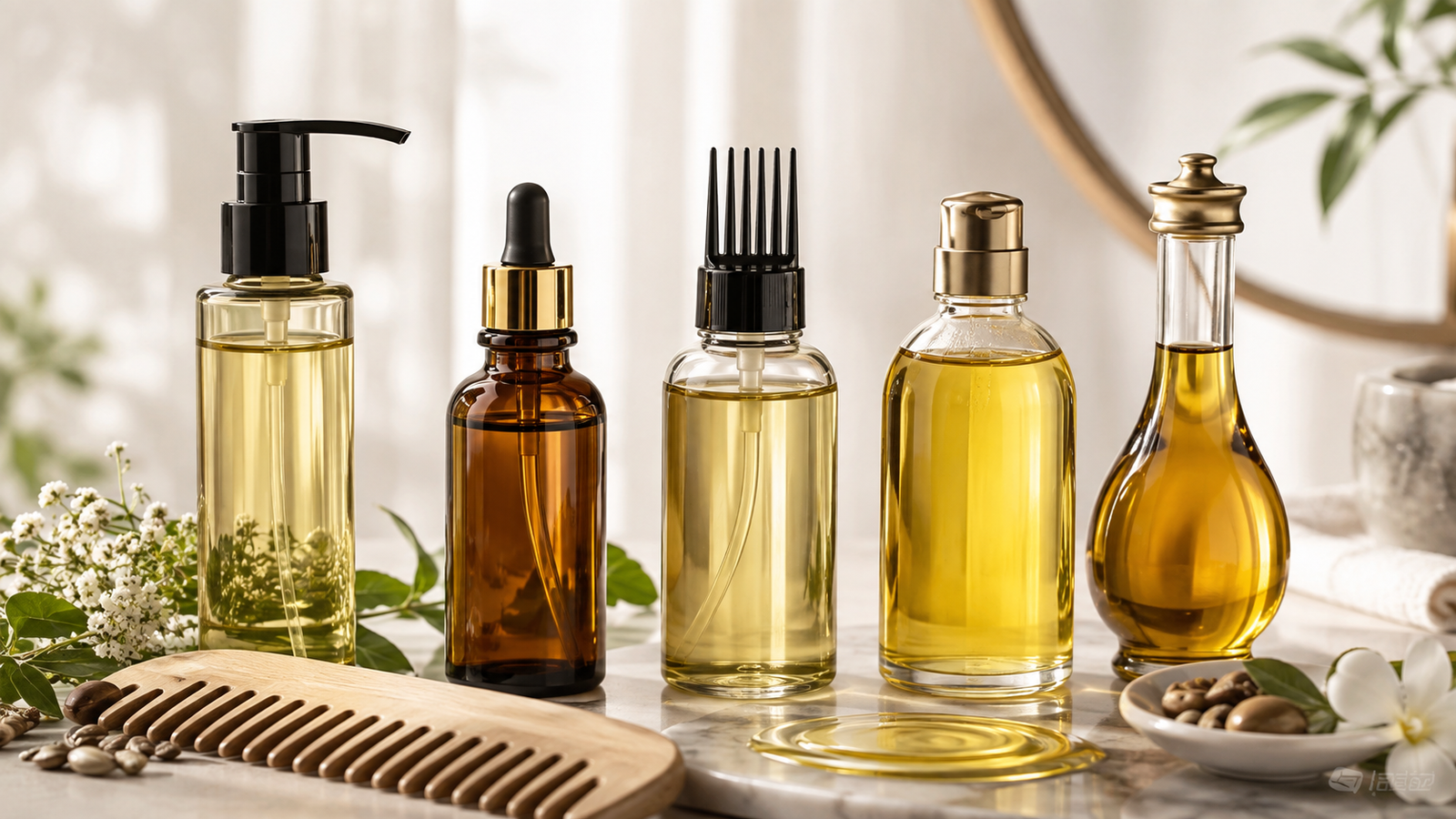
Hair oil is one of the most familiar parts of an Indian haircare routine, but products sold under the same category can serve very different purposes. Some are simple single-oil options, while others combine botanical oils, herbs or scalp-focused ingredients. The right choice depends on whether you want a straightforward pre-wash oil, a more elaborate scalp-and-length routine, or a product positioned around a specific concern such as dryness or dandruff.
For this Physical Glow ranking, we compared the five published Hair Oil products currently available in our Beauty catalogue. We focused on product format, stated ingredients and positioning, ease of use, routine fit and how clearly each option serves a distinct type of user. We did not rank products by changing marketplace prices or customer-review counts, and we do not claim hands-on testing where it has not been performed.
Affiliate disclosure: Physical Glow may earn a commission when you purchase through links on this page, at no additional cost to you. Our editorial ranking is independent of affiliate relationships.
Our Top 5 Hair Oils at a Glance
The ranked comparison below is generated dynamically from the canonical Product records selected for this guide. Product titles, available editorial ratings, retailer links and published Reviews therefore remain connected to the current Product system rather than being copied into a static table.
How We Chose These Hair Oils
Routine role
We first looked at what each oil is actually designed to do in a routine. A simple coconut oil can be useful for someone who wants a familiar pre-wash step with minimal complexity, while a multi-ingredient botanical or Ayurvedic formula may appeal to someone who prefers a more specialised scalp-and-hair ritual.
Ingredient transparency and product positioning
Ingredient names can help explain a product’s intended role, but they should not be treated as proof of a guaranteed result. We gave more weight to products whose catalogue information clearly identifies the formula style and the hair or scalp concern they are positioned around.
Ease of application
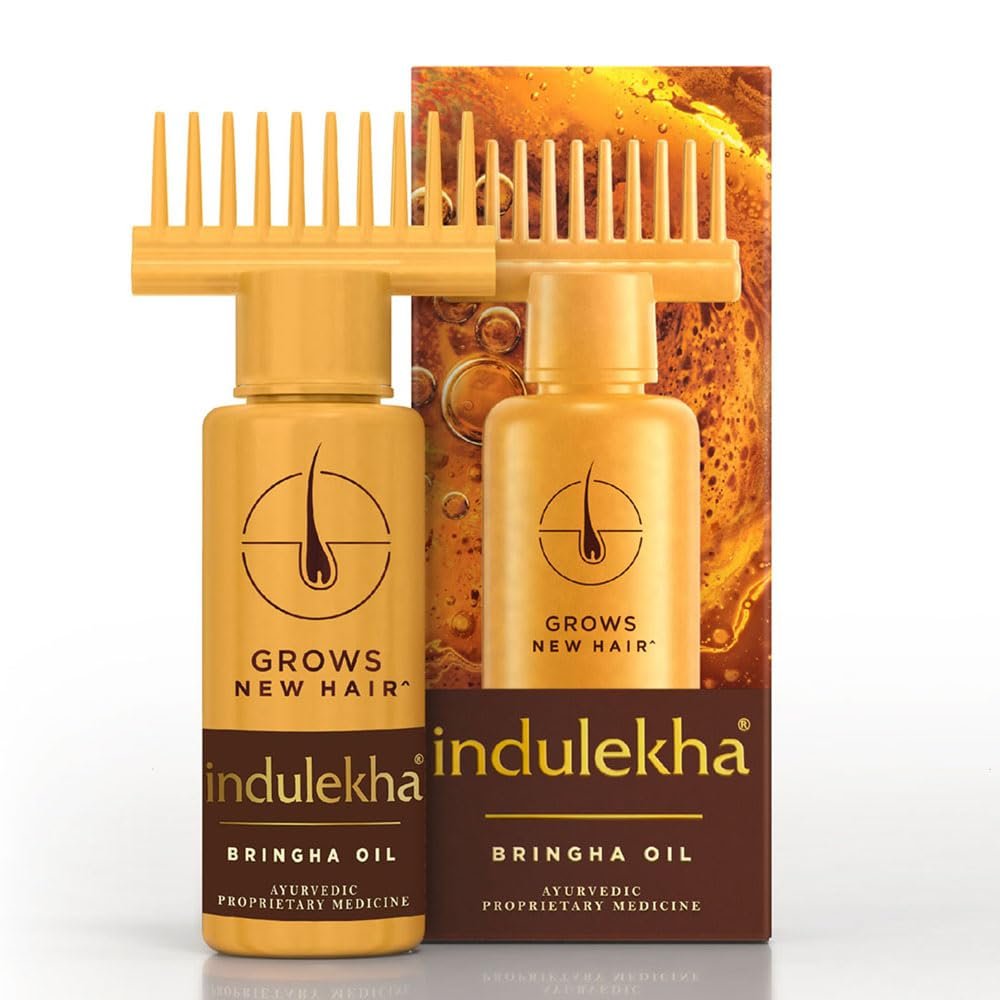
Packaging can influence whether a hair oil fits a routine. A comb-applicator bottle, for example, offers a different experience from a conventional pour bottle. This does not automatically make one better than another, but it can make a product more practical for a particular user.
Versatility
We also considered whether the oil can fit a broad everyday routine or whether it is a more specialised choice. A versatile option can be easier to recommend as an overall pick, while a narrower product can still be the better choice for a clearly defined need.
Which Hair Oil Is Best for You?
Choose Soulflower if you want the broadest multi-ingredient option
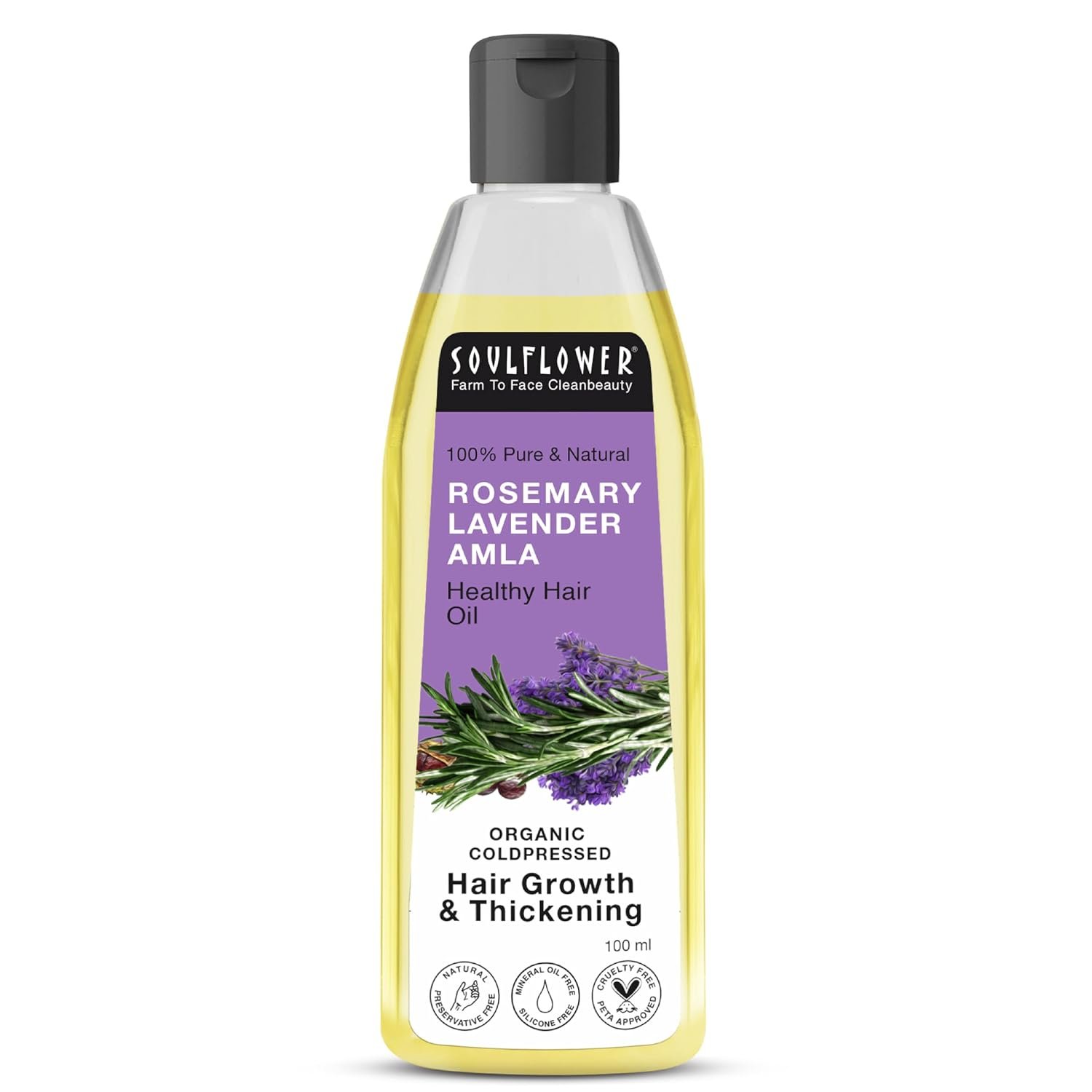
Soulflower Rosemary Lavender Amla Hair Oil combines several familiar botanical ingredients and is positioned around hair-fall, dandruff and dry-scalp concerns. Within this shortlist, it has the broadest multi-ingredient identity and can suit someone who specifically wants a botanical oil blend rather than a simple single-oil routine.
The important limitation is that an ingredient list or product positioning does not guarantee hair-growth or dandruff-treatment results. Use it as a cosmetic hair-and-scalp oil, follow the manufacturer’s directions, and judge it by comfort, manageability and how well it fits your routine.
Choose Indulekha if application convenience matters
Indulekha Bringha Ayurvedic Hair Oil stands out because of its comb-applicator packaging. Its catalogue record identifies bhringharaj and coconut oil and positions the product around hair-fall care. The applicator may be useful if you prefer to distribute oil directly through sections of the scalp rather than pouring it into your hands first.
This is a more ritual-oriented option than a basic coconut oil. It makes most sense for someone who likes the Ayurvedic positioning and values the bottle design enough to use it consistently.
Choose Parachute if you want a simple coconut-oil routine
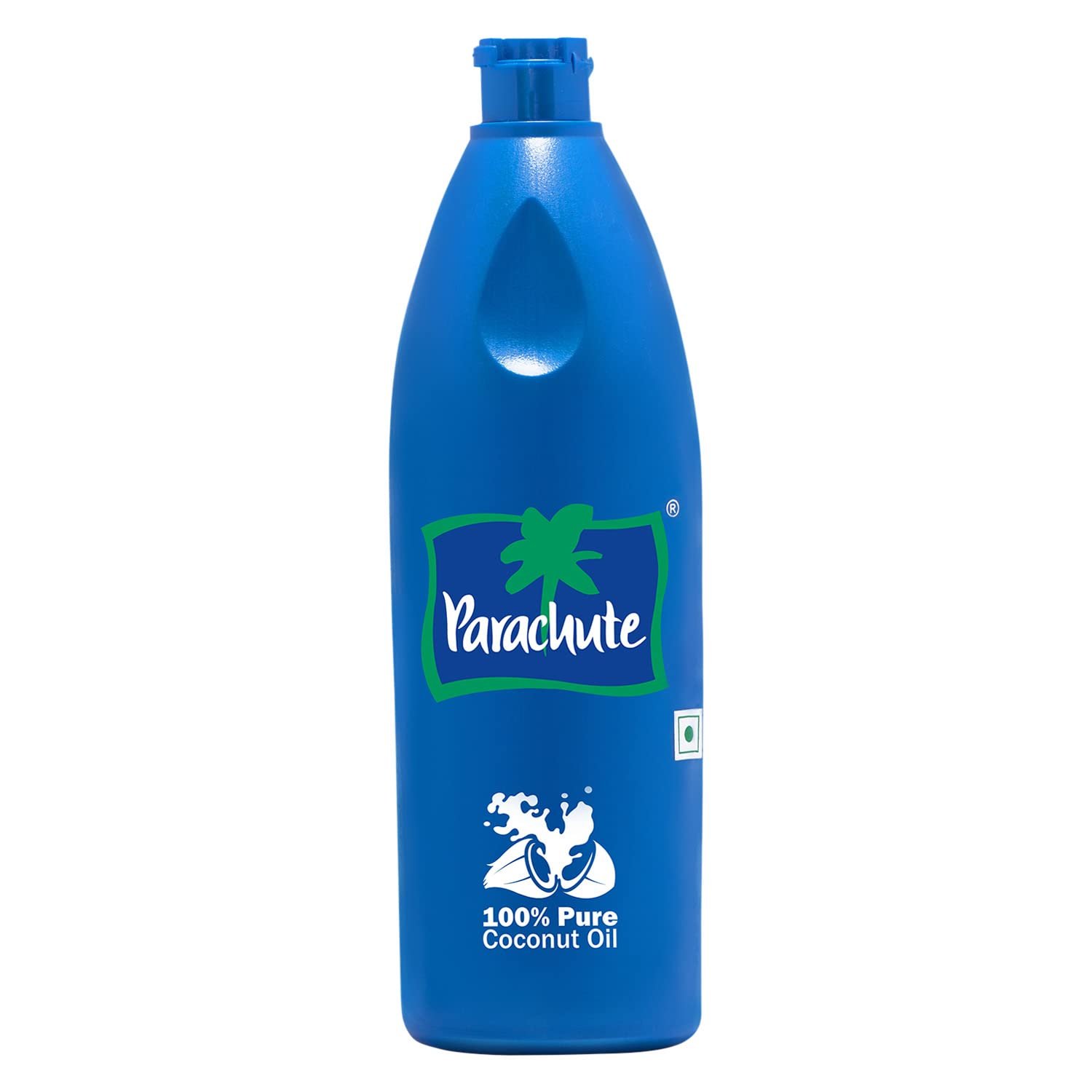
Parachute Coconut Oil is the simplest option in the group. Its role is easy to understand: a conventional coconut-oil product for everyday hair-oiling routines. That simplicity can be an advantage if you do not want a long ingredient list or a highly specialised product claim.
It can be particularly practical as a pre-wash oil for users who already know that coconut oil suits their hair and scalp. If your main concern is a specific scalp condition, however, a generic coconut oil should not be treated as a substitute for appropriate medical care.
Choose Kesh King if you prefer a multi-herb Ayurvedic blend
Kesh King Gold Ayurvedic Hair Oil is positioned as a herbal blend with 21 herbs and Gro-Biotin in its Product record. It is the clearest fit for someone who wants a traditional multi-herb product rather than a minimalist oil.
The trade-off is complexity: a long botanical positioning can make the product appealing, but it also means you should pay attention to scalp comfort and stop use if irritation develops. More ingredients do not automatically mean better results.
Choose Himalaya if dandruff-focused positioning is your priority
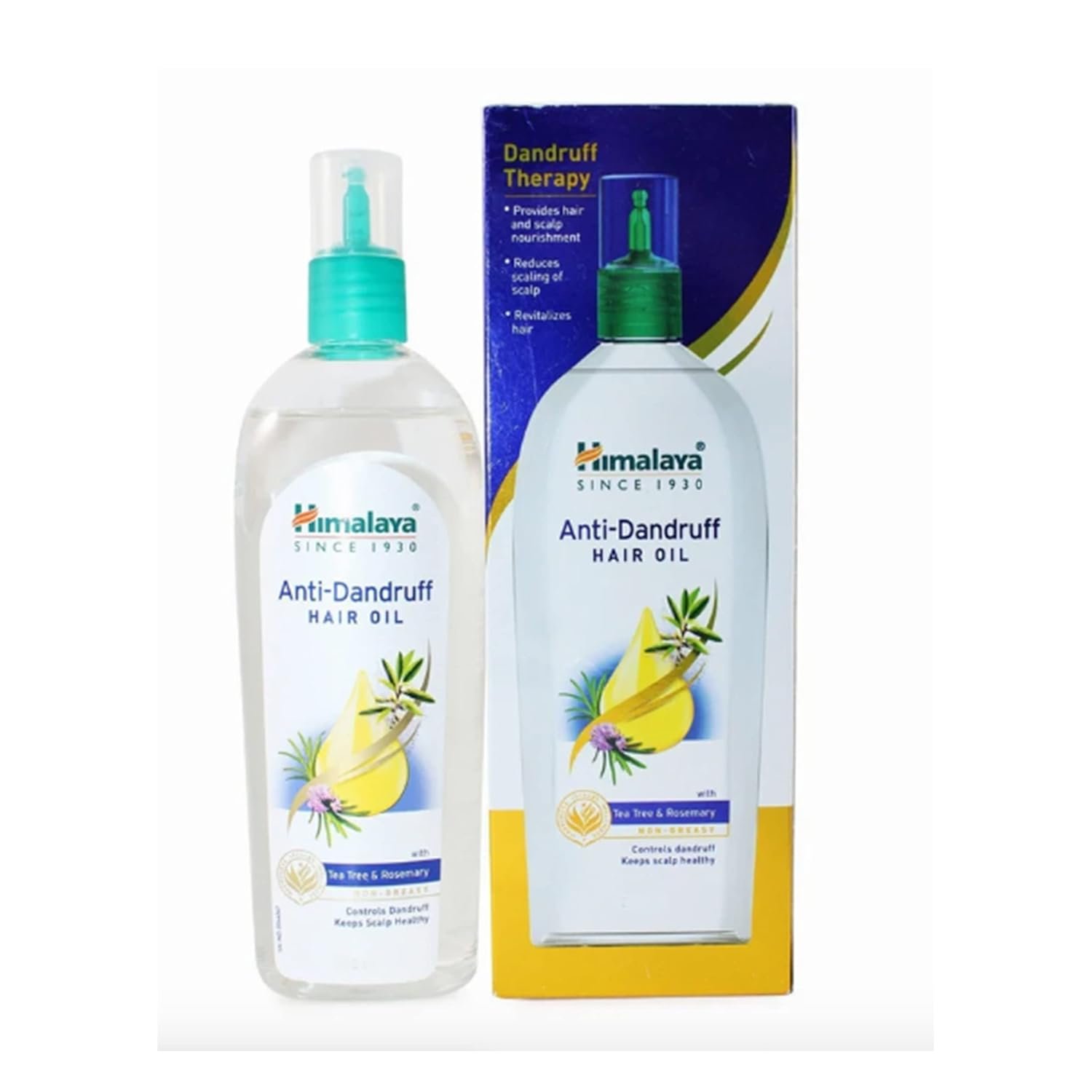
Himalaya Herbals Anti-Dandruff Hair Oil is the most narrowly positioned product in this shortlist. Its Product record centres on dandruff and scalp-care use, which makes it the most relevant option if you specifically want an oil marketed around that concern.
Dandruff can have several causes, and persistent flaking, redness or itching may need professional assessment. A cosmetic oil can be part of a routine, but it should not be presented as a guaranteed treatment for an underlying scalp condition.
If you want a broader decision framework before comparing individual products, read our Hair Oil Buying Guide.
How to Choose a Hair Oil
Start with the job you want the oil to do
Do not begin with the longest ingredient list. Decide whether you want a simple pre-wash conditioning step, a scalp-focused massage product, a richer overnight routine or a specialised formula. Once the intended role is clear, it becomes much easier to eliminate products that do not fit.
Consider your scalp as well as your hair
An oil that feels comfortable on dry lengths may not feel comfortable on an oily, sensitive or dandruff-prone scalp. If you are prone to irritation, start with a small amount and avoid assuming that a ‘natural’ or Ayurvedic label guarantees suitability.
Think about texture and wash-out
Richer oils can take more shampooing to remove, while lighter application may be easier for fine hair. Using too much product can make hair feel heavy without adding extra benefit. Start conservatively and increase only if needed.
Check how much effort the routine requires
A product only has value if you will use it. Consider bottle design, application time, how long you plan to leave the oil on, and how easily it washes out. A simpler product used consistently may be more useful than a complex product that becomes inconvenient.
Hair Oil for Dry Hair
Dry hair often benefits most from attention to the mid-lengths and ends, where friction and weathering are usually more noticeable. Pre-wash oiling can be used to reduce the harsh feel of washing for some people, but the ideal amount depends on hair density, texture and how easily the oil shampoos out.
If your roots become greasy quickly, you do not need to saturate the scalp just because the ends feel dry. Treat different areas according to their needs.
Hair Oil for Dandruff or an Itchy Scalp
Be cautious about treating persistent dandruff as a simple dryness problem. Heavy oiling can feel soothing for some users but may not address the underlying cause of recurring flaking. If symptoms are persistent, severe or accompanied by redness or sores, seek appropriate professional advice rather than continually adding more oil.
How Much Hair Oil Should You Use?
There is no universal quantity. Hair length, density and product texture all matter. Start with enough to lightly coat the areas you intend to treat rather than soaking the entire head. If shampooing becomes difficult or hair feels coated after washing, reduce the amount next time.
How Long Should You Leave Hair Oil On?
Follow the product directions. Some people prefer a short pre-wash period, while others use an overnight routine. Longer contact is not automatically better. If your scalp becomes itchy, uncomfortable or congested, shorten the contact time or stop using the product.
Common Hair-Oiling Mistakes
- Using far more oil than needed and then over-shampooing to remove it.
- Choosing a product only because it has more herbs or ingredients.
- Assuming every hair-fall or dandruff claim is a guaranteed treatment outcome.
- Applying a heavy oil to an irritated scalp without checking tolerance.
- Changing several products at once and then being unable to tell what helped or caused irritation.
Frequently Asked Questions
Is hair oil necessary for healthy hair?
No. Hair oil can be a useful conditioning or grooming step, but it is not mandatory for healthy hair. A good routine can also be built around appropriate cleansing, conditioning, gentle handling and protection from unnecessary damage.
Can hair oil stop hair fall?
Hair oils can improve lubrication, softness and manageability, but hair fall can have many causes. A cosmetic product should not be assumed to treat medical or nutritional causes of shedding.
Can I apply hair oil every day?
Some users may tolerate frequent light application, while others find it causes buildup or requires excessive cleansing. Frequency should depend on your scalp, hair type, product directions and how easily the oil fits your wash routine.
Should hair oil go on the scalp or only the lengths?
That depends on the product and your goal. Scalp-focused oils are designed for scalp application, while someone using oil mainly to improve the feel of dry ends may concentrate on the lengths. There is no need to treat every part of the hair identically.
Is an Ayurvedic hair oil automatically better?
No. Ayurvedic or herbal positioning describes the style of formulation and ingredients, not a guaranteed level of performance. Suitability, ingredient tolerance, routine fit and the quality of evidence behind specific claims still matter.
Final Verdict
Soulflower Rosemary Lavender Amla Hair Oil is our Best Overall pick for this shortlist because it has the broadest multi-ingredient positioning and a clear scalp-and-hair routine role. Indulekha is the strongest option for users who value a comb-applicator Ayurvedic format, while Parachute is the most straightforward choice for a simple coconut-oil routine.
Kesh King is the specialist multi-herb option, and Himalaya is the most directly dandruff-positioned product. Choose by the routine you will actually follow rather than by the number of ingredients or the strength of a marketing claim.