How Much Pressure for Self-Massage? Tender Spots and Stop Signals
Learn to avoid excessive pressure with massage balls and handheld tools, and recognize symptoms that mean you should stop.
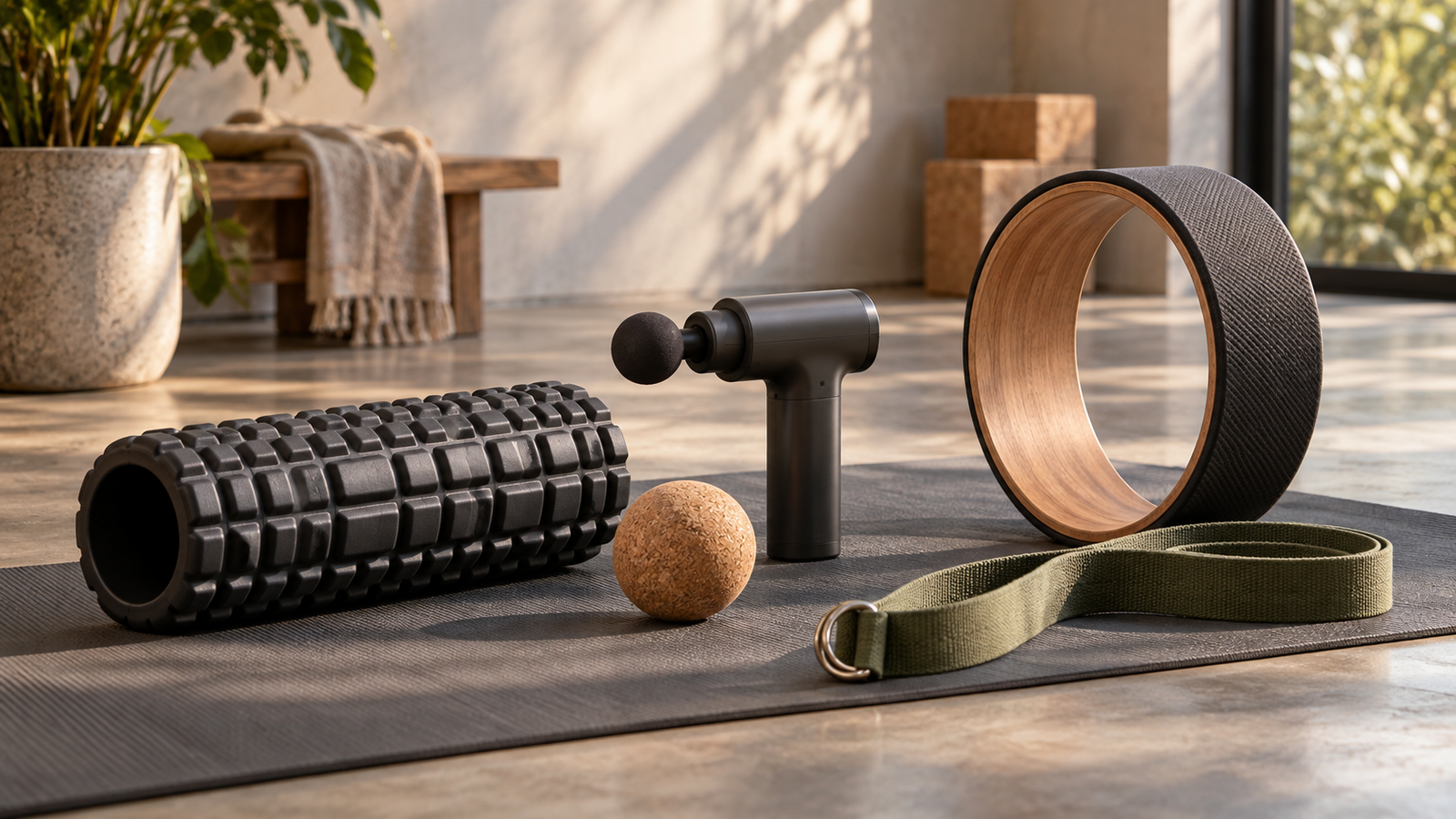
Self-massage can be a useful addition to a recovery routine. Whether you use your hands, a foam roller, a massage ball or a handheld massager, applying pressure to muscles may temporarily reduce feelings of tightness, improve comfort and help you relax after physical activity.
But how much pressure should you use?
Some people believe that massage is only effective when it hurts. They press firmly into tender muscles, hold painful positions for long periods or increase the intensity of a massage device until the sensation becomes difficult to tolerate.
That approach is not necessarily more effective. Excessive pressure can cause irritation, bruising or injury, particularly over sensitive tissues.
At the other extreme, pressure that is too light may not provide the sensation or short-term effect someone is looking for.
The goal of self-massage is controlled, tolerable pressure—not maximum pain.
The appropriate intensity depends on the body area, tissue sensitivity, health conditions, tool being used and how your body responds during and after treatment.
This Physical Glow guide explains how to judge massage pressure, distinguish manageable tenderness from warning signs, adjust different massage tools and recognize when to stop.
1. What Does Self-Massage Actually Do?
Self-massage involves applying manual or mechanical pressure to accessible body areas, usually with the intention of improving comfort or reducing perceived muscle tension.
Common techniques include:
- Gentle rubbing with the hands.
- Sustained pressure using a massage ball.
- Foam rolling.
- Light compression.
- Handheld percussion massage.
- Massage sticks or rollers.
Depending on the technique, self-massage may influence sensory input, pain perception, short-term range of motion and the subjective feeling of muscle tightness.
However, it is important not to overstate the benefits.
Self-massage does not necessarily break apart scar tissue, remove toxins or permanently correct muscle imbalances.
Some claims about releasing fascia or removing knots are simplified descriptions of complex biological processes.
What Does the Research Suggest?
Research on foam rolling and related techniques suggests that some approaches can produce short-term improvements in joint range of motion and perceived muscle soreness.
Effects vary across studies, individuals and protocols.
Evidence does not establish that applying the strongest possible pressure delivers the best results.
That distinction is important because greater discomfort may increase risk without providing additional benefit.
2. Why Massage Pressure Matters
Applying pressure creates mechanical forces on the skin and underlying tissues.
The response depends on several factors:
- Amount of force.
- Size of the contact surface.
- Duration of application.
- Body region.
- Tissue sensitivity.
- Existing injury or inflammation.
- Individual medical conditions.
A broad foam roller spreads pressure across a relatively large surface.
A small, hard massage ball concentrates pressure over a much smaller area.
Consequently, two tools can feel very different even when you apply similar amounts of body weight.
Pressure Is Not the Same as Force
Pressure depends on both applied force and contact area.
\[ \text{Pressure}=\frac{\text{Force}}{\text{Contact Area}} \]
A smaller contact area can create more localized pressure.
This helps explain why a firm massage ball may feel more intense than a broad foam roller.
However, this mechanical relationship alone cannot establish a safe pressure for living tissue.
Individual tolerance and medical factors remain important.
3. Should Self-Massage Hurt?
Mild or moderate tenderness may occur when massaging a sensitive muscle.
However, pain is not a requirement for effectiveness.
An uncomfortable sensation is not necessarily evidence that an area needs more pressure.
Tolerable Pressure
You may experience:
- A sense of compression.
- Mild tenderness.
- A comfortable stretching-like sensation.
- Gradual relaxation.
- A feeling of reduced tightness.
Excessive Pressure
Warning signs include:
- Sharp pain.
- Burning.
- Electric or shooting sensations.
- Tingling.
- Numbness.
- Sudden muscle guarding.
- An urge to immediately escape the pressure.
- Pain that worsens rather than settles.
These sensations should not be interpreted as a productive release.
If pressure causes sharp, electrical or progressively worsening pain, stop rather than pushing harder.
4. The 0–10 Comfort Scale: A Practical Guide
A numerical comfort scale can help you monitor intensity.
It is not a validated universal dosing system for self-massage. Different people experience and report pressure differently.
Illustrative pressure-comfort scale
How intense does it feel?
3/10
0
5
10
Moderate, comfortable pressure
Noticeable pressure with manageable tenderness. You should remain relaxed and able to breathe normally.Illustrative self-awareness tool, not a clinical pressure prescription. Pain tolerance is not a reliable measure of tissue safety.
For general wellness self-massage, many people may find gentle to moderate pressure more manageable than highly painful techniques.
But no single number can guarantee safe treatment.
The appropriate choice is to use the minimum pressure that provides a comfortable, useful sensation without producing concerning symptoms.
5. Why Tender Spots Do Not Always Need More Pressure
A tender spot is an area that feels sensitive when touched or compressed.
People sometimes describe these areas as knots or trigger points.
However, tenderness can have many explanations.
It may relate to recent exercise, local irritation, altered sensitivity or an underlying musculoskeletal condition.
The Common Mistake
You notice a tender point and repeatedly press harder because you assume the discomfort must be worked out.
This can create additional irritation.
A Better Approach
Begin with light pressure.
Observe whether the sensation remains comfortable.
If tenderness increases or the surrounding muscles tense, reduce the force or stop.
You can also work around the area rather than pressing directly into its most painful point.
Does a Knot Need to Disappear?
No.
There is no reliable requirement that a palpable or perceived knot must disappear during a session.
Repeatedly forcing an area until it stops hurting is not a safe general treatment strategy.
6. How Much Pressure Should You Use With a Foam Roller?
Foam rollers distribute pressure through body weight.
The intensity depends on the roller’s firmness, diameter, texture and your position.
Starting With Less Pressure
Use your arms or opposite leg to support some body weight.
This can reduce the load placed on the roller.
For example, when rolling the calf, keeping the other foot on the floor may help regulate pressure.
Increase Gradually Only if Comfortable
You may adjust position to change the amount of body weight supported by the roller.
However, do not increase intensity simply because the muscle feels tender.
Avoid Rolling Directly Over Vulnerable Areas
Do not apply strong pressure directly over:
- Bones or joints.
- The front or sides of the neck.
- Areas with significant swelling.
- Recent injuries.
- Unexplained lumps.
- Open wounds.
- Known blood clots or areas of suspected thrombosis.
Direct pressure over the spine, particularly with unsuitable technique, also deserves caution.
Smooth Movement Is Usually Preferable
Use controlled movements rather than rapidly bouncing over painful areas.
The purpose is to manage the pressure, not to endure as much discomfort as possible.
7. Foam Roller Density: Soft, Medium or Firm?
Foam rollers vary in firmness and surface texture.

Softer roller
May provide a more forgiving sensation

Medium roller
Balanced firmness for some users

Firm textured roller
May create more localized pressure
Does Firmer Mean More Effective?
Not necessarily.
A firm roller can create greater localized pressure, but that does not mean it is automatically superior.
Is a Soft Roller Only for Beginners?
No.
A softer roller may also be appropriate for someone who prefers gentle pressure or has sensitive tissues.
What About Textured Rollers?
Raised surfaces can concentrate pressure in selected areas.
They are not inherently better at breaking up muscle tissue.
Select the texture based on comfort and intended use.
8. Massage Balls: Why Small Tools Feel More Intense
Massage balls can concentrate pressure over a relatively small contact area.
A hard ball pressed against a wall may feel significantly more intense than a broad foam roller.
Begin Against a Wall
For many accessible muscle areas, using a wall can make pressure easier to control than placing full body weight on a ball on the floor.
Keep the Pressure Manageable
Lean gradually into the ball.
Avoid sudden movements.
Do Not Chase Pain
If the most tender point causes sharp or severe pain, move away from it.
Avoid Sensitive Anatomy
Do not apply hard pressure to the front or sides of the neck, directly over major blood vessels, bony structures or areas with unexplained symptoms.
For the back, avoid forceful direct pressure over the spine.
What About Tennis Balls?
A tennis ball may feel more forgiving than a hard massage ball.
However, even a soft ball can cause problems when excessive body weight is applied.
The tool’s material does not remove the need for caution.
9. Handheld Massage Guns: Why More Power Is Not Always Better
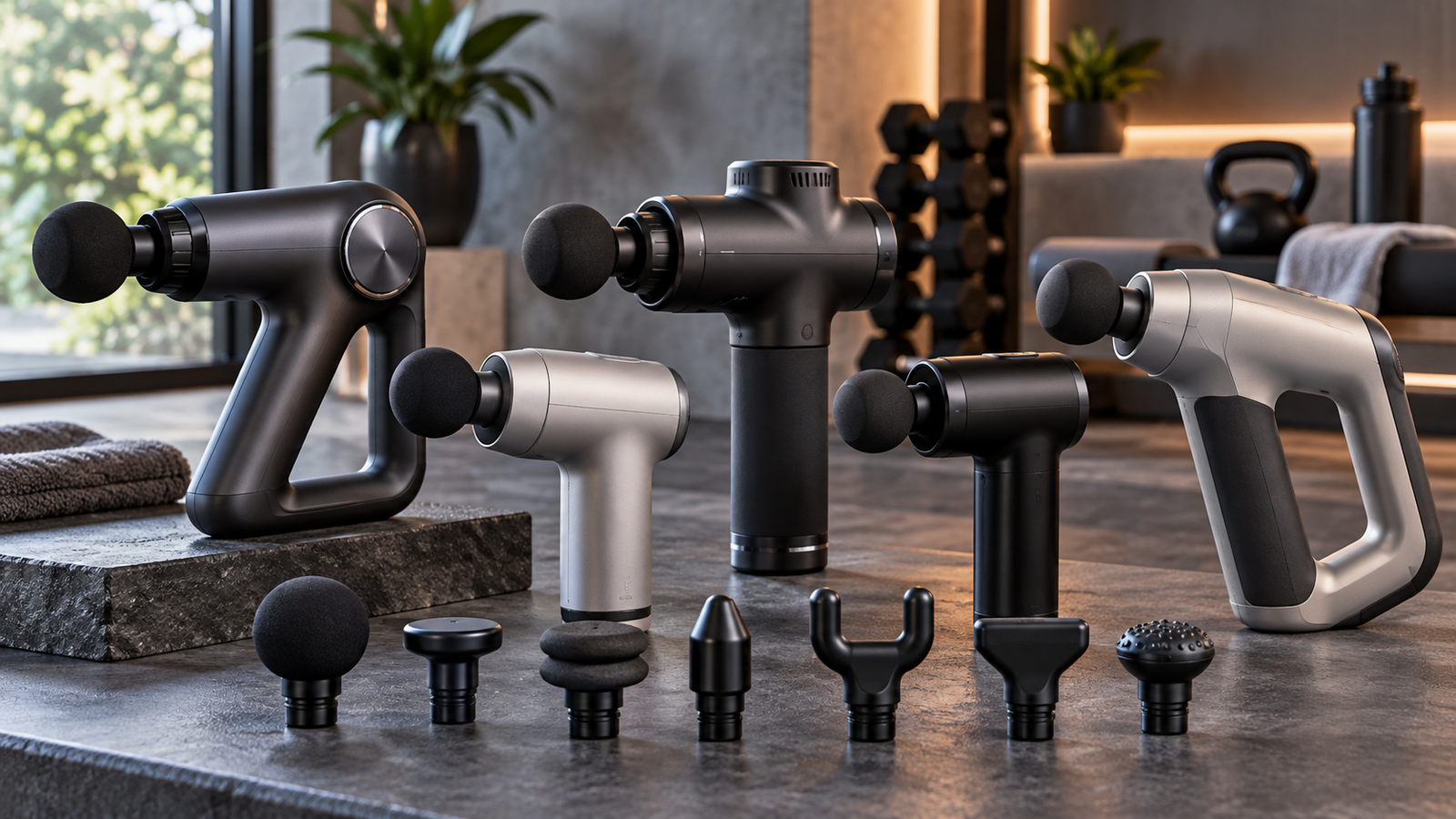
Massage guns use a motor-driven attachment to deliver rapid percussive movements.
Their intensity can vary by device and setting.
Some users find them helpful for short-term muscle comfort.
However, evidence for specific benefits remains limited, and aggressive use may cause injury.
Start With a Low Setting
Begin at the lowest appropriate setting according to the manufacturer’s instructions.
Keep the Device Moving When Directed
Avoid pressing a device continuously into one highly sensitive point beyond its instructions.
Do Not Add Excessive Manual Force
Many massage guns are designed to operate with relatively light contact.
Pushing forcefully into the body can increase discomfort and may alter how the device operates.
Avoid High-Risk Areas
Do not apply percussion over:
- The head or face.
- The front or sides of the neck.
- The spine or prominent bones.
- Open wounds.
- Recent fractures.
- Inflamed or infected areas.
- Suspected blood clots.
- Areas with significant bruising or unexplained swelling.
Follow all device-specific contraindications.
10. Does Massage Gun Speed Determine Pressure?
Not directly.
Massage gun specifications may describe:
- Percussions per minute.
- Stroke amplitude.
- Stall force.
- Attachment type.
- Speed settings.
These describe different aspects of device performance.
A faster setting does not necessarily mean greater safe pressure or better recovery.
Speed
Describes how frequently the device moves.
Amplitude
Describes the distance travelled by the massage mechanism.
Contact Force
Depends partly on how the device is applied and the device’s design.
Attachment Shape
A smaller attachment may concentrate contact more than a broad one.
Never assume that the highest speed setting is the most effective treatment setting.
11. How Long Should You Massage One Area?
There is no universal duration that is both optimal and safe for every tool and body region.
Duration should reflect the manufacturer’s instructions, the technique and your response.
Avoid Long, Painful Holds
Sustained heavy pressure on one tender area can increase irritation.
Shorter Sessions May Be More Manageable
For general self-care, brief periods of gentle application may be preferable to prolonged aggressive pressure.
Reassess During the Session
Ask whether the sensation is remaining comfortable.
If symptoms worsen, stop.
More Time Does Not Guarantee More Benefit
Evidence does not establish that extending a session indefinitely improves recovery.
Do not continue applying pressure solely because you have not felt a dramatic release.
12. Different Body Areas Require Different Caution
Not every muscle area is equally suitable for self-massage.
| Body area | General consideration | Important caution |
|---|---|---|
| Calves | Often accessible with gentle rolling or manual massage | Avoid suspected clots, significant swelling or unexplained calf pain |
| Thigh muscles | Broad muscle groups may tolerate suitable gentle pressure | Avoid painful joints, injuries and bruised regions |
| Gluteal muscles | Can be accessed using certain balls or rollers | Stop if pressure causes radiating pain or numbness |
| Upper back muscles | Some gentle methods may improve comfort | Avoid forceful pressure directly over the spine |
| Forearms | Light manual techniques may be convenient | Avoid aggravating nerve symptoms |
| Neck | Sensitive anatomy requires particular caution | Avoid forceful self-massage and percussion over the neck |
| Abdomen | Contains organs and vulnerable structures | Do not improvise deep pressure for unexplained symptoms |
Calves
Calf massage may feel pleasant after ordinary exercise-related tightness.
However, sudden one-sided swelling, warmth, redness or significant unexplained calf pain could indicate a serious condition, including deep vein thrombosis.
Do not massage an area where a blood clot is suspected.
Seek urgent medical evaluation.
Gluteal Region
A ball may provide localized pressure, but stop if symptoms radiate down the leg or cause tingling.
Those sensations may indicate nerve irritation.
Upper Back
Gentle massage of accessible muscular areas may be comfortable.
Avoid placing concentrated force directly onto the spinal bones.
Neck
The neck contains important nerves and blood vessels.
Avoid aggressive self-massage, deep compression or percussion around the front or sides of the neck.
Persistent neck pain, dizziness, neurological symptoms or unexplained headaches require appropriate assessment.
13. How to Recognize a Good Response to Self-Massage
A useful self-massage session does not need to produce dramatic sensations.
Possible positive responses include:
- A temporary feeling of relaxation.
- Reduced perceived muscle tightness.
- Improved comfort during ordinary movement.
- A modest short-term improvement in range of motion.
- Less perceived soreness.
These effects can vary.
What Should You Check Afterwards?
Move gently through an ordinary, comfortable range of motion.
Assess whether the area feels better, unchanged or more irritated.
Does Redness Mean the Massage Worked?
No.
Temporary skin redness can reflect increased superficial blood flow or mechanical irritation.
It is not proof that the treatment was effective.
Does Bruising Mean Deep Tissue Release?
No.
Bruising indicates damage to small blood vessels and should not be considered a desirable treatment outcome.
If bruising occurs, stop using aggressive pressure and reassess the technique.
14. Stop Signals: When to End the Session Immediately
Certain symptoms should prompt immediate discontinuation.
Stop if you experience:
- Sharp, severe or increasing pain.
- Shooting or electric sensations.
- Numbness or tingling.
- Sudden weakness.
- Dizziness or faintness.
- Significant swelling.
- New bruising or bleeding.
- Unusual symptoms affecting movement or sensation.
Seek urgent medical care for severe symptoms, suspected blood clots, significant injury or new neurological problems. Do not attempt to treat these conditions through self-massage.
Pain That Continues After Massage
Mild temporary soreness can occur, but persistent or worsening pain should not be dismissed as proof that the technique worked deeply.
Stop the activity and seek assessment if symptoms are concerning or do not resolve.
15. When Should You Avoid Self-Massage?
Self-massage may be unsuitable or require professional guidance in certain circumstances.
Examples include:
- Suspected deep vein thrombosis.
- Acute fractures.
- Open wounds.
- Active skin infections.
- Significant unexplained swelling.
- Severe bruising.
- Acute muscle injuries.
- Areas with impaired sensation.
- Certain bleeding disorders.
- Use of anticoagulant medication.
- Significant vascular disease.
- Recent surgery.
- Certain neurological conditions.
This is not an exhaustive list.
Pregnancy
Some forms of gentle massage may be appropriate during pregnancy, but the technique, area and health circumstances matter.
Avoid aggressive pressure or devices in areas where a clinician advises against their use.
Osteoporosis
People with fragile bones may face additional risks from strong mechanical pressure, particularly near bony structures.
Diabetes and Neuropathy
Reduced sensation can make it difficult to recognize excessive pressure or injury.
Individualized guidance is important.
Cancer or Complex Medical Conditions
People receiving cancer treatment or managing significant medical conditions should seek advice before using deep-pressure techniques or percussion devices.
16. Self-Massage Before vs After Exercise
Timing can influence what you want from the technique.
Before Exercise
Some people use brief, gentle foam rolling or massage as part of warm-up preparation.
The aim may be to improve comfort or short-term movement.
However, self-massage should not replace a progressive activity-specific warm-up.
After Exercise
Self-massage may help some people feel more relaxed or reduce perceived soreness.
The evidence for substantial improvements in physiological recovery is less consistent than some marketing suggests.
On Rest Days
Gentle self-massage may be used for comfort if there are no contraindications.
It is not necessary to massage every muscle after every workout.
What About Delayed-Onset Muscle Soreness?
Delayed-onset muscle soreness, or DOMS, may develop after unfamiliar or demanding exercise.
Some massage techniques may improve perceived soreness temporarily.
However, severe pain, unusual swelling or profound weakness should not automatically be attributed to ordinary DOMS.
17. How to Adjust Pressure Without Changing Tools
You do not always need a softer foam roller or a more expensive massage gun to reduce intensity.
Technique can make a substantial difference.
With a Foam Roller
- Support more body weight using your arms or opposite leg.
- Use controlled positioning.
- Avoid excessive pressure over tender areas.
- Move to a less sensitive location if needed.
With a Massage Ball
- Start against a wall rather than using full body weight on the floor.
- Lean gradually.
- Use a larger or softer ball if appropriate.
- Avoid pressing directly into severe pain.
With a Massage Gun
- Begin at a low setting.
- Use light contact.
- Follow attachment-specific directions.
- Avoid forceful downward pressure.
- Stop if the device causes pain or unusual sensations.
With Your Hands
- Start with gentle contact.
- Increase pressure only while comfortable.
- Avoid aggressive digging with fingertips or elbows.
- Be cautious over bony or sensitive regions.
18. Common Myths About Deep Self-Massage
Myth 1: The More It Hurts, the Better It Works
There is no dependable evidence that greater pain guarantees better recovery.
Excessive pressure can cause injury.
Myth 2: Bruising Means Toxins Are Being Released
Bruising reflects tissue or blood-vessel injury, not toxin removal.
Myth 3: Massage Breaks Up All Muscle Knots
The biological basis of perceived knots is complex.
The idea that ordinary massage physically breaks apart all knots is an oversimplification.
Myth 4: Strong Pressure Permanently Lengthens Muscles
Self-massage may temporarily influence range of motion, but it does not necessarily permanently change muscle length.
Myth 5: Everyone Needs a Massage Gun
No.
Many people can manage ordinary recovery with appropriate training load, sleep, nutrition, movement and simple comfort measures.
Myth 6: A More Expensive Device Produces Better Recovery
Price does not establish clinical effectiveness or individual suitability.
Myth 7: Massage Should Replace Treatment for Injury
Self-massage is not a substitute for diagnosis or rehabilitation when a significant injury or medical condition is present.
19. Choosing a Self-Massage Tool for Your Needs
Different tools offer different levels of control and convenience.
| Tool | Main advantage | Main limitation |
|---|---|---|
| Hands | Immediate feedback and easy pressure control | Limited reach and fatigue |
| Soft foam roller | Broad contact and potentially gentler sensation | Less localized |
| Firm foam roller | More concentrated pressure | May be uncomfortable |
| Massage ball | Targeted contact | Easy to apply excessive localized pressure |
| Massage stick | Manual control over some limbs | Requires careful handling |
| Massage gun | Convenient percussive stimulation | Requires attention to contraindications and body area |
For Beginners
A softer foam roller or gentle manual massage may be easier to control.
For Targeted Muscle Comfort
A suitable massage ball may be useful, provided you can regulate force safely.
For Convenience
A massage gun may appeal to people who prefer powered application.
However, it is not automatically necessary or superior.
For Sensitive Areas
Avoid using strong mechanical tools over vulnerable anatomy.
Consult a qualified clinician when symptoms suggest a medical problem rather than ordinary muscular discomfort.
20. Self-Massage Tool Selection Guide
What is your main goal?Gentle relaxation and comfortBroad pressure over large musclesLocalized pressure on a suitable muscle areaConvenient powered massage
Start with controllable, gentle pressure
Manual massage or a softer foam roller may be easier to regulate. Focus on comfort rather than forcing a deep sensation.Tool selection depends on health conditions, body region and individual tolerance. This guide cannot establish whether a particular technique is medically appropriate.
21. How to Evaluate Recovery Tools Before Buying
When comparing self-massage tools, focus on control and suitability rather than maximum intensity.
| Buying consideration | Why it matters |
|---|---|
| Pressure control | Helps avoid unnecessary force |
| Contact surface | Influences how concentrated pressure feels |
| Material firmness | Affects comfort |
| Shape and size | Determines accessibility and control |
| Device weight | Influences handling |
| Speed settings | Relevant for powered devices |
| Attachment types | Must be suitable for intended areas |
| Safety instructions | Important for contraindications |
| Noise | May affect convenience |
| Price | Should reflect actual usefulness |
Do You Need a High-Stall-Force Massage Gun?
Not necessarily.
High advertised force does not prove that a device provides better recovery benefits.
For personal use, comfortable intensity, proper controls and clear instructions may matter more.
Do Textured Foam Rollers Work Better?
Not universally.
Textured rollers may feel more intense, but evidence does not establish that they are inherently superior for everyone.
Are Massage Balls Worth Buying?
They can be inexpensive and portable.
However, their small contact area means they should be used carefully.
For relevant product comparisons, explore Physical Glow’s Fitness recovery and equipment guides section.
Select products that allow controlled application rather than choosing them solely for aggressive pressure claims.
22. Frequently Asked Questions
How much pressure should I use during self-massage?
Use gentle to moderate, tolerable pressure appropriate to the area and technique. Avoid forcing through significant pain.
Should massage hurt to be effective?
No. Pain is not necessary for beneficial short-term comfort or mobility effects.
Is a 7 out of 10 pressure level too much?
A numerical scale is subjective. If that intensity causes substantial pain, guarding, breath-holding or unusual sensations, reduce pressure or stop.
Why are my muscles tender when I use a foam roller?
Tenderness may reflect sensitivity, recent exercise or other factors. It does not automatically mean the area needs stronger pressure.
Can foam rolling cause bruises?
Yes. Excessive pressure can contribute to bruising and tissue irritation.
Does bruising mean massage is working?
No. Bruising is not a desired indicator of effectiveness.
How long should I press on a tender spot?
There is no universal duration. Avoid prolonged painful pressure and follow tool-specific instructions.
Is a hard massage ball better than a soft one?
Not necessarily. A hard ball concentrates pressure and may be less comfortable or appropriate for some users.
Can I use a massage gun every day?
Suitability depends on the device, body region, intensity, health conditions and instructions. Daily use is not automatically necessary.
Is the highest massage gun setting more effective?
No. Greater speed or intensity does not guarantee better results.
Should I use a massage gun directly on my spine?
No. Avoid strong percussion directly over the spine and other vulnerable bony structures.
Can I massage my neck with a massage gun?
Avoid percussion over the front or sides of the neck and other high-risk neck structures. Seek guidance for neck-related symptoms.
Can self-massage help with post-workout soreness?
Some techniques may temporarily improve perceived soreness, but effects vary.
Does self-massage improve flexibility?
Some methods, including foam rolling, can produce short-term improvements in range of motion.
Can massage remove muscle knots permanently?
Claims about permanently breaking up knots are not well established.
Is self-massage safe with varicose veins?
Avoid direct aggressive pressure over affected veins and seek individualized medical advice where appropriate.
Should I massage a swollen calf?
Do not massage unexplained or acutely swollen calves, particularly if a blood clot is possible. Seek urgent medical assessment.
Can people taking blood thinners use massage guns?
They may have increased bruising or bleeding risk. Seek individualized medical guidance before using strong massage techniques.
What should I do if massage causes numbness?
Stop immediately and release pressure. Persistent or concerning neurological symptoms require medical evaluation.
Is a foam roller better than a massage gun?
Neither is universally better. They provide different forms of stimulation, and suitability depends on goals and tolerance.
23. Final Verdict: Use the Minimum Effective Pressure
Self-massage can be a useful way to improve short-term comfort and make recovery routines more enjoyable.
However, increasing pressure until it becomes painful is not a reliable strategy.
Begin gently, select an appropriate tool and pay attention to how the body responds.
For broad muscle areas, a foam roller may provide controllable pressure.
For targeted areas, a massage ball can be useful but requires additional caution because it concentrates force.
Massage guns should be used according to their instructions, avoiding vulnerable anatomical areas and contraindicated situations.
Do not attempt to force away tender spots.
Stop if you experience sharp pain, numbness, tingling, weakness, significant swelling or other concerning symptoms.
Remember that massage is only one potential component of recovery.
Adequate sleep, appropriate exercise progression, nutrition and time between demanding training sessions remain important.
Effective self-massage should leave you feeling more comfortable—not injured, bruised or forced to recover from the massage itself.
Editorial References and Further Reading
- PubMed — Systematic Reviews of Foam Rolling and Range of Motion — Research on short-term mobility outcomes.
- PubMed — Foam Rolling and Muscle Soreness Research — Evidence regarding perceived post-exercise soreness.
- NHS — Deep Vein Thrombosis — Symptoms and urgent assessment considerations.
- American College of Sports Medicine — Exercise recovery and training principles.
- American Academy of Orthopaedic Surgeons — OrthoInfo — Musculoskeletal injury and recovery information.
Physical Glow Editorial Note: This article provides general fitness and recovery education. It does not prescribe massage intensity or replace individualized medical assessment. Avoid self-massage over suspected blood clots, significant injuries, infected areas or other contraindicated conditions. Seek appropriate medical care for persistent or severe symptoms.