Packing Wet Workout Clothes Without Soaking Your Gym Bag
Sweaty clothes can transfer moisture to shoes, straps and electronics in a duffel. Build a simple separation and drying routine without leaving damp gear sealed for long periods.

Finishing a workout often means dealing with sweaty clothes, damp towels, used socks, and occasionally wet shoes. Whether you exercise at a gym, attend a fitness class, swim, or train outdoors, packing used workout clothing properly is an important part of keeping your gym bag organized.
A common mistake is placing damp clothes directly into the main compartment of a duffel bag.
The moisture can transfer to clean clothes, shoes, electronics, and other personal belongings. Over time, repeated damp storage may also contribute to unpleasant odors and make the bag harder to maintain.
However, placing sweaty clothing inside a completely sealed bag and forgetting about it for several days creates another problem.
The best approach is to separate damp workout clothes during transport, remove them promptly when you reach home, and allow both the clothing and gym bag to dry properly.
This guide explains how to pack wet workout clothes without spreading moisture, how to organize a gym bag, how to choose suitable storage accessories, and how to prevent damp clothing from becoming a recurring laundry problem.
Why Wet Workout Clothes Need Separate Packing
Workout clothes can become damp for several reasons.
Sweating is the most common, but moisture can also come from:
- Rain during outdoor exercise
- Swimming and water-based activities
- Showering after a workout
- Damp changing rooms
- Wet towels
- Washing clothes during travel
- Accidental water spills
The amount of moisture varies considerably.
A slightly sweaty T-shirt creates different packing challenges from a fully soaked swimming towel.
However, both situations require some attention to separation and drying.
1. Moisture Can Transfer to Other Belongings
Damp fabric can transfer water to nearby objects.
If sweaty clothes are packed directly beside a clean shirt or towel, those items may also become damp.
This is particularly inconvenient when you plan to change clothes after exercising.
2. The Gym Bag Can Absorb Moisture
Some gym bags have fabric linings or padded compartments that can retain moisture.
If damp clothing remains against these surfaces, the lining may take longer to dry.
Repeated exposure can contribute to unpleasant smells and material deterioration.
3. Shoes Can Become Damp
Workout shoes may already contain moisture from sweat.
Packing wet clothing directly against them adds unnecessary exposure.
Certain shoe materials and components may also require specific drying methods.
4. Electronics Need Protection
Many people carry phones, wireless earbuds, fitness watches, power banks, and charging accessories in their gym bags.
Damp clothes should not be stored against electronic devices or charging connections.
A dedicated dry compartment provides a more appropriate location.
5. Used Clothing Can Affect Clean Items
Sweaty workout clothing contains body oils, skin debris, and other residues from exercise.
Keeping used clothing separate from clean items improves organization and reduces unnecessary contact.
What Happens When Sweaty Clothes Stay Packed for Too Long?
The main concern is not simply that workout clothes are wet.
It is that moisture and clothing residue remain trapped for an extended period.
Unpleasant Odors May Develop
Sweat itself is not the only reason workout clothing develops odors.
Skin oils, microorganisms, fabric residues, and environmental conditions can contribute.
When damp clothing remains packed without adequate airflow, unwanted odors may become more noticeable.
Fabric Can Remain Damp
A sealed compartment prevents moisture from escaping efficiently.
Even if the outside of a garment begins to feel dry, thicker seams, waistbands, and padded areas may remain damp.
The Bag Can Develop a Persistent Smell
Moisture and residue transferred onto the bag lining may create an ongoing odor problem.
Washing the clothing alone may not resolve it if the bag itself also needs cleaning.
Delicate Items May Be Affected
Some belongings should not be exposed to moisture, particularly electronics, paper documents, and certain accessories.
Clothing May Require Extra Attention
If garments remain damp and develop an unusual odor, they may require appropriate laundering before reuse.
A closed wet bag should therefore be treated as a temporary transport solution, not as a long-term storage system.
The Best Way to Pack Wet Workout Clothes
A practical packing routine does not require expensive equipment.
The main objective is to keep damp items contained until they can be removed and dried.
Step 1: Separate Clean and Used Clothing
Before your workout, decide where clean and used items will go.
Keep fresh clothes in a dry compartment or clean packing pouch.
Reserve a separate space for sweaty garments.
This prevents you from having to rearrange the entire bag after exercising.
Step 2: Remove Excess Moisture When Appropriate
If a garment is unusually wet, avoid placing it directly into the main compartment.
For example, a swimming towel may need gentle wringing or pressing to remove excess water before transport, provided the fabric-care instructions allow it.
Do not aggressively twist delicate garments.
If the clothes are merely sweaty, there is usually no need to squeeze them.
Step 3: Use a Dedicated Wet-Clothes Pouch
Place damp workout clothing into a suitable separate pouch.
A washable, leak-resistant wet bag can help prevent moisture from transferring to surrounding belongings during a short journey.
Check whether the pouch is designed for damp clothing and whether its seams and closure provide the level of containment you need.
Step 4: Close the Pouch Securely
Fasten the zipper, roll-top closure, or other opening according to the manufacturer’s instructions.
Avoid overfilling the pouch.
Excess fabric can prevent a closure from sealing properly.
Step 5: Pack the Wet Pouch Away From Sensitive Items
Keep damp clothing separate from electronics, documents, and clean garments.
If your gym bag has a dedicated wet compartment, use it according to the bag manufacturer’s instructions.
Step 6: Transport the Bag Without Unnecessary Delay
The pouch is intended to control moisture during the journey.
Avoid leaving damp clothes sealed for extended periods, particularly in hot environments.
Step 7: Unpack When You Reach Home
Remove the damp clothes and any wet towels.
Place washable garments in an appropriate laundry area or begin washing them according to their care labels.
If they cannot be washed immediately, allow them to air-dry in a suitable location rather than leaving them crumpled inside a sealed bag.
Step 8: Dry the Wet Bag and Gym Bag
Check whether moisture has collected inside the pouch or the main bag.
Clean and dry both according to their instructions before repacking.
This final step prevents the next workout from beginning with an already damp bag.
Wet Bag vs Plastic Bag vs Gym Bag Compartment
Several packing options can temporarily separate damp clothing.
They differ in convenience, durability, and moisture containment.
| Feature | Reusable wet bag | Ordinary plastic bag | Dedicated gym bag compartment |
|---|---|---|---|
| Main purpose | Temporary containment of damp items | Basic temporary separation | Built-in organization |
| Reusability | Usually reusable | Depends on bag type and condition | Part of the gym bag |
| Moisture protection | Depends on material and construction | Depends on material and closure | Depends on lining and seams |
| Cleaning | Follow product instructions | Depends on bag type | Follow gym bag instructions |
| Long-term damp storage | Not recommended | Not recommended | Not recommended |
| Convenience | Can be removed separately | Lightweight | No additional pouch needed |
No option is automatically leakproof.
A pouch marketed as water-resistant may not prevent leakage from fully soaked clothing.
The product’s material, seams, closure, and condition all matter.
What Is a Wet Bag for Workout Clothes?
A wet bag is a pouch intended to contain damp items temporarily.
Wet bags are commonly used for swimming accessories, reusable cloth products, and clothing that needs to remain separate from dry belongings.
Some gym-oriented versions include a water-resistant or waterproof lining.
Others are made from coated fabrics.
Common Wet Bag Features
Depending on the product, a wet bag may include:
- A coated inner surface
- A zipper closure
- Welded or stitched seams
- A roll-top opening
- A carrying strap
- A washable fabric exterior
- A compact folding design
- Multiple compartments
These features should be evaluated individually.
A bag with a coated lining may resist moisture transfer, but stitching or zipper openings can still affect performance.
Is a Wet Bag Completely Waterproof?
Not necessarily.
The terms waterproof and water-resistant have different meanings, and product claims vary.
Even some bags designed for wet clothing are intended primarily for damp garments rather than large amounts of standing water.
Always follow the manufacturer’s stated use.
Do not assume a wet bag will contain a dripping towel indefinitely.
How to Choose a Wet Bag for Gym Clothes
When comparing wet-clothes pouches, focus on the practical requirements of your workout routine.
1. Suitable Size
Choose a pouch large enough for your typical used clothing.
For example, someone carrying only a T-shirt and shorts may require less space than someone packing a full set of sportswear and a towel.
Avoid choosing an oversized bag when a smaller pouch would be easier to organize.
2. Moisture-Resistant Construction
Check the product’s material description.
Consider whether it is suitable for slightly damp clothing or more heavily wet items.
3. Secure Closure
Look for a closure that can be fastened easily.
A zipper that becomes difficult to close when the bag is full may be inconvenient.
4. Cleanable Interior
A smooth, washable lining can make cleaning easier.
However, cleaning requirements vary by material.
5. Strong Seams
Inspect the stitching or bonded construction.
Damaged seams can reduce the pouch’s ability to contain moisture.
6. Compact Storage
An empty pouch that folds neatly may be convenient for everyday commuting.
7. Durability
Repeated packing, cleaning, and folding can place stress on the material.
Choose a pouch suited to regular use.
8. Clear Care Instructions
A reusable wet bag should be maintained according to its manufacturer’s directions.
Avoid products that are difficult to clean properly for your intended use.
How to Organize a Gym Bag With Wet and Dry Compartments
An organized gym bag makes it easier to keep used clothing separate from clean belongings.
A simple system uses three main zones.
Zone 1: Clean and Dry Items
Store items such as:
- Fresh T-shirt
- Clean socks
- Extra underwear
- Personal towel
- Wallet
- Documents
Use a clean pouch if needed.
Zone 2: Used or Wet Clothing
Reserve a dedicated area for:
- Sweaty workout clothes
- Damp socks
- Used towels
- Wet swimwear
- Other washable clothing requiring laundering
Use a separate wet bag or appropriate compartment.
Zone 3: Shoes and Equipment
Keep shoes and training accessories away from clean clothing where practical.
This zone may contain:
- Workout shoes
- Resistance bands
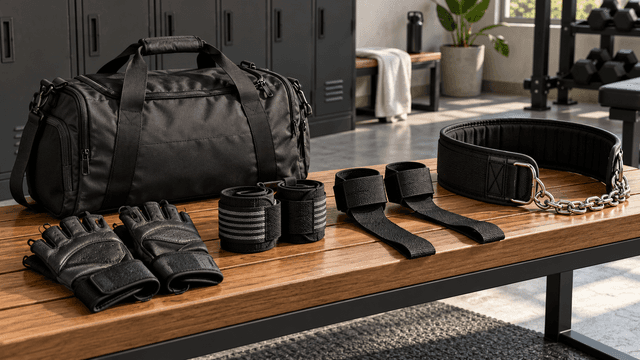
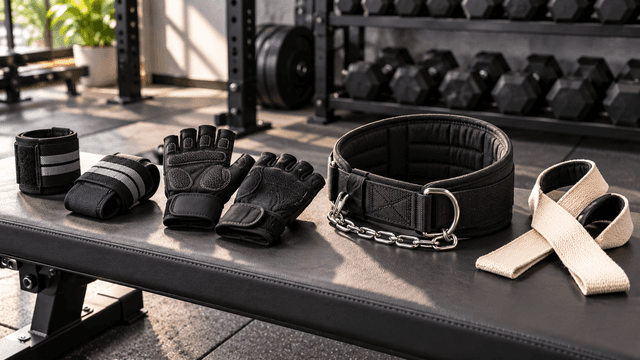
- Gym gloves
- Lifting straps
- Skipping rope
- Other personal exercise accessories
Dry accessories before prolonged storage.
If you carry electronics, place them in a separate dry section with suitable protection.
Where Should You Pack Wet Clothes Inside a Duffel Bag?
The ideal position depends on the bag’s construction.
Some duffels have a dedicated wet compartment.
Others contain only one large space.
If Your Bag Has a Wet Compartment
Use it according to the manufacturer’s instructions.
Check whether the compartment is water-resistant or merely separated by fabric.
Do not assume its lining is leakproof.
If Your Bag Has One Main Compartment
Use a suitable separate pouch for damp clothing.
Keep it away from electronics and clean garments.
If Your Bag Has a Shoe Compartment
Avoid assuming that the shoe compartment is automatically appropriate for wet clothing.
Some shoe sections are designed for ventilation rather than moisture containment.
A ventilated compartment may allow dampness or odors to reach other belongings.
If Your Bag Contains Electronics
Keep electronics in a protected dry compartment.
A separate wet pouch reduces direct contact but should not be treated as a guarantee against leaks.
How to Pack Sweaty Clothes After a Gym Workout
Not every workout leaves clothes completely soaked.
For example, a light strength-training session may produce only moderate sweat.
A practical routine is:
- Remove your used clothing after changing.
- Keep it separate from your clean clothes.
- Place it inside an appropriate washable pouch.
- Close the pouch for transport.
- Pack it away from sensitive belongings.
- Remove it when you reach home.
- Wash or dry it appropriately.
The most important step happens after the journey.
Do not forget the pouch inside the gym bag.
How to Pack Clothes After a Heavy Cardio Workout
Running, cycling, high-intensity interval training, and other demanding sessions can leave clothing heavily damp.
In such cases, moisture containment becomes more important.
Use a Suitable Wet Bag
Choose a pouch designed for the moisture level involved.
Keep Towels Separate if Necessary
A heavily soaked towel may make the remaining clothing even wetter.
If space permits, pack it in a separate suitable pouch.
Avoid Compressing Everything Together
Overpacking may make the wet bag difficult to close and can force moisture toward seams or openings.
Change Into Dry Clothes
If practical, change out of heavily damp clothing after your session.
Unpack Promptly
Remove wet garments as soon as practical.
Do not leave them compressed in a sealed bag overnight.
How to Pack Wet Swimwear and Towels
Swimming creates a different challenge because clothes and towels may contain much more water than ordinary sweaty sportswear.
Remove Excess Water
If the garment’s care instructions allow it, gently remove excess water before packing.
Avoid forceful twisting of delicate swimwear.
Use a Pouch Designed for Wet Items
Choose a bag suitable for wet swimwear rather than relying on an ordinary fabric compartment.
Separate Wet Towels
A large towel may retain substantial moisture.
Packing it separately can make the bag easier to organize.
Avoid Keeping Swimwear Sealed for Long Periods
Remove and rinse or wash swimwear according to its care label after your journey.
Dry Accessories Thoroughly
Goggles, swim caps, and other accessories should be maintained according to their instructions.
Avoid storing them indefinitely in a damp environment.
Should You Put Sweaty Clothes in a Plastic Bag?
A plastic bag can provide temporary separation during transport.
However, it has limitations.
An ordinary plastic bag may tear or leak.
Its opening may not seal properly.
It may also trap moisture when tied shut.
When a Plastic Bag May Be Useful
It can serve as a temporary solution when no dedicated wet pouch is available.
For example, you may use one during an unexpected rainy commute.
What to Avoid
Do not leave damp clothing tied inside a plastic bag for days.
Do not assume that thin plastic will prevent every leak.
Avoid placing sharp accessories in the same bag.
A Better Long-Term Routine
For frequent gym use, a reusable and appropriately washable wet-clothes pouch may offer greater convenience.
However, its usefulness still depends on prompt unpacking and proper cleaning.
Why You Should Not Leave Wet Clothes Sealed Overnight
A closed wet bag can help contain moisture temporarily.
However, it also restricts airflow.
If damp workout clothes remain inside for an extended period, moisture may stay trapped within fabric folds.
This can contribute to unwanted odors and complicate drying.
What If You Cannot Wash Clothes Immediately?
Remove the garments from the sealed pouch when practical.
Hang them in a suitable, well-ventilated location to dry.
Once they are dry, keep them separate from clean clothes until laundering.
What If the Clothing Already Smells Unpleasant?
Wash it according to its care label.
Avoid simply spraying perfume over the odor.
Fragrance does not remove accumulated sweat, oils, or other residues.
What If the Wet Bag Smells?
Clean and dry it according to the manufacturer’s instructions.
If the bag has a persistent odor or damaged lining, consider whether replacement is necessary.
Can Damp Gym Clothes Develop Mold or Mildew?
Persistent moisture can support microbial growth under suitable conditions.
However, the actual risk depends on the fabric, environment, contamination, temperature, and duration of exposure.
Not every damp garment develops mold.
Similarly, an unpleasant smell alone does not establish that mold is present.
Warning Signs That Need Attention
Check for:
- Visible suspicious spots
- Persistent musty odor
- Unusual discoloration
- Clothing that remains damp for an extended period
- Contamination that does not resolve through appropriate laundering
If clothing appears moldy or otherwise contaminated, handle it according to appropriate fabric-care and hygiene guidance.
Do not assume ordinary perfume or a quick rinse will resolve the issue.
For valuable or delicate garments, professional cleaning advice may be appropriate.
How to Prevent Gym Bag Odors
Preventing odors usually requires a combination of proper clothing management and bag maintenance.
Remove Used Clothing After Every Session
Do not allow damp clothing to accumulate in the bag.
Empty the Bag Regularly
Check for forgotten socks, towels, and accessories.
Small damp items can be easily overlooked.
Clean the Wet Compartment
Follow the bag manufacturer’s cleaning instructions.
Pay attention to seams, corners, and lining folds.
Allow the Bag to Dry
Open the bag in a suitable ventilated location after use.
Do not immediately seal it inside a storage cupboard if it remains damp.
Clean Reusable Wet Bags
Remove residue and allow complete drying between uses.
Keep Shoes Maintained
Shoes can develop odors independently of clothing.
Dry and clean them according to the manufacturer’s instructions.
Avoid Excessive Fragrance
Perfume sprays and scented products may temporarily mask unpleasant smells, but they do not replace cleaning.
How to Wash Sweaty Workout Clothes Properly
Packing is only the first part of clothing care.
After transport, the garments must be cleaned or otherwise maintained appropriately.
Step 1: Check the Care Label
Different athletic fabrics may require different washing temperatures and drying methods.
Follow the manufacturer’s instructions.
Step 2: Sort Clothing When Necessary
Separate garments according to fabric, colour, and care requirements.
Avoid washing delicate items using settings unsuitable for them.
Step 3: Use an Appropriate Detergent
Choose a laundry detergent suitable for the fabric and washing method.
Follow the recommended dosage.
Using excessive detergent can leave unwanted residue.
Step 4: Avoid Overloading the Washing Machine
Overloading can interfere with garment movement and proper rinsing.
Follow the machine manufacturer’s loading guidance.
Step 5: Follow Instructions for Fabric Softeners
Some technical sportswear manufacturers discourage fabric softeners because they may affect the performance of certain fabrics.
Check the garment label rather than applying one rule to every item.
Step 6: Dry the Clothes Appropriately
Follow the recommended air-drying or machine-drying method.
Ensure garments are thoroughly dry before storage.
Step 7: Store Clean Clothing Separately
Once clothing is washed and dry, keep it away from used workout garments.
Proper laundering cannot be replaced by deodorizing sprays or fragrance products.
Why Some Synthetic Workout Clothes Retain Odors
Many workout garments are made from synthetic fibres such as polyester, nylon, or blends.
These materials are commonly chosen for their durability, stretch, and moisture-management properties.
However, odor retention can vary according to fabric construction, surface properties, finishing treatments, and how the garments are laundered.
Common Contributors
- Body oils
- Sweat residues
- Inadequate washing
- Excessive detergent residue
- Delayed drying
- Repeated damp storage
- Fabric-specific odor retention
What Helps?
Follow the care label, wash garments appropriately, and avoid leaving them damp and compressed for prolonged periods.
If odors persist despite normal laundering, review the detergent and washing method.
Do not automatically increase washing temperature beyond the garment’s permitted limit.
Higher heat may damage certain stretch fabrics.
How to Clean a Gym Bag After Wet Clothes Leak
Even with careful packing, a pouch may leak or a wet towel may accidentally touch the bag lining.
A quick response can help prevent the moisture from remaining trapped.
Step 1: Remove Everything
Empty all compartments.
Check for damp clothes, shoes, electronics, towels, and accessories.
Step 2: Separate Damp Items
Remove and handle affected belongings according to their care instructions.
Check any electronic devices for moisture exposure.
Step 3: Inspect the Bag Interior
Look for damp spots along the base, lining, pockets, and seams.
Step 4: Follow the Bag’s Cleaning Instructions
Some fabric gym bags permit gentle wiping.
Others may allow handwashing or machine washing.
Do not assume every duffel bag can be machine-washed.
Step 5: Clean the Affected Area
Use an appropriate cleaning method and avoid soaking components that should remain dry.
Step 6: Dry Thoroughly
Keep compartments open in a suitable ventilated location.
Allow the lining and padded sections to dry completely.
Step 7: Inspect Before Repacking
Check for persistent moisture, unexpected odors, or material damage.
Do not return clean clothing to a bag that remains damp.
Can You Machine-Wash a Gym Bag?
Some gym bags are machine-washable, while others are not.
The correct method depends on the materials and construction.
A bag may contain:
- Water-resistant coatings
- Foam padding
- Reinforced bases
- Metal hardware
- Plastic structural panels
- Adhesives
- Insulated compartments
- Electronic components
Machine washing may damage some of these features.
Before Washing
Check the manufacturer’s care instructions.
Empty every compartment.
Remove detachable accessories where instructed.
If Machine Washing Is Permitted
Follow the recommended washing cycle, detergent, and drying method.
If Machine Washing Is Not Permitted
Use the manufacturer’s approved spot-cleaning or hand-cleaning method.
After Cleaning
Allow the bag to dry completely before storing or using it again.
Do not use direct high heat unless explicitly permitted.
How to Keep Shoes Separate From Wet Clothes
Workout shoes are often packed alongside used clothing.
However, shoes have their own moisture and hygiene considerations.
Use a Dedicated Shoe Compartment
If your gym bag has one, follow its intended use.
Consider a Shoe Pouch
A separate pouch can reduce contact between shoes and clean belongings.
Avoid Packing Wet Shoes Against Electronics
Even if the outer shoe surface appears dry, the inside may retain moisture.
Allow Shoes to Dry After Use
Remove them from the bag and follow the manufacturer’s drying instructions.
Avoid Direct High Heat
Some shoe materials, adhesives, and cushioning components can be affected by excessive heat.
Keep Muddy Shoes Separate
Outdoor shoes may carry dirt and debris.
Clean them appropriately before storage.
Packing Gym Gloves, Straps and Resistance Bands
Workout accessories can also become damp with sweat.
A dedicated equipment compartment helps keep them organized.
Gym Gloves
Remove sweaty gloves after exercise.
Clean and dry them according to the manufacturer’s instructions.
Do not leave them sealed beside wet clothes indefinitely.
Lifting Straps
Fabric straps can absorb sweat.
Allow them to dry and clean them as recommended.
Inspect stitching and load-bearing sections before reuse.
Resistance Bands
Wipe bands according to the manufacturer’s instructions when necessary.
Avoid storing them in contact with sharp items or unsuitable chemicals.
Skipping Ropes
Keep handles and ropes clean and dry.
Avoid tightly bending or damaging cables.
Electronic Accessories
Keep charging connections and powered equipment away from wet clothing.
Follow the device manufacturer’s instructions if moisture exposure occurs.
What to Do With Wet Workout Clothes During a Long Commute
Some people return home within a few minutes.
Others may spend an hour or longer commuting after a workout.
The basic principle remains the same: contain moisture during transport and unpack promptly afterward.
For a Short Commute
A suitable wet-clothes pouch may be sufficient.
Keep the pouch separate from dry belongings.
For a Longer Commute
Pay greater attention to the amount of moisture being carried.
Remove excess water from heavily wet items when appropriate.
Use a pouch designed for the intended level of moisture containment.
For Public Transport
Choose a compact, securely closed pouch that fits inside the main bag without leaking onto other belongings.
For Car Travel
Avoid leaving damp workout clothes inside a parked vehicle after reaching your destination.
For Office-to-Gym Routines
Keep clean work clothing and electronics in a protected dry compartment.
Unpack used workout clothes when you return home.
There is no single safe maximum transport duration that applies to every garment and environment.
The practical goal is to avoid unnecessarily prolonged damp storage.
How to Pack Workout Clothes for Overnight Travel
Overnight travel introduces additional challenges because laundry facilities may not always be available.
A sensible packing routine is especially important.
Pack a Separate Used-Clothes Pouch
Keep worn garments away from fresh clothing.
Do Not Seal Damp Clothing for the Entire Trip
If clothes are wet, remove them and allow them to dry in an appropriate location when possible.
Follow Accommodation Rules
Do not hang dripping clothes over furniture or surfaces that may be damaged.
Use appropriate drying areas.
Keep Shoes and Toiletries Separate
Avoid placing wet clothing beside leaking toiletries or damp shoes.
Carry Only What You Need
Packing several sets of heavily damp clothing in one small pouch can make moisture management difficult.
Launder When Practical
If the trip is extended, consider suitable laundry facilities.
Check Before Returning Home
Do not repack wet clothes for several days without evaluating their condition.
How to Pack Workout Clothes During the Monsoon
Rainy weather creates additional moisture challenges.
Clothes may become wet before or after exercise, and drying conditions may be less favourable.
Protect Fresh Clothes
Use an appropriate dry compartment or suitable protective pouch.
Separate Rain-Soaked Clothing
Do not place dripping garments directly into the bag.
Avoid Overfilled Wet Pouches
Heavily wet fabric may require more space and better moisture containment.
Check Your Shoes
Rainwater may soak footwear and insoles.
Follow the manufacturer’s cleaning and drying instructions.
Unpack Immediately When Practical
Humidity can slow drying.
Move clothing to a suitable ventilated location rather than leaving it compressed.
Allow the Gym Bag to Dry
Check the base, straps, and lining for moisture.
A bag that looks dry externally may still contain damp sections.
A Practical Gym Bag Packing Checklist
An effective gym bag does not need dozens of compartments.
A few sensible packing decisions are usually sufficient.
Before Leaving for the Gym
- Pack clean workout clothes.
- Add a clean towel.
- Carry fresh socks if needed.
- Include a suitable empty wet-clothes pouch.
- Keep electronics in a dry compartment.
- Pack shoes separately where practical.
- Check that toiletries are securely closed.
- Make sure the gym bag itself is dry.
After the Workout
- Change out of damp clothing when practical.
- Keep used clothes separate from clean items.
- Place damp clothing into the designated pouch.
- Pack wet towels separately if needed.
- Keep electronics away from moisture.
- Close the wet pouch securely.
- Avoid overfilling the pouch.
- Transport the clothing without unnecessary delay.
After Reaching Home
- Remove used clothes from the gym bag.
- Wash or air-dry them appropriately.
- Empty the wet-clothes pouch.
- Clean and dry the pouch.
- Remove damp shoes and accessories.
- Check the gym bag for moisture.
- Clean the lining when necessary.
- Allow the bag to dry completely.
- Repack only with clean, suitable items.
Common Gym Bag Packing Mistakes
Mistake 1: Putting Sweaty Clothes Directly Beside Clean Clothes
Moisture and residue may transfer between garments.
Better approach: Separate used clothing in an appropriate pouch.
Mistake 2: Assuming a Shoe Compartment Is Waterproof
Some shoe compartments provide ventilation rather than moisture containment.
Better approach: Check the bag’s specifications.
Mistake 3: Leaving Wet Clothes Sealed Overnight
A sealed pouch restricts drying.
Better approach: Remove and dry or launder clothing promptly.
Mistake 4: Packing Dripping Towels Without Removing Excess Water
Large amounts of moisture can make leakage more likely.
Better approach: Gently remove excess water when permitted by the fabric-care instructions.
Mistake 5: Overfilling the Wet Bag
Excess fabric can interfere with closures.
Better approach: Choose an appropriately sized pouch.
Mistake 6: Forgetting to Clean the Wet Bag
Reusable pouches can accumulate residue.
Better approach: Clean and dry them according to manufacturer guidance.
Mistake 7: Storing Electronics Beside Damp Clothing
Accidental moisture exposure can damage sensitive items.
Better approach: Use a protected dry compartment.
Mistake 8: Masking Odors With Fragrance
Scented products do not remove accumulated residue.
Better approach: Launder clothes and clean the bag appropriately.
Mistake 9: Packing Damp Shoes Without Drying Them Later
Moisture may remain trapped inside footwear.
Better approach: Remove shoes after use and follow their drying instructions.
Mistake 10: Repacking the Gym Bag Before It Dries
A damp lining may transfer moisture to fresh belongings.
Better approach: Allow complete drying before the next use.
Troubleshooting Common Wet-Clothes Packing Problems
Problem: My Gym Bag Smells Even After Removing the Clothes
Possible cause: Moisture or residue remains in the lining, pockets, or seams.
What to try: Clean the bag according to its instructions and allow complete drying.
Problem: My Wet Bag Leaks
Possible cause: The material, seams, or closure may not be suitable for the amount of water.
What to try: Remove excess moisture and choose a pouch appropriate for the intended use.
Problem: My Clean Clothes Feel Damp
Possible cause: Moisture has transferred through the pouch or an unprotected compartment.
What to try: Improve separation and check the condition of the wet bag.
Problem: My Workout Clothes Smell After Washing
Possible cause: Residual body oils, inadequate cleaning, detergent buildup, or fabric-related odor retention.
What to try: Review the garment-care instructions, detergent use, and washing method.
Problem: My Gym Bag Takes Too Long to Dry
Possible cause: Thick padding, limited ventilation, or moisture retained in compartments.
What to try: Open the compartments and dry the bag according to its manufacturer’s instructions.
Problem: My Shoes Become Damp Inside the Duffel
Possible cause: Contact with wet clothes or moisture already present in the shoes.
What to try: Use separate compartments and dry footwear appropriately after exercise.
Problem: My Wet Pouch Develops an Unpleasant Smell
Possible cause: Residue or insufficient drying between uses.
What to try: Clean and fully dry the pouch. Replace it if damage or persistent contamination makes it unsuitable.
Frequently Asked Questions
1. How should I pack sweaty gym clothes?
Place used clothing inside a suitable separate pouch or wet compartment during transport.
Remove it promptly afterward and wash or dry it according to its care instructions.
2. Can I put wet workout clothes in a plastic bag?
A plastic bag can provide temporary separation, but it may tear or leak.
Avoid leaving damp clothing sealed inside for extended periods.
3. What is the best bag for wet workout clothes?
A washable, appropriately sized wet bag with suitable moisture-resistant construction and a secure closure is a practical choice.
Check the manufacturer’s claims and care instructions.
4. Are gym bag wet compartments waterproof?
Not always.
Some compartments are water-resistant, while others simply separate belongings.
Check the product specifications.
5. Can I leave sweaty clothes in my gym bag overnight?
It is better to remove damp clothing promptly.
Prolonged sealed storage can contribute to unpleasant odors and prevent proper drying.
6. How do I prevent my gym bag from smelling?
Separate used clothes, unpack promptly, clean the bag according to its instructions, and allow all compartments to dry thoroughly.
7. Should I wash gym clothes immediately after exercise?
Prompt laundering is practical, but if washing is not possible immediately, remove damp clothes from sealed storage and allow them to dry appropriately.
8. Can wet workout clothes damage electronics?
Moisture can damage certain electronic devices and accessories.
Keep electronics separate from damp clothing and follow device-specific precautions.
9. Can I use a dry bag for gym clothes?
Some dry bags may provide suitable temporary moisture containment.
Check their intended use, construction, and cleaning instructions.
Do not assume they are suitable for prolonged storage of damp garments.
10. Should I pack wet towels separately?
It can be useful, particularly when towels contain substantially more water than the rest of your clothing.
11. Why do polyester gym clothes sometimes smell after washing?
Synthetic fabric properties, retained body oils, washing practices, and other factors can contribute.
Follow garment-care guidance and review the washing method.
12. Should I use fabric softener on workout clothes?
Check the care label.
Some technical sportswear manufacturers discourage fabric softeners because they may affect certain fabric properties.
13. Can I wash a gym bag in the washing machine?
Only if the manufacturer permits it.
Some bags contain coatings, padding, or structural parts that may be damaged by machine washing.
14. How do I dry a gym bag?
Open its compartments and follow the manufacturer’s drying guidance.
Avoid excessive heat unless the product specifically permits it.
15. How often should I clean my wet bag?
Clean it regularly according to its use and manufacturer instructions.
Allow it to dry completely between uses.
16. Can I store wet clothes with shoes?
It is generally better to separate them, particularly when shoes need to remain dry or clean.
17. What should I do with sweaty clothes during a long commute?
Use a suitable temporary wet-clothes pouch and unpack the garments as soon as practical.
18. How can I keep gym clothes fresh during monsoon season?
Focus on prompt unpacking, suitable laundering, complete drying, and keeping the gym bag itself dry.
Fragrance alone does not replace these steps.
19. Is a waterproof wet bag better than a water-resistant one?
A waterproof design may offer greater moisture containment when properly constructed, but the specific seams, closure, and intended use matter.
Choose according to how wet your clothing normally becomes.
20. Do I need a special gym bag with a wet compartment?
No.
A regular gym bag with an appropriately chosen separate wet-clothes pouch can be a practical solution.
Final Thoughts
Packing wet workout clothes properly is a simple habit that can make your gym routine more organized and easier to maintain.
The main objective is to prevent damp garments from transferring moisture to clean clothing, footwear, electronics, and the gym bag itself.
A dedicated wet-clothes pouch or suitable compartment can help during transport.
However, moisture-resistant storage is only a temporary solution.
Once you reach home, remove the damp items, wash or dry them appropriately, and allow the pouch and gym bag to dry before the next use.
If you exercise frequently, establish a consistent system with separate spaces for clean clothes, used garments, shoes, and sensitive belongings.
Choose accessories according to your actual needs rather than assuming that a more expensive or heavily compartmentalized bag will automatically work better.
The most effective routine is straightforward: separate damp clothing, transport it securely, unpack it promptly, and never treat a sealed wet bag as permanent storage.
These small steps can help keep your gym essentials organized, reduce unnecessary moisture exposure, and make your post-workout routine considerably more manageable.
Physical Glow editorial note: This article provides general clothing-care, gym organization, and product-maintenance information. Follow garment, gym bag, and accessory manufacturer instructions. If clothing or personal belongings become visibly contaminated, use appropriate cleaning methods rather than relying on fragrance or drying alone.