Top 5 Treadmills in India: Best Picks for Walking & Home Cardio
Compare five treadmill and walking-pad options for home cardio, from compact walking setups to more capable running-focused machines.
A treadmill can make regular walking and cardio much easier when weather, traffic or limited outdoor space make consistent exercise difficult. But home treadmills vary widely: a compact walking pad serves a very different user from a machine intended for faster running and more demanding sessions.
For this Physical Glow ranking, we compared five shortlisted treadmill options across intended use, space requirements, walking-versus-running suitability, training flexibility and overall fit for a home environment. The shortlist includes both compact walking-focused equipment and more conventional treadmills, so the right choice depends on how hard you plan to train and how much space you can dedicate to the machine. We do not treat marketplace popularity or changing sale prices as proof that one model is better than another, and we do not claim hands-on testing where it has not been performed.
Affiliate disclosure: Physical Glow may earn a commission when you purchase through links on this page, at no additional cost to you. Our editorial ranking is independent of affiliate relationships.
Our Top 5 Treadmills at a Glance
Here’s a quick comparison of our five picks, including which home-cardio use case each machine is best suited for.
How We Chose These Treadmills
A treadmill should be selected around how you will actually use it. A compact walking pad can be excellent for daily steps but is not automatically the right choice for regular running. Likewise, a larger treadmill may offer more training capability but demand more floor space and a more permanent setup.
Walking vs running
The first question is whether you mainly want brisk walking, light jogging or sustained running. Walking-focused machines can be smaller and easier to store, while running generally benefits from a more substantial platform and a machine designed for higher training demands.
Space and storage
Home cardio equipment occupies more room than most fitness accessories. Measure the intended workout area, but also consider the space needed to get on and off safely. Foldability or a low-profile walking-pad design can be valuable in apartments or multipurpose rooms.
Speed and training range
A wider speed range gives more room to progress from comfortable walking to faster sessions. If your goal is primarily daily movement and step accumulation, maximum speed matters less than stability, convenience and whether the treadmill is easy enough to use consistently.
Incline and workout variety
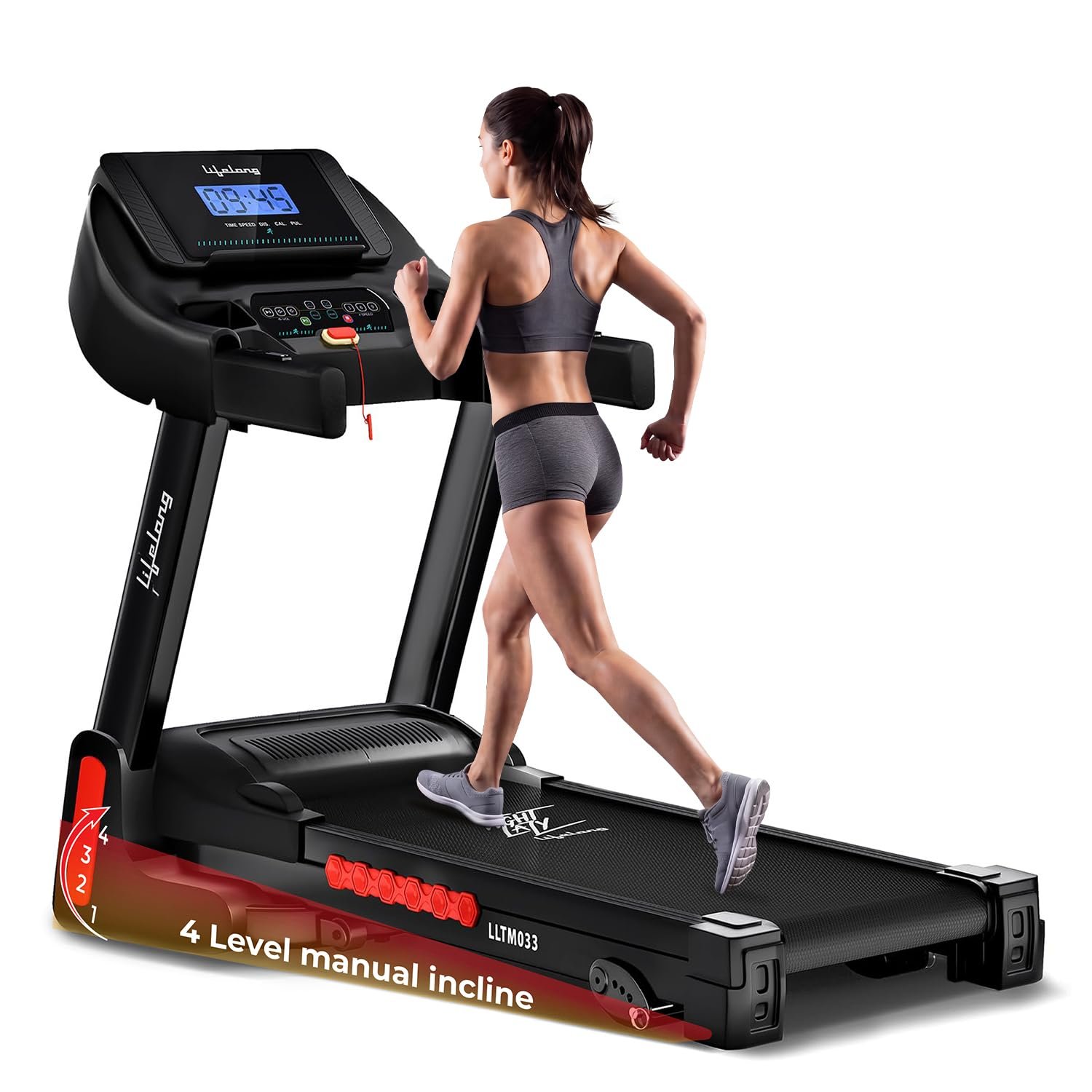
Incline can increase the challenge of walking without requiring running speed. If incline training matters to you, check whether it is available and whether adjustment is manual or powered. Do not assume every compact treadmill or walking pad includes it.
User fit and stability
Maximum supported user weight, belt dimensions and overall machine construction matter for comfort and safety. Taller users and people with a longer running stride may need more deck space than someone primarily using a treadmill for moderate walking.
Walking Pad or Traditional Treadmill?
Choose a walking pad for compact daily movement
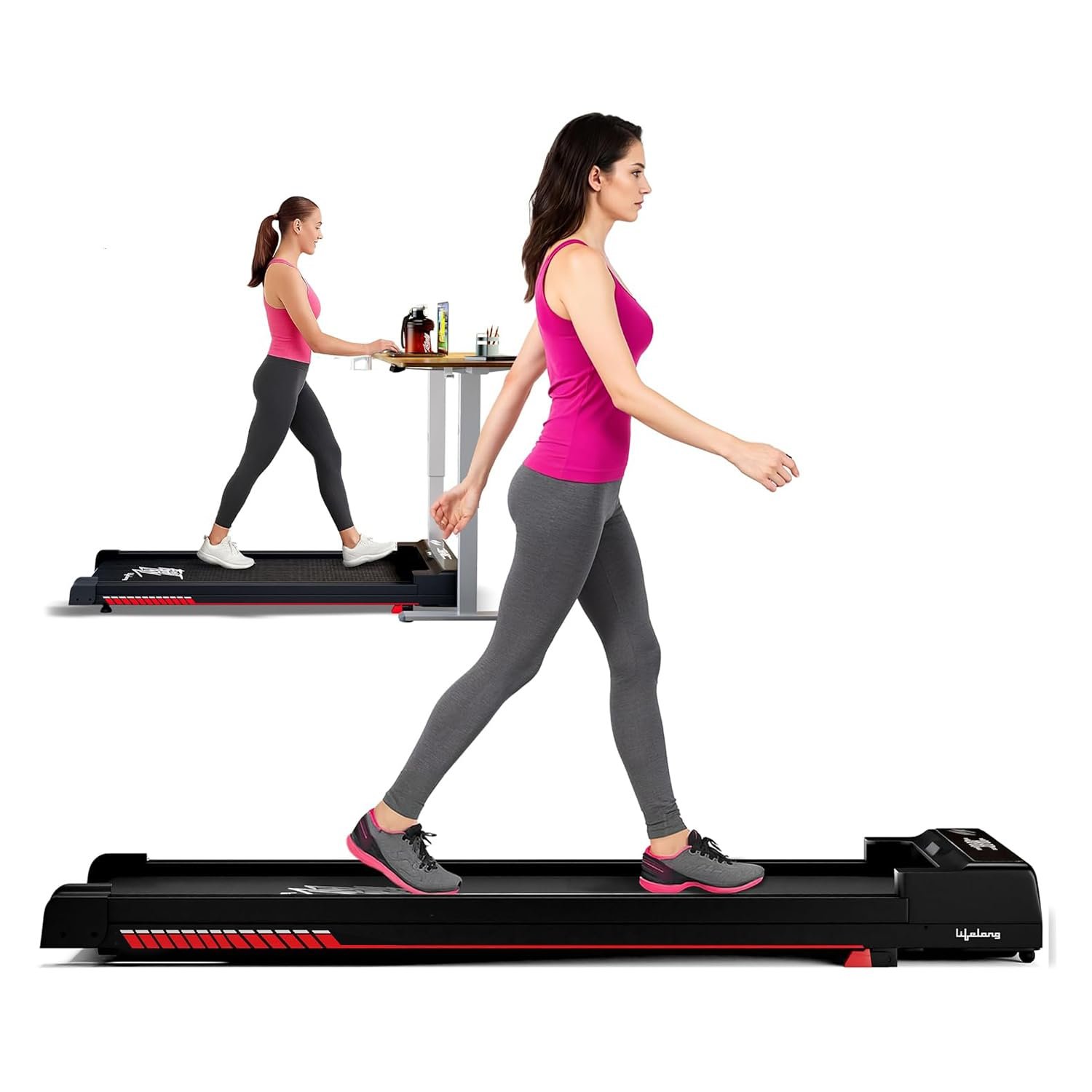
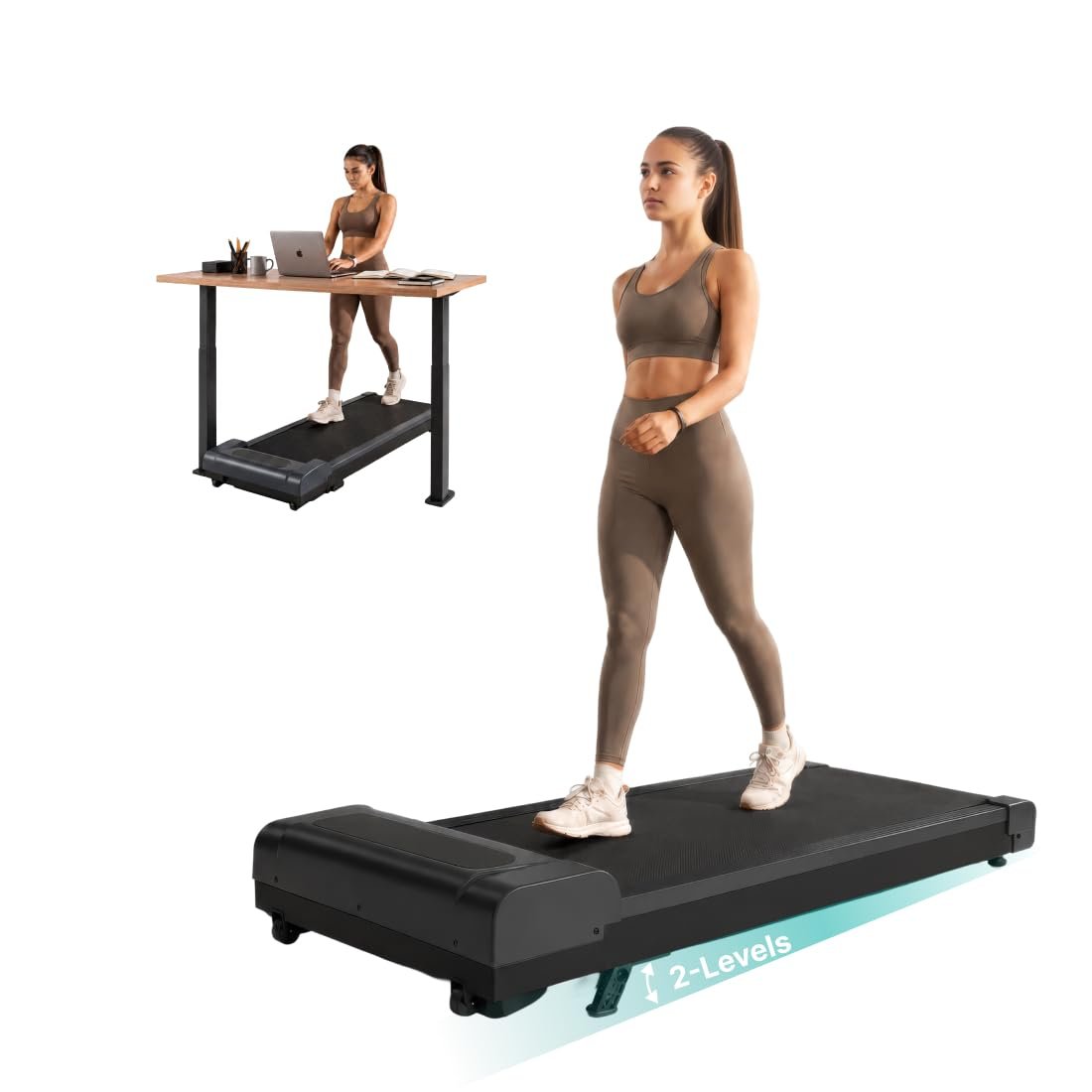
Walking pads make sense when your main goal is increasing daily activity in a limited space. Their compact design can make storage easier and may fit naturally into a home-office routine, depending on the model and your workspace.
Choose a traditional treadmill for broader cardio training
A conventional treadmill is usually the stronger choice when you want a wider training range, more substantial handrails and a setup intended for longer or faster workouts. It requires more space but can support a broader progression from walking to jogging and running.
How Much Space Do You Need?
Do not measure only the treadmill itself. Allow room around the machine for safe entry, exit and ventilation, and follow the manufacturer’s clearance guidance. Consider ceiling height as well if you are tall or intend to use incline.
If the treadmill folds, check its dimensions both open and stored. A machine is only truly space-saving if you can move and store it comfortably in your home.
Motor, Speed and User Weight
These specifications matter, but they should be interpreted together. Motor claims alone do not tell you whether a treadmill will feel appropriate for your bodyweight, pace and session duration. Use the current manufacturer specifications to confirm the machine is suitable for your intended training.
If you plan to run regularly, pay particular attention to the treadmill’s intended running use, speed range, deck size and supported user weight rather than choosing only by headline motor numbers.
Do You Need Incline?
Incline is useful when you want to make walking more challenging without increasing speed dramatically. It can also add variety to steady-state cardio. However, a treadmill without incline can still be a useful tool if your main goal is walking consistency, basic cardio or indoor step accumulation.
Noise and Home Placement
Treadmill noise comes from the motor, belt, foot strike and vibration transmitted through the floor. Apartment users should think carefully about placement and consider suitable protective flooring where appropriate. A mat may help protect floors and reduce some vibration, but it cannot make a treadmill silent.
Mistakes to Avoid When Buying a Treadmill
- Buying without measuring the room: include clearance, not just machine dimensions.
- Choosing a walking pad for serious running: buy for your intended training intensity.
- Ignoring supported user weight: stay within the manufacturer’s stated limits.
- Focusing on motor numbers alone: speed, deck size, stability and intended use matter too.
- Forgetting delivery and assembly: larger treadmills can be difficult to move through stairs and doorways.
Frequently Asked Questions
Is a treadmill good for weight loss?
A treadmill can support a calorie-burning exercise routine through walking, jogging or running. Body-weight change still depends on overall energy balance, nutrition, activity and consistency rather than the treadmill alone.
Is a walking pad enough for daily cardio?
For people whose main goal is regular walking and increasing daily activity, a walking pad can be very useful. If you want running, incline training or broader workout progression, a conventional treadmill may be more appropriate.
Can I use a treadmill every day?
Many people walk regularly, but training frequency should suit your fitness level, recovery and any relevant medical or musculoskeletal considerations. Increase volume gradually rather than suddenly adding long or intense sessions.
What treadmill size is best for home?
The best size is the one that safely fits both your body and your available room. Check current deck dimensions, machine dimensions and clearance recommendations before ordering.
Do treadmills use a lot of electricity?
Electricity use varies by motor, speed, user weight and workout duration. Check the model’s electrical specifications if running cost or circuit requirements are important for your home.
Should beginners walk or run on a treadmill?
Walking is often the easiest starting point. Beginners can gradually increase duration, speed or incline as fitness improves rather than rushing into high-impact running.
Final Verdict
The Durafit91 Vigor Pro is our Best Overall pick for buyers looking for a more capable home-cardio treadmill rather than a walking-only solution.
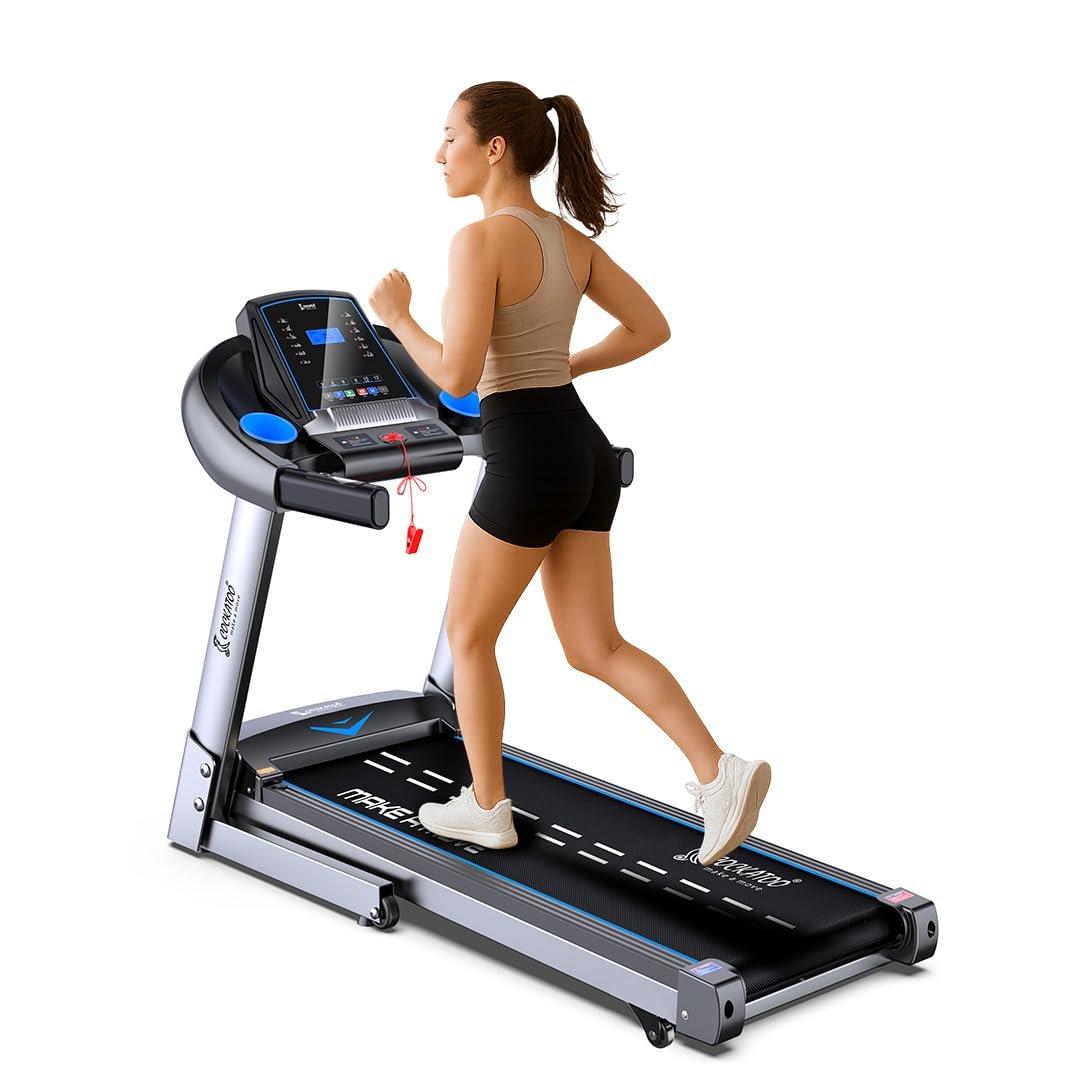
The Cockatoo SmartRun is another strong option for users who want a conventional home treadmill, while the Lifelong Fit Pro offers an accessible everyday home-cardio format. The Fitkit Walking Pad is the specialist pick for compact walking-focused use, and the Lifelong treadmill rounds out the shortlist for buyers seeking a straightforward starting point.
Choose based on your real training plan. If your goal is daily steps and compact storage, a walking pad may be enough. If you want jogging or running progression, prioritise a treadmill designed for that use, with enough deck space, speed range and user-weight capacity for your needs.