Top 5 Yoga Mats in India: Best Picks for Home Workouts & Yoga
Compare five yoga mats for grip, cushioning, thickness, material and portability, with practical picks for yoga, Pilates and home workouts.
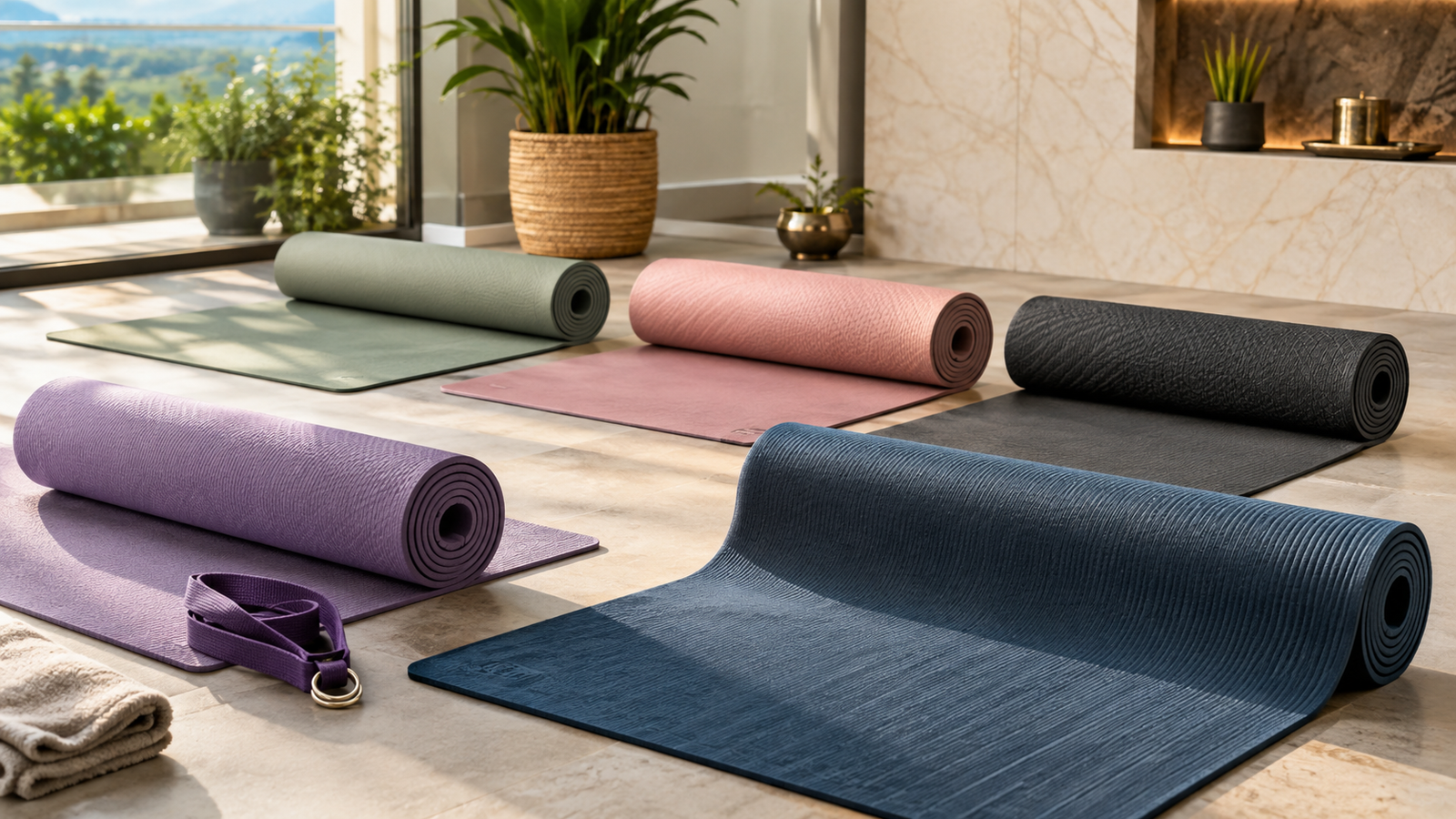
Choosing a yoga mat is not only about picking a colour or buying the thickest option. The right mat should give you enough cushioning for comfort, enough stability for standing poses, a surface that feels secure under your hands and feet, and a size that suits the way you practise.
For this Physical Glow ranking, we compared five shortlisted yoga mats across thickness, material, grip, cushioning, portability and suitability for yoga, stretching, Pilates and home workouts. We considered the available product information and intended use for each mat, without treating marketplace popularity or a changing sale price as proof that one option is better than another. We also do not claim hands-on testing where it has not been performed.
Affiliate disclosure: Physical Glow may earn a commission when you purchase through links on this page, at no additional cost to you. Our editorial ranking is independent of affiliate relationships.
Our Top 5 Yoga Mats at a Glance
Here’s a quick comparison of our five picks, including what each yoga mat is best suited for and the key differences to consider before you buy.
How We Chose These Yoga Mats
There is no single yoga mat that is best for every person. A mat that feels comfortable for slow stretching may feel too soft for balance-focused practice, while a firmer mat that feels stable in standing poses may not provide enough padding for someone with sensitive knees.
We therefore ranked these mats using a practical set of decision factors rather than one headline specification.
Thickness and cushioning
Thickness affects both comfort and stability. The 6 mm mats in this shortlist sit in a conventional everyday range that can work well for yoga and general floor exercise. The Adidas mat adds a little more cushioning at 8 mm, while the Amazon Basics 13 mm NBR mat is the clear choice for people who prioritise padding for knees, elbows, stretching or floor-based workouts.
Grip and stability
A yoga mat needs to resist unwanted movement on the floor and provide a surface that helps your hands and feet feel secure. We gave preference to mats whose product information specifically describes textured or anti-slip surfaces, while recognising that real-world grip can still vary with floor type, moisture, cleaning and individual technique.
Material and feel
EVA is common in lightweight exercise mats because it can provide cushioning without making the mat difficult to carry. TPE is often used where manufacturers want a combination of flexibility and surface grip. NBR is typically softer and more heavily cushioned, which makes it attractive for floor exercise but potentially less appealing to people who prefer a firmer connection with the ground.
Portability
If your mat stays in one room, carrying accessories may not matter. If you take it to a yoga class, gym, terrace or outdoor practice, a strap or bag becomes far more useful. Weight, rollability and ease of storage therefore matter alongside thickness.
Use beyond yoga
Many buyers want one mat for yoga, mobility work, Pilates, stretching and bodyweight exercise. We favoured products that make sense across several of these uses, while still identifying where a specialised characteristic—such as extra cushioning—may be the main reason to choose a particular mat.
Which Yoga Mat Is Best for You?
Choose a balanced mat if you do a mix of yoga and home workouts
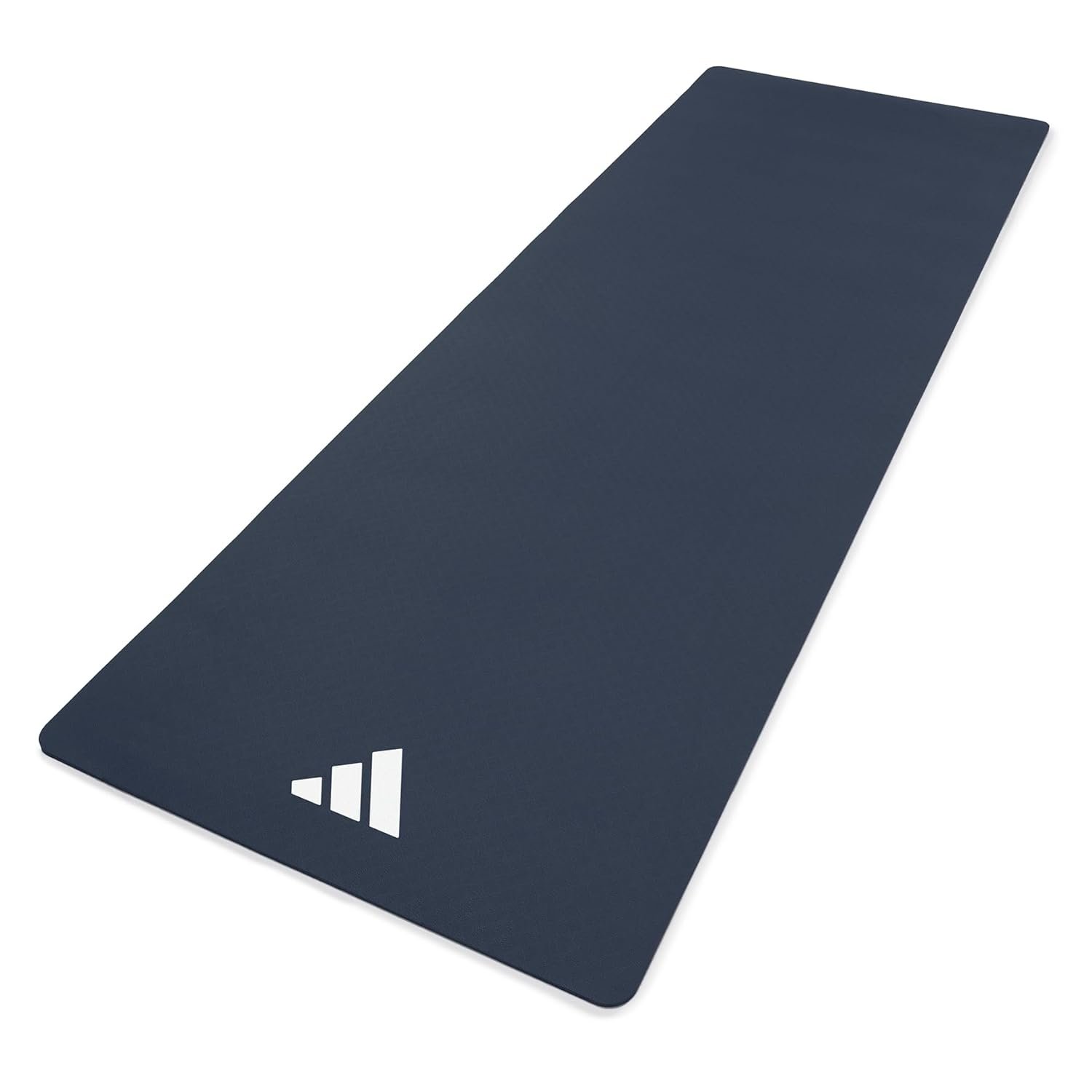
For most people who want one mat for a combination of yoga, Pilates and general floor exercise, a moderate thickness is the safest starting point. That is why the Adidas 8 mm mat takes our Best Overall position: it sits between the conventional 6 mm options and the much softer 13 mm alternative, while its stated EVA + TPE construction and non-slip texture make it a versatile all-round choice.
Choose 6 mm if you want a familiar everyday yoga feel
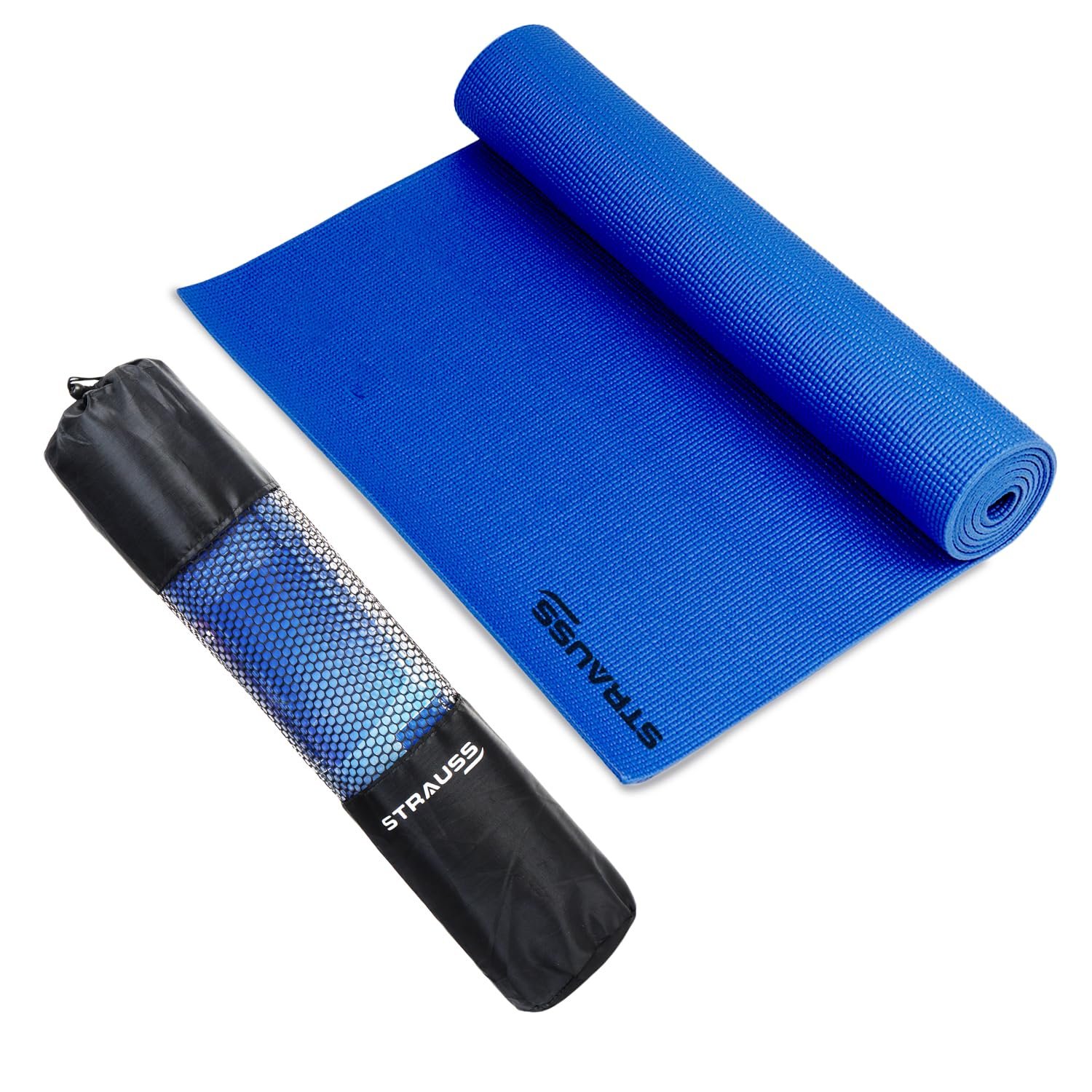
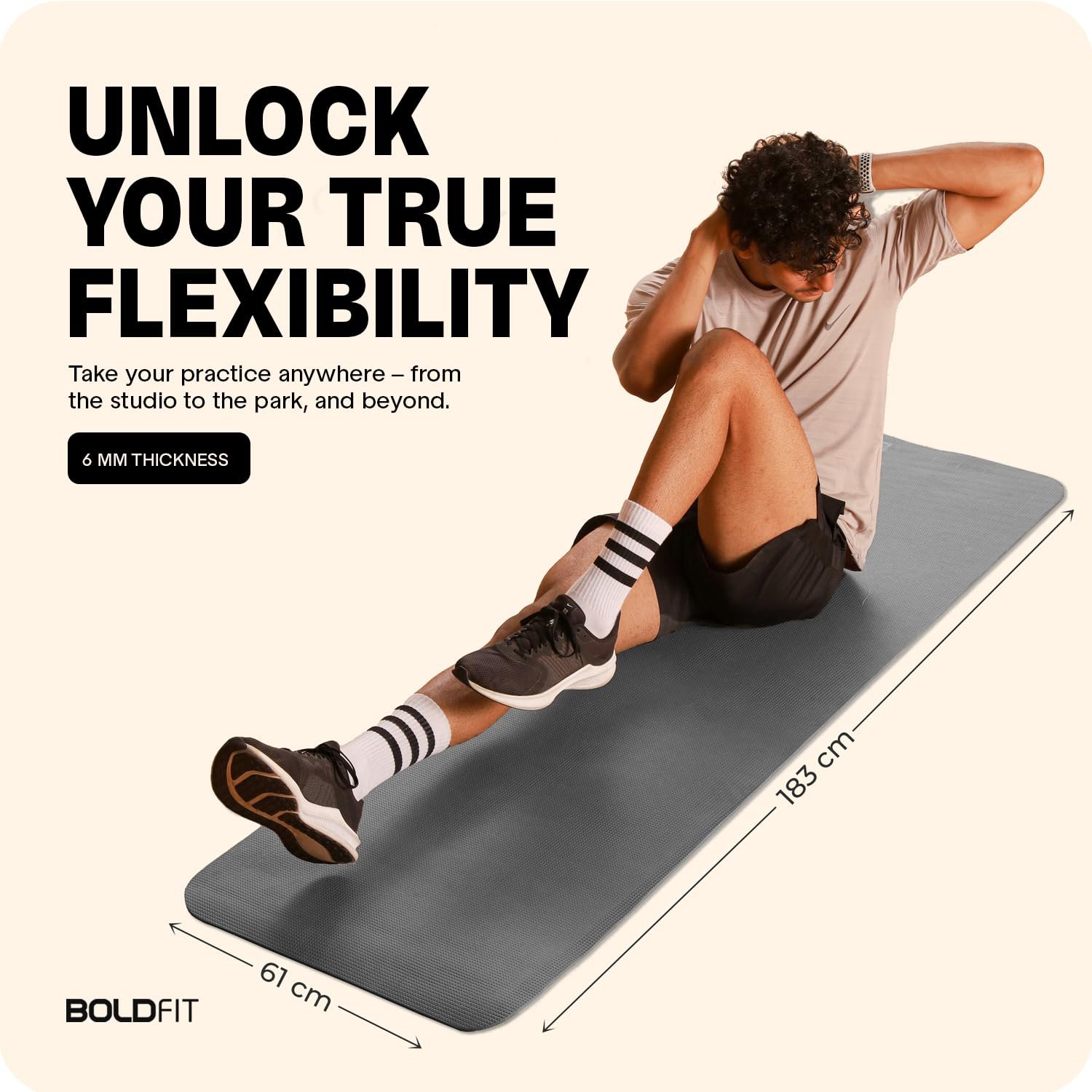
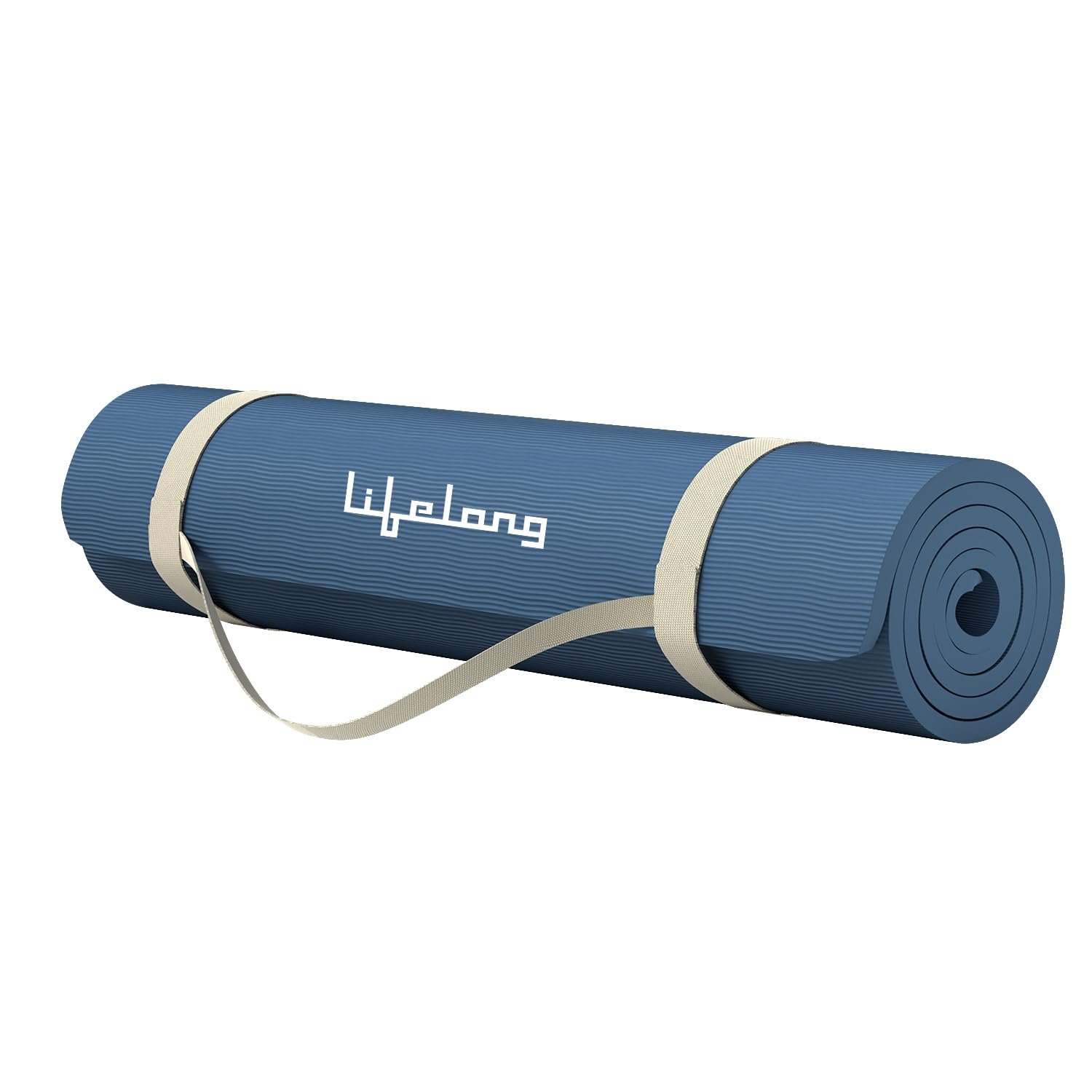
A 6 mm mat can provide useful cushioning without feeling excessively soft underfoot. The STRAUSS, Boldfit and Lifelong options all sit in this range, making them practical choices for regular home practice, stretching and general exercise. The differences then come down to carrying accessories, surface design, overall construction and how much emphasis you place on portability.
Choose extra thickness if joint comfort matters most
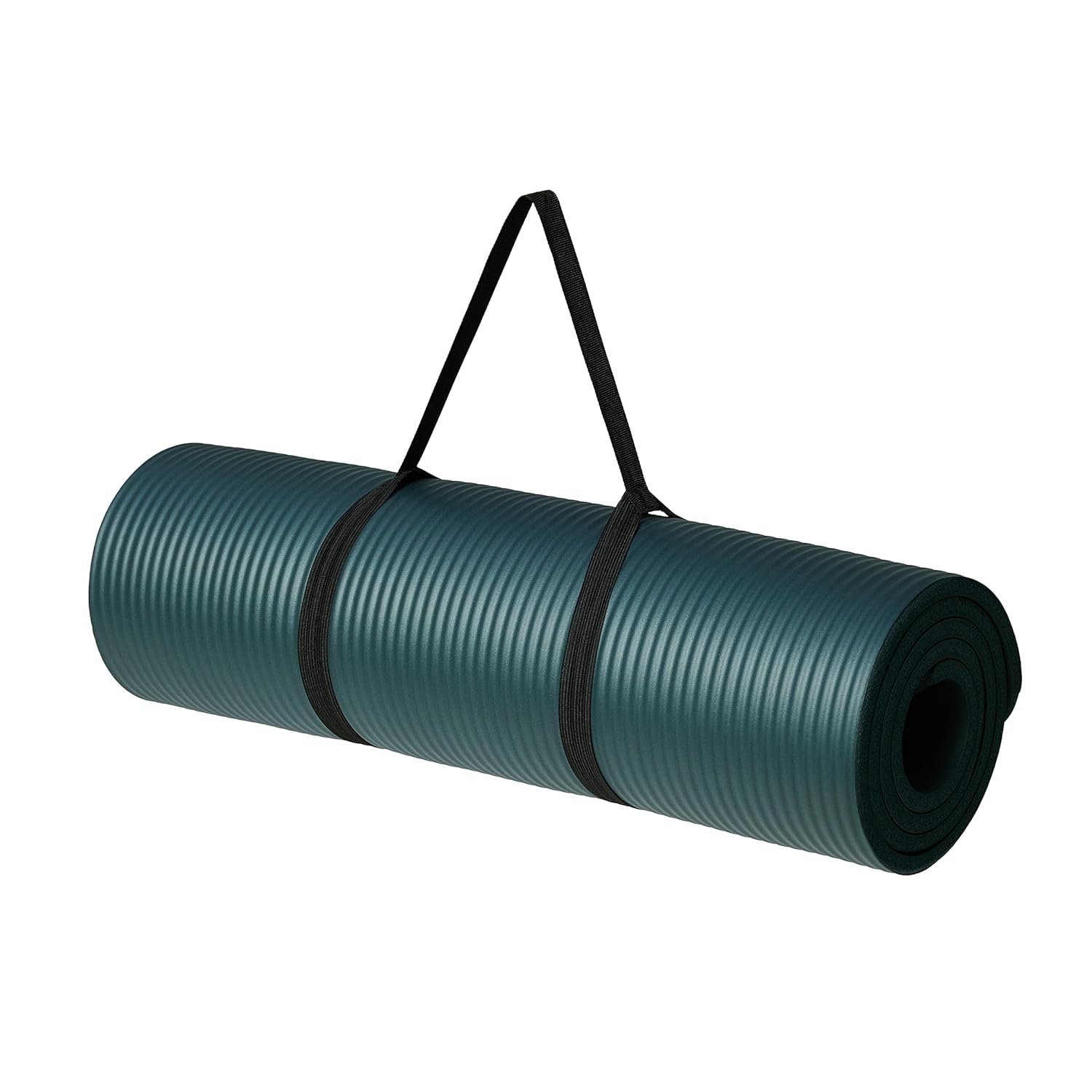
The Amazon Basics 13 mm NBR mat is the outlier in this group. Its extra thickness can be particularly useful when your knees, elbows, hips or back spend a lot of time in contact with a hard floor. The trade-off is that a softer mat may feel less planted during balance-heavy standing work.
Think about where you will actually use the mat
A mat used exclusively at home can be thicker and bulkier without causing much inconvenience. A mat carried to classes several times a week should be easy to roll, store and transport. If portability matters, pay attention to straps, bags and overall bulk rather than thickness alone.
What Thickness of Yoga Mat Should You Buy?
There is no universal answer, but the following framework is useful:
- Around 4–6 mm: a common range for everyday yoga, stretching and home workouts where you want a balance of cushioning and stability.
- Around 8 mm: useful when you want noticeably more padding without moving into an extra-thick exercise-mat feel.
- Around 10–13 mm or more: better suited to buyers who prioritise cushioning for floor-based exercise, Pilates, mobility work or sensitive joints, with a possible trade-off in balance feedback.
Your floor also matters. A mat used on hard tile or stone may feel very different from the same mat used over wooden flooring or carpet.
EVA vs TPE vs NBR Yoga Mats
EVA
EVA mats are generally lightweight and easy to roll, which is one reason the material is common in accessible home-workout mats. It is a practical choice when portability and straightforward cushioning matter.
TPE
TPE is often used in mats positioned around flexibility, comfort and grip. Material alone does not determine quality, however; texture, density and overall construction still matter. The Adidas mat in this ranking combines EVA and TPE rather than relying on a single material.
NBR
NBR mats tend to emphasise softness and cushioning. That makes them useful for floor exercises and users seeking more padding, but they can feel less firm than thinner yoga-focused mats. The Amazon Basics 13 mm mat is the clearest example in this shortlist.
Grip Matters More Than Thickness Alone
It is easy to focus on millimetres because thickness is simple to compare, but grip can have a larger effect on confidence during practice. Look for a textured surface, a base designed to resist movement and a mat that suits your floor.
Keep the surface clean as well. Dust, sweat, body oils and cleaning-product residue can all affect how secure a mat feels. Follow the manufacturer’s care instructions and allow the mat to dry fully before rolling it for storage.
Yoga Mat Size and Portability
Most people should choose a mat long enough to accommodate their body comfortably during lying and floor-based positions. Width also affects how much room you have for movement. The mats in this shortlist generally follow familiar full-size exercise-mat proportions, but check the latest listed dimensions before buying if size is especially important to you.
If you travel with your mat, remember that thicker does not always mean better. A mat that is comfortable but inconvenient to carry may end up being used less often.
Mistakes to Avoid When Buying a Yoga Mat
- Buying only by thickness: cushioning matters, but excessive softness can reduce stability for some styles of yoga.
- Ignoring your floor: the same mat can behave differently on tile, wood and carpet.
- Assuming “anti-slip” eliminates all movement: grip still depends on moisture, cleanliness, surface texture and technique.
- Choosing a bulky mat for frequent travel: consider how often you will actually carry it.
- Using marketplace ratings as the only quality signal: specifications, intended use and fit for your own practice are more useful decision factors.
Frequently Asked Questions
Is a 6 mm yoga mat thick enough?
For many users, yes. A 6 mm mat can provide a useful balance between cushioning and stability for yoga, stretching and general home exercise. People with sensitive knees or those doing more floor-based work may prefer additional padding.
Is a 13 mm yoga mat too thick?
Not necessarily. It depends on your priority. A 13 mm mat can feel very comfortable for floor exercises, stretching and Pilates. For standing balance work, some people may prefer a thinner and firmer mat because it provides more direct feedback from the floor.
Can I use a yoga mat for home workouts?
Yes, particularly for stretching, mobility, Pilates, core work and bodyweight exercises performed on the floor. A yoga mat should not be assumed to replace dedicated protective flooring for heavy equipment or high-impact training.
Which yoga mat material is best?
There is no single best material. EVA can be lightweight and practical, TPE is commonly used for flexible and grippy mat designs, and NBR often prioritises cushioning. The best choice depends on how you train and what you value most.
How often should I clean my yoga mat?
Clean it as often as needed based on how frequently you practise and how much you sweat. Follow the manufacturer’s care instructions, avoid harsh chemicals unless specifically permitted, and let the mat dry fully before rolling it.
Should beginners buy the thickest yoga mat?
No. Beginners should focus on a comfortable balance of cushioning, grip and stability. A moderate 6–8 mm mat can be easier to use across different types of yoga and home exercise than an extremely soft mat.
Final Verdict
The Adidas ADYG-10100BL 8 mm is our Best Overall pick because it offers the most balanced specification set in this shortlist for yoga, Pilates and general floor exercise. Its 8 mm thickness provides more cushioning than the 6 mm options while remaining more yoga-oriented than the 13 mm NBR mat.
STRAUSS is a strong choice for people who regularly carry their mat to classes, while Amazon Basics is the standout for extra cushioning. Boldfit provides a straightforward 6 mm option for everyday home workouts, and the Lifelong LLYM72 is a practical lightweight starter mat.
The right choice ultimately depends on your floor, your preferred style of exercise and how much cushioning you actually need. Choose the mat that fits your practice rather than simply buying the thickest or most expensive option.