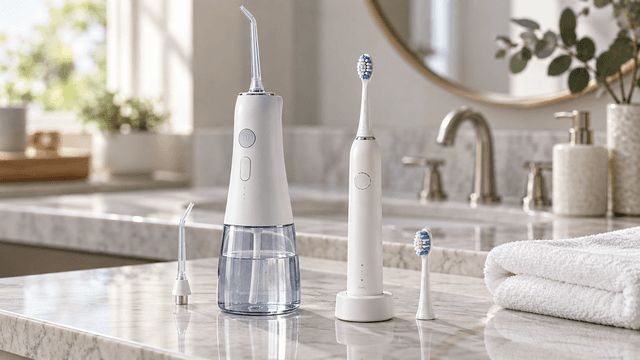
Water Flosser vs Toothbrush: How They Fit Into Oral Care
Understand where a water flosser fits beside toothbrushing, what device features matter and when to consult a dental professional about cleaning routines.
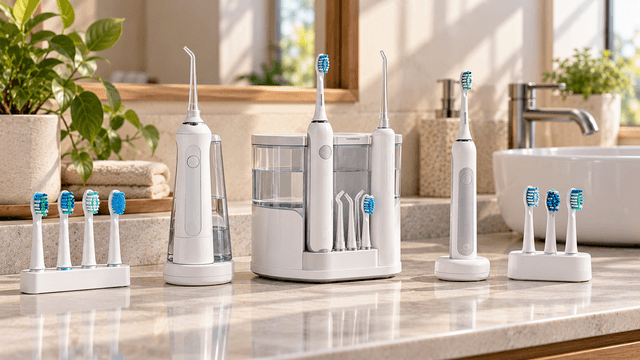
Brushing your teeth twice a day is one of the most important habits for maintaining oral hygiene. But brushing alone may not adequately clean every area of your mouth, particularly the narrow spaces between your teeth.
This is where interdental cleaning becomes important.
Many people wonder whether buying a water flosser is worthwhile. Can a water flosser replace a toothbrush? Is it better than traditional dental floss? And do you really need an electric toothbrush, water flosser and mouthwash in the same routine?
With so many oral-care products available, choosing the right combination can feel unnecessarily complicated.
The most important principle is simple: a toothbrush and a water flosser perform different cleaning functions. One does not automatically replace the other.
This guide explains how toothbrushes and water flossers work, their practical differences, how to use them and what to consider before buying oral-care products in India.
Why Daily Oral Hygiene Matters
Your mouth naturally contains bacteria that form a sticky film called dental plaque.
Plaque can accumulate on tooth surfaces, along the gumline and between teeth.
When plaque is not adequately removed, it can contribute to dental problems such as tooth decay and gum inflammation.
Regular brushing helps remove plaque from accessible tooth surfaces.
However, toothbrush bristles may not effectively reach the tight spaces between neighbouring teeth.
Interdental cleaning is intended to help clean these areas.
A practical oral-care routine generally includes:
- Brushing twice daily with fluoride toothpaste.
- Cleaning between teeth regularly.
- Using suitable dental-cleaning tools.
- Limiting frequent sugar exposure.
- Attending dental checkups based on individual needs.
Additional devices may be useful, but they should support these basic habits rather than complicate them.
What Does a Toothbrush Actually Do?
A toothbrush is designed to mechanically remove plaque, food debris and other deposits from accessible tooth surfaces.
Its bristles help clean the fronts, backs and chewing surfaces of teeth.
When brushing, the goal is to clean thoroughly without applying excessive pressure.
A soft-bristled toothbrush is generally recommended for most people.
Using hard bristles or scrubbing aggressively can irritate gums and contribute to tooth-surface wear.
Manual Toothbrushes
Manual toothbrushes are simple, affordable and widely available.
They do not require charging or batteries.
With appropriate technique, they can provide effective everyday cleaning.
Their main limitation is that cleaning quality depends heavily on the user’s brushing habits.
Electric Toothbrushes
Electric toothbrushes use powered bristle movements to assist cleaning.
Different models may use oscillating, rotating or sonic mechanisms.
Some models include timers and pressure sensors.
Research suggests certain powered toothbrush designs can offer modest improvements in plaque removal and gingivitis outcomes compared with manual brushing, but the difference varies by device and user.
An electric toothbrush is not mandatory for maintaining good oral hygiene.
Consistent brushing technique matters more than simply buying the most expensive toothbrush.
What Is a Water Flosser?
A water flosser is an oral-cleaning device that directs a controlled stream of water between teeth and along the gumline.
It is also commonly called an oral irrigator.
Most devices contain a water reservoir, a pump and a narrow nozzle.
When activated, water passes through the nozzle to help dislodge food particles and disturb plaque around the teeth and gums.
Some water flossers offer adjustable pressure settings and interchangeable nozzles.
Water flossers are available in two main formats.
1. Countertop Water Flossers
Countertop devices generally have a larger water reservoir and a separate handheld nozzle connected to the main unit.
They may suit users who prefer a stationary bathroom setup.
However, they require more counter space and may need access to a power outlet.
2. Cordless Water Flossers
Cordless models usually combine the water reservoir and pumping mechanism into a handheld device.
They are often rechargeable and easier to store or carry.
Their compact reservoirs may require refilling during use.
The better format depends on bathroom space, portability requirements and personal preferences.
Water Flosser vs Toothbrush: Understanding the Difference
A water flosser and toothbrush are not designed to perform identical tasks.
| Feature | Toothbrush | Water flosser |
|---|---|---|
| Primary purpose | Cleaning accessible tooth surfaces | Cleaning between teeth and around the gumline |
| Cleaning mechanism | Mechanical brushing with bristles | Directed water stream |
| Toothpaste required | Usually used with fluoride toothpaste | Usually used with water |
| Removes surface plaque | Yes | Not a substitute for brushing |
| Interdental cleaning | Limited in tight spaces | Designed to access interdental areas |
| Power requirement | None for manual brushes | Usually battery or electricity |
| Maintenance | Cleaning and replacing brush heads | Cleaning reservoir and nozzle |
| Everyday role | Essential oral-care tool | Additional interdental-cleaning option |
A water flosser should not replace brushing twice daily with fluoride toothpaste.
Brushing helps clean tooth surfaces and delivers fluoride through toothpaste.
A water flosser serves a different purpose by assisting cleaning in areas that may be difficult to reach with a toothbrush.
Can a Water Flosser Replace Traditional Dental Floss?
This is one of the most common questions about oral irrigators.
Traditional dental floss and water flossers both aim to improve cleaning between teeth, but they work differently.
Dental floss physically contacts the sides of neighbouring teeth.
When used correctly, it can help disrupt plaque near the gumline and between teeth.
A water flosser uses water pressure to clean interdental areas.
Some clinical studies suggest water flossers can improve measures of gum inflammation and bleeding in certain users.
However, findings vary depending on the device, technique, study design and comparison method.
The evidence does not establish that every water flosser is universally superior to properly used dental floss.
When Traditional Floss May Be Suitable
Traditional floss may work well for people who:
- Have relatively tight spaces between teeth.
- Can use floss comfortably and effectively.
- Prefer inexpensive cleaning tools.
- Want a compact option for travel.
- Do not want another electronic device.
When a Water Flosser May Be Useful
A water flosser may be convenient for people who:
- Find string floss difficult to handle.
- Wear certain orthodontic appliances.
- Have bridges or other dental restorations.
- Prefer water-based interdental cleaning.
- Have difficulty reaching certain areas.
People with dental implants, braces, gum disease or specialised restorations should follow their dentist’s recommendations about the most appropriate cleaning tools.
In some situations, interdental brushes may be recommended instead of—or alongside—flossing devices.
Is a Water Flosser Worth Buying?
A water flosser can be a useful addition to an oral-care routine, but it is not necessary for everyone.
Its value depends on whether it helps you clean between your teeth regularly and effectively.
For someone who already brushes properly and uses appropriate interdental cleaning tools consistently, an additional device may offer limited practical benefit.
However, someone who struggles with conventional floss may find a water flosser easier to incorporate into daily habits.
Before purchasing, consider three questions.
First: Am I already brushing twice daily with fluoride toothpaste?
Second: Am I cleaning between my teeth regularly?
Third: Would a water flosser make interdental cleaning more convenient or consistent?
If the answer to the third question is yes, a suitable water flosser may be worth considering.
How to Use a Water Flosser Correctly
Always follow the manufacturer’s directions for your particular device.
The following steps describe a typical approach.
Step 1: Fill the Reservoir
Fill the device with water according to the manufacturer’s instructions.
Lukewarm water may feel more comfortable for people with temperature-sensitive teeth.
Avoid adding mouthwash, essential oils or other liquids unless the manufacturer specifically permits them.
Step 2: Select a Suitable Pressure Setting
If your water flosser has adjustable pressure, begin with a low setting.
This is particularly important if you are using the device for the first time.
Increase the pressure only as needed and within the manufacturer’s recommended range.
Higher pressure does not automatically mean better cleaning.
Step 3: Position the Nozzle
Lean over the sink to reduce splashing.
Place the nozzle in your mouth before activating the device, following its operating instructions.
Direct the water stream toward the gumline and between teeth as recommended.
Step 4: Clean Along the Gumline
Move the nozzle slowly from one tooth to another.
Pause briefly between teeth where appropriate.
Clean both the front-facing and inner surfaces according to the device’s instructions.
Avoid forcing the nozzle into gum tissue.
Step 5: Finish and Clean the Device
Switch off the device before removing the nozzle if directed.
Empty any remaining water and clean the reservoir according to the manufacturer’s guidance.
Allow removable components to dry appropriately.
A clean device is important for maintaining hygienic everyday use.
Should You Use a Water Flosser Before or After Brushing?
There is no single universally required order that applies to every oral-care routine.
Some people prefer interdental cleaning before brushing because it removes debris before toothpaste is applied.
Others prefer using a water flosser after brushing.
The most important considerations are thorough cleaning, regular use and following professional guidance.
A practical routine might be:
Interdental cleaning → Brush with fluoride toothpaste → Spit out excess toothpaste
Avoid immediately rinsing away the remaining fluoride toothpaste with large amounts of water, unless your dentist gives different instructions.
If you use a water flosser after brushing, consider whether this interferes with keeping fluoride on your teeth.
The best sequence can be discussed with your dentist, particularly if you have ongoing dental concerns.
How to Choose the Right Water Flosser
Water flossers vary in design, pressure settings, reservoir capacity and accessories.
Comparing the right specifications can help you avoid unnecessary spending.
1. Pressure Adjustment
Adjustable pressure can make a device more flexible for different preferences.
For beginners, a comfortable low-pressure setting is particularly useful.
More pressure levels do not automatically make a device more effective.
2. Water Reservoir Capacity
A larger reservoir may allow longer use without refilling.
However, larger devices take up more space.
Compact cordless models may require more frequent refilling.
3. Cordless vs Countertop Design
Choose cordless if portability and compact storage are priorities.
Choose countertop if you prefer a stationary setup with a larger reservoir.
Neither format is inherently better at cleaning solely because of its size.
4. Nozzle Availability
Check whether replacement nozzles are available for the exact model.
Some devices include specialised tips for particular dental-care needs.
Use specialised tips only according to the manufacturer’s instructions or dental-professional guidance.
5. Charging and Power
Cordless water flossers may use USB charging, proprietary charging cables or dedicated adapters.
Confirm compatibility and charging requirements.
6. Cleaning and Maintenance
A removable reservoir may be easier to clean.
Look for clear manufacturer instructions concerning cleaning, drying and nozzle replacement.
7. Warranty and Support
Before buying, check current warranty terms, seller information and support availability.
These details can matter more than decorative features or the number of advertised cleaning modes.
Choosing an Everyday Toothbrush
A water flosser should complement an appropriate toothbrush rather than replace it.
Soft Bristles
Soft bristles are generally suitable for everyday brushing.
Avoid excessive pressure, even when using a soft-bristled brush.
Comfortable Brush Head
Choose a brush head that allows you to reach different areas of your mouth.
A very large head may be harder to manoeuvre around back teeth.
Manual or Electric
Both can be useful.
Electric toothbrushes may offer features that help users maintain brushing duration and reduce excessive pressure.
However, proper manual brushing remains a valid option.
Replacement Schedule
Toothbrushes and replaceable brush heads are generally recommended for replacement approximately every three to four months, or sooner when bristles become visibly frayed.
Follow the manufacturer’s guidance and any individual dental recommendations.
What Role Does Toothpaste Play?
Toothpaste is an important component of daily brushing.
Fluoride toothpaste helps strengthen tooth enamel against acid-related damage and reduce the risk of dental caries.
When choosing toothpaste, consider:
- Appropriate fluoride content
- Age suitability
- Individual dental recommendations
- Sensitivity-related needs
- Ingredient tolerances
- Flavour preferences
Whitening, charcoal, herbal and other specialised toothpaste categories should not be assumed to provide superior protection solely because of their marketing descriptions.
For most people, consistent use of an appropriate fluoride toothpaste is more important than chasing frequently changing product trends.
Children require age-appropriate quantities and supervision according to dental guidance.
Comparing Oral-Care Product Formats in India
Physical Glow readers may encounter several products serving different oral-care purposes.
Understanding their functions helps prevent unnecessary purchases.
1. Colgate Total Toothpaste With Toothbrush Combo
This format combines a consumable toothpaste product with a toothbrush.
It may appeal to shoppers looking for a convenient basic oral-care purchase.
Before buying, confirm the toothbrush type, toothpaste quantity and exact contents of the combo.
2. Colgate Visible White Purple Toothpaste Combo
This is a cosmetic-positioned toothpaste purchase format.
Its marketing focus should not be interpreted as evidence that it replaces professional dental whitening or treatment.
Check the ingredients, fluoride information and current pack contents.
3. Colgate Strong Teeth Toothpaste Multipack
Multipacks may be convenient for households that regularly use the same toothpaste.
Compare the total quantity and current price per 100 g.
A larger pack is not automatically a better purchase if the formula does not meet your needs.
4. FlossJet Cordless Water Flosser
A cordless water flosser represents a compact electronic interdental-cleaning format.
Check the exact model’s pressure settings, reservoir capacity, charging requirements and available replacement nozzles.
5. Oral-B Water Flosser Advanced Cordless
This is another cordless water-flosser option.
Compare its documented features against your requirements rather than assuming brand recognition guarantees better performance.
These products are included to illustrate different buying categories.
Physical Glow has not independently tested these exact products or established a comparative performance ranking.
Prices, seller offers, availability and specifications should be verified on current retailer listings.
Common Oral-Care Mistakes to Avoid
1. Assuming a Water Flosser Replaces Brushing
A water flosser is not a replacement for mechanical toothbrushing with fluoride toothpaste.
Use it as an additional cleaning tool when appropriate.
2. Using Excessive Water Pressure
High pressure is not always necessary.
Begin comfortably and follow the device instructions.
Stop if use causes pain or injury.
3. Brushing Too Aggressively
Applying excessive force does not guarantee cleaner teeth.
Gentle, thorough cleaning is generally preferable.
4. Ignoring Interdental Cleaning
A toothbrush may not adequately clean the spaces between teeth.
Use an appropriate interdental-cleaning method regularly.
5. Neglecting Device Maintenance
Water reservoirs and nozzles require cleaning.
Follow the manufacturer’s hygiene and replacement guidance.
6. Using Dental Products to Treat Persistent Symptoms
Persistent bleeding gums, tooth pain, swelling or unusual sensitivity should be assessed by a dental professional.
An oral-care gadget cannot diagnose or treat the underlying cause.
7. Buying Too Many Overlapping Products
An expensive electric toothbrush, water flosser, several toothpastes and multiple mouthwashes do not automatically create a better routine.
Choose products with clear purposes.
A Simple Morning and Evening Oral-Care Routine
A consistent routine is generally more useful than an elaborate one.
Morning Routine
- Brush your teeth for approximately two minutes using an appropriate fluoride toothpaste.
- Use a soft-bristled manual or suitable electric toothbrush.
- Clean your tongue gently if desired.
- Spit out excess toothpaste without immediately rinsing it away with large amounts of water.
Evening Routine
- Clean between your teeth using an appropriate tool, such as floss, interdental brushes or a suitable water flosser.
- Brush thoroughly with fluoride toothpaste for approximately two minutes.
- Spit out excess toothpaste.
- Clean and store your oral-care tools hygienically.
Your dentist may recommend additional steps based on your oral health.
There is no need to use every available dental-cleaning product every day.
How to Maintain a Water Flosser
An electronic water flosser requires more maintenance than ordinary string floss.
Good hygiene helps prevent residue buildup and supports reliable operation.
Empty the Reservoir
Do not leave water standing unnecessarily between uses when the manufacturer recommends emptying it.
Rinse Removable Parts
Follow the instructions for cleaning the reservoir and nozzle.
Allow Proper Drying
Moisture trapped inside certain components can encourage buildup.
Store the device as recommended.
Replace Nozzles When Required
Replacement intervals vary by device and tip type.
Use compatible replacement parts.
Check the Charging Components
Keep charging connections clean and dry according to the manufacturer’s electrical safety instructions.
Never immerse components that are not designed to be submerged.
Frequently Asked Questions
1. Can a water flosser replace a toothbrush?
No. A water flosser is an interdental-cleaning device and should not replace brushing twice daily with fluoride toothpaste.
2. Is a water flosser better than regular floss?
Not universally. Different studies show different outcomes, and suitability depends on individual dental needs, technique and the device. Your dentist can help select the appropriate method.
3. Should I use a water flosser every day?
Regular interdental cleaning is recommended. If a water flosser is your chosen method, follow its instructions and your dentist’s advice regarding frequency.
4. Can people with braces use a water flosser?
Water flossers may be useful for cleaning around certain orthodontic appliances. Follow the orthodontist’s recommendations and use an appropriate nozzle and pressure setting.
5. Is a cordless water flosser as effective as a countertop model?
Effectiveness depends on device design, pressure characteristics, technique and the individual user. Cordless models are not automatically less effective, and countertop models are not automatically superior.
6. Does water flossing remove tartar?
Water flossing is not a substitute for professional tartar removal. Hardened calculus generally requires dental cleaning.
7. Can I add mouthwash to a water flosser?
Only if the manufacturer permits it. Some liquids may damage device components or require specific dilution and cleaning procedures.
8. Is a water flosser safe for sensitive gums?
Many people can use water flossers comfortably at appropriate settings, but individual dental conditions matter. Begin with a low setting and seek dental advice if you experience persistent pain or bleeding.
9. Do I need an electric toothbrush if I own a water flosser?
No. A suitable manual toothbrush can provide effective brushing when used correctly. A water flosser does not require a matching electric toothbrush.
10. How often should I replace a water-flosser nozzle?
Follow the manufacturer’s recommended interval for the specific nozzle. Replace it sooner if it becomes damaged or difficult to clean properly.
Final Thoughts
A healthy oral-care routine does not need to involve the most expensive devices.
A toothbrush and fluoride toothpaste form the foundation of daily dental cleaning.
Interdental cleaning helps address areas that ordinary brushing may not adequately reach.
A water flosser can be a convenient option for people who prefer water-based cleaning or find traditional flossing difficult.
However, the best oral-care routine is one that combines appropriate cleaning tools with correct technique and consistent daily habits.
Before buying a water flosser, consider your dental needs, bathroom space, maintenance requirements and budget.
If traditional floss or interdental brushes already work well for you, an additional electronic device may not be necessary.
Choose products for their practical purpose rather than assuming more technology automatically leads to healthier teeth.
Regular dental checkups and professional guidance remain important, particularly if you have braces, implants, gum disease or persistent oral symptoms.
Physical Glow Editorial Note: This article provides general oral-care education and product-selection guidance. It is not a substitute for personalised dental advice. Physical Glow has not independently tested the specific devices or toothpaste products mentioned. Some related buying guides and product pages may contain affiliate links, through which Physical Glow may earn a commission from qualifying purchases at no additional cost to readers.