How to Build a Healthier Home Environment
Learn how to build a healthier and more comfortable home environment, with practical guidance on air quality, humidity, cleanliness, light, noise and everyday habits. This beginner-friendly guide helps you make a clear, informed choice without unnecessary complexity.
A healthier home is not created by filling every room with wellness products.
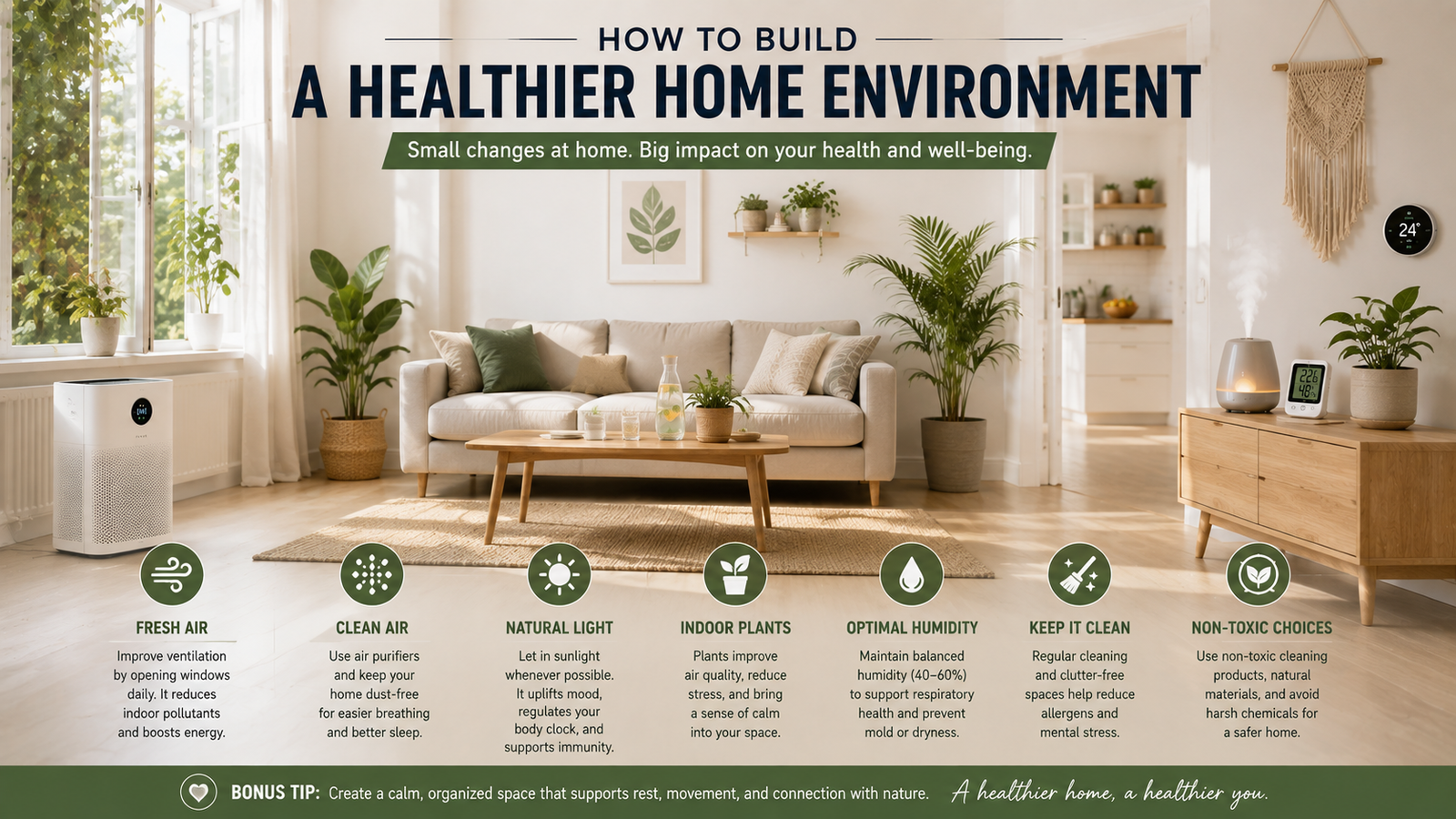
The biggest improvements usually come from a few basic things done consistently: cleaner indoor air, sensible ventilation, comfortable temperature and humidity, manageable dust and moisture, safe drinking water, good lighting, quieter sleep spaces and routines that make the home easier to maintain.
This matters because most people spend a large part of each day indoors. The home environment can influence comfort, sleep, respiratory irritation, allergies, stress and how easy it is to maintain healthy daily habits.
The useful question is therefore not:
“What wellness products should I buy for my home?”
It is:
“Which environmental factors in my home actually need improvement, and what is the simplest effective way to address them?”
A healthy-home strategy should start with the environment itself. Devices such as air purifiers, humidifiers and smart monitors can be useful, but they work best when they solve a clearly identified problem rather than becoming substitutes for basic ventilation, cleaning and maintenance.
This guide explains how to evaluate your home systematically and improve it without unnecessary complexity.
Start With the Fundamentals
Before buying equipment, evaluate six basic areas:
- Air quality and ventilation
- Humidity and moisture
- Dust, allergens and cleaning
- Water and kitchen hygiene
- Light, temperature and sleep environment
- Noise, clutter and everyday usability
You do not need to optimize all six at once.
Start with whichever issue is most obvious in your home.
For example:
- frequent condensation → investigate moisture and ventilation;
- dusty rooms → focus on cleaning, filtration and dust sources;
- persistent cooking smells → improve kitchen ventilation;
- uncomfortable sleep → examine noise, temperature, light and bedding before buying gadgets;
- visible dampness or mould → address the moisture source rather than masking the smell.
1. Improve Ventilation Before Adding Devices
Ventilation is one of the simplest ways to improve the indoor environment when outdoor conditions allow it.
Indoor air can accumulate:
- cooking particles;
- moisture;
- cleaning-product vapours;
- fragrances;
- smoke;
- dust;
- carbon dioxide from occupants;
- pollutants from indoor activities.
Opening windows and doors can help exchange indoor and outdoor air.
However, more ventilation is not always better.
If outdoor air is affected by:
- heavy traffic pollution;
- wildfire smoke;
- construction dust;
- very high pollen;
- extreme heat;
keeping windows open for long periods may make indoor conditions worse.
The goal is appropriate ventilation, not permanently open windows.
Practical ventilation habits
Consider:
- opening windows during periods of better outdoor air;
- using kitchen exhaust while cooking;
- running bathroom exhaust during and after showers;
- allowing damp rooms to dry;
- avoiding blocking ventilation openings;
- maintaining exhaust fans so they actually move air.
A home with poor ventilation cannot always be fixed by an air purifier alone.
Kitchen Ventilation Matters
Cooking can release:
- moisture;
- odours;
- smoke;
- fine particles;
- combustion pollutants if gas is used.
When possible:
- use the range hood or exhaust fan;
- vent it outdoors if the system allows;
- use back burners under the hood;
- open a nearby window when outdoor air is suitable.
Keep the hood and filters clean because grease buildup reduces performance.
Bathroom Ventilation Matters Too
Bathrooms generate substantial moisture.
After bathing:
- use an exhaust fan;
- leave the door or window open where practical;
- dry wet surfaces;
- hang towels where they can dry fully.
Persistent condensation can contribute to:
- mould;
- musty odours;
- paint damage;
- deterioration of surfaces.
If moisture returns constantly, the source should be addressed rather than simply spraying fragrance or cleaning products over it.
2. Manage Indoor Humidity
Humidity that is too low can make the environment feel dry.
Humidity that is consistently too high can encourage:
- condensation;
- dust mites;
- mould growth;
- musty smells.
A generally comfortable indoor range is often around 30–60% relative humidity, although climate and individual comfort matter.
You do not need to obsess over an exact number every hour.
Look for practical signs.
Signs the Home May Be Too Humid
These can include:
- condensation on windows;
- damp-smelling rooms;
- mould spots;
- towels taking a long time to dry;
- persistent moisture in bathrooms;
- clammy indoor air.
If these appear, investigate:
- leaks;
- poor ventilation;
- drying clothes indoors;
- inadequate exhaust;
- water entering through walls or roofs.
A dehumidifier may help in some situations, but it should not replace repairing a leak.
Signs the Air May Be Too Dry
Very dry indoor conditions may contribute to:
- dry skin;
- dry lips;
- throat discomfort;
- static electricity;
- general discomfort.
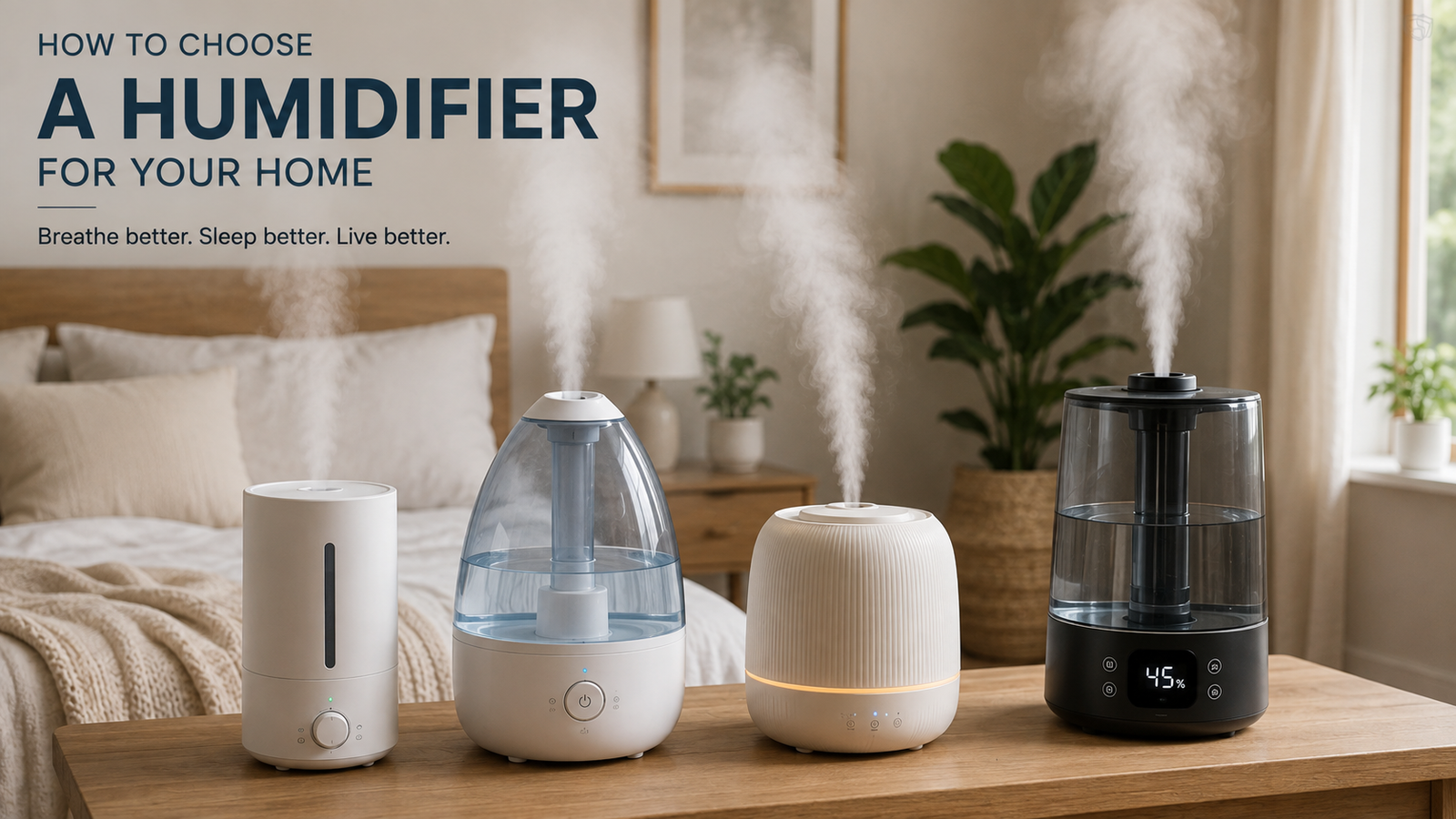
A humidifier can help when indoor air is genuinely dry.
But adding moisture when humidity is already high can create a new problem.
Measure first if you are unsure.
An inexpensive humidity meter can be more useful than guessing.
3. Treat Mould as a Moisture Problem
Visible mould is not simply a cleaning issue.
It usually indicates excess moisture.
Possible causes include:
- plumbing leaks;
- roof leaks;
- condensation;
- poor ventilation;
- water penetration;
- flooding.
Cleaning the visible area without correcting the moisture source often results in recurrence.
Small surface areas may sometimes be manageable through appropriate cleaning and moisture control, but extensive or recurring mould may require professional assessment.
Be particularly cautious if mould is associated with:
- large water damage;
- structural damage;
- persistent respiratory symptoms;
- repeated recurrence.
Do not rely on fragrances or “air freshening” products to solve a moisture problem.
4. Reduce Dust Strategically
A completely dust-free home is unrealistic.
The goal is to prevent excessive accumulation.
Dust may contain:
- fibres;
- skin particles;
- soil;
- pollen;
- pet material;
- other environmental particles.
The best approach combines cleaning and source control.
Focus on High-Dust Areas
Prioritize:
- floors;
- carpets;
- bedding;
- upholstered furniture;
- shelves;
- fan blades;
- air-conditioner filters;
- areas under beds and furniture.
Instead of trying to deep-clean the entire home constantly, create a manageable routine.
Damp Dusting
Dry dusting can simply move particles into the air.
A slightly damp microfiber cloth can help capture dust more effectively on many surfaces.
Follow the manufacturer’s care instructions for delicate materials.
Vacuuming
If dust, pets or allergies are significant concerns, a good vacuum can be useful.
Features that may matter include:
- effective filtration;
- sealed dust containment;
- easy-to-empty bin or bag;
- appropriate floor attachments.
A HEPA-filtered vacuum can be useful where fine-particle control is important, but filter performance is only one part of the machine.
The vacuum should also prevent captured dust from leaking back into the room.
5. Wash Bedding Regularly
Beds collect:
- skin cells;
- sweat;
- dust;
- hair;
- allergens.
A regular bedding routine can support a cleaner sleep environment.
That generally means:
- washing sheets and pillowcases routinely;
- allowing mattresses and bedding to remain dry;
- laundering blankets and covers according to care instructions;
- cleaning pillows where appropriate.
People with dust-mite allergies may need a more specific strategy recommended by their healthcare professional.
The important principle is consistency rather than extreme cleaning.
6. Maintain Air-Conditioning and HVAC Filters
Air conditioners and ventilation systems can accumulate dust.
Neglected filters may:
- reduce airflow;
- reduce efficiency;
- allow dust buildup.
Check manufacturer recommendations for:
- filter cleaning;
- filter replacement;
- servicing intervals.
In homes using split air conditioners, indoor units should also be professionally serviced when necessary.
A dirty cooling system should not be ignored simply because the room still becomes cold.
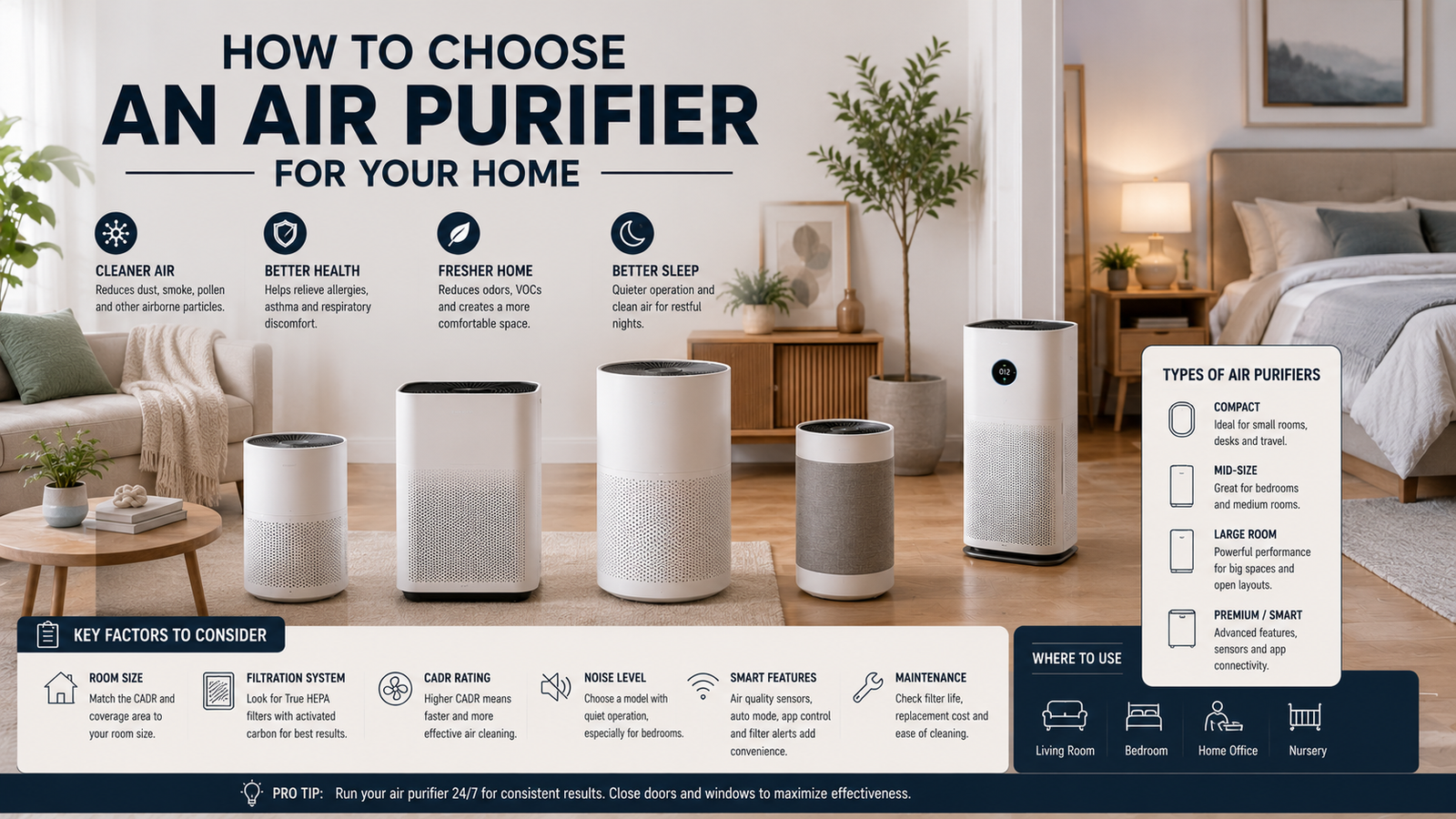
7. Consider an Air Purifier Only for a Defined Need
An air purifier can be useful for airborne particles, particularly when:
- outdoor pollution is high;
- someone has allergies;
- smoke is a concern;
- pets contribute airborne dander;
- ventilation options are limited.
But it is not a complete indoor-air solution.
An air purifier generally cannot fix:
- high humidity;
- water leaks;
- mould source problems;
- carbon monoxide;
- accumulated surface dust;
- poor kitchen ventilation.
If you buy one, choose based primarily on:
- room size;
- clean-air delivery;
- filtration;
- noise;
- replacement-filter cost.
Avoid buying only because a purifier has dozens of sensors or app features.
The ability to move and filter enough air for the room matters more.
8. Reduce Unnecessary Indoor Smoke and Combustion
Indoor smoke should be minimized whenever possible.
Sources may include:
- tobacco;
- incense;
- candles;
- cooking;
- fireplaces;
- mosquito coils;
- combustion appliances.
Even products associated with pleasant fragrance can produce particles when burned.
If you use candles or incense:
- ventilate appropriately;
- avoid excessive use;
- keep them away from children and flammable materials;
- never leave open flames unattended.
For fragrance, non-combustion options may reduce smoke, although strongly scented products can still irritate sensitive individuals.
9. Be Selective With Air Fresheners
A pleasant-smelling room is not necessarily a clean or healthy room.
Air fresheners may:
- mask odours;
- add fragrance;
- make the space feel fresher.
They do not remove the underlying source of:
- dampness;
- spoiled food;
- smoke;
- dirty fabrics;
- drainage problems.
If a room smells unusual, identify the cause first.
Persistent musty, chemical or burning odours deserve investigation.
10. Use Cleaning Products Sensibly
You do not need extremely strong disinfectants for every surface every day.
For routine cleaning, regular household cleaners are often enough.
Disinfecting products are more useful when there is a specific reason, such as:
- food contamination;
- illness;
- high-touch surfaces during certain situations.
Follow the label instructions.
Avoid mixing household chemicals.
In particular, combinations involving bleach, acids or ammonia can produce dangerous fumes.
Use cleaning products:
- with adequate ventilation;
- according to directions;
- away from children;
- in their original or clearly labelled containers.
“More product” does not mean “cleaner.”
11. Create a Cleaner Entryway
A simple entry routine can reduce the amount of outdoor dirt reaching the rest of the home.
Consider:
- a good doormat;
- designated shoe storage;
- removing heavily soiled shoes indoors;
- a place for bags and outdoor items.
If your household prefers removing shoes indoors, this can reduce some tracked-in dirt.
The system should be easy enough that people actually follow it.
12. Keep Pets in the Healthy-Home Plan
Pets can add:
- hair;
- dander;
- outdoor dirt;
- odours.
That does not mean pets need to be isolated.
Instead:
- groom them appropriately;
- clean pet bedding;
- vacuum high-use areas;
- wash food and water bowls;
- maintain litter areas;
- manage muddy paws.
If someone has a significant animal allergy, professional guidance may be needed because simple cleaning may not provide enough control.
13. Protect Drinking Water Appropriately
Do not assume every home needs an expensive water purifier.
The appropriate system depends on:
- local water source;
- local water quality;
- building plumbing;
- contamination risks.
A purifier should solve a known or reasonably likely problem.
Different technologies address different issues.
For example:
- sediment filters;
- activated carbon;
- UV treatment;
- reverse osmosis;
perform different functions.
Installing the most complicated system available can create unnecessary cost and maintenance.
If local water quality is uncertain, use information from the water supplier or appropriate testing rather than relying on taste alone.
14. Maintain Water Filters Properly
A neglected water purifier is not automatically safer than untreated water.
Follow replacement schedules for:
- cartridges;
- membranes;
- UV lamps;
- storage-tank cleaning.
Do not continue using a filter indefinitely because the water still looks clear.
Maintenance is part of the product.
15. Improve Kitchen Food-Safety Habits
A healthier home includes basic food hygiene.
Focus on:
- washing hands before food preparation;
- separating raw and cooked foods;
- cleaning cutting boards;
- keeping refrigerator temperatures appropriate;
- refrigerating leftovers promptly;
- discarding spoiled food.
Pay extra attention to:
- raw meat;
- eggs;
- seafood;
- unpasteurized foods.
Avoid using the same cutting surface for raw meat and ready-to-eat foods without appropriate cleaning.
16. Keep the Refrigerator Manageable
An overfilled refrigerator can make it difficult to:
- see older food;
- maintain airflow;
- clean spills;
- rotate leftovers.
A useful system is:
- label leftovers where necessary;
- place older items toward the front;
- clean spills quickly;
- check food routinely.
Food waste and food safety both improve when the refrigerator is easy to inspect.
17. Build a Better Sleep Environment
The bedroom deserves special attention because sleep affects nearly every part of daily functioning.
A supportive bedroom usually emphasizes:
- darkness;
- comfortable temperature;
- manageable noise;
- clean bedding;
- reduced unnecessary stimulation.
Light
At night, reduce excessive light where possible.
Consider:
- blackout curtains;
- dimmer bedside lighting;
- covering bright device indicators.
During the day, natural light can help reinforce normal day-night patterns.
Temperature
A bedroom that is too hot can make sleep uncomfortable.
There is no single perfect temperature for everyone.
Aim for a room that feels:
- cool enough for comfortable sleep;
- not so cold that it causes discomfort.
Noise
If external noise is unavoidable, options include:
- better window sealing;
- curtains;
- earplugs;
- white-noise devices.
The solution should match the source of the noise.
18. Use Lighting to Support Different Parts of the Day
Home lighting affects both function and atmosphere.
During daytime:
- make use of natural light where possible;
- keep work areas sufficiently bright.
During evening:
- softer lighting can create a more relaxing environment.
You do not need a complicated smart-lighting system.
Often, simply using:
- bright task lighting for work;
- lower-intensity warm lighting in the evening;
is enough.
19. Reduce Noise Where It Matters Most
Constant noise can make a home tiring even when people become accustomed to it.
Common sources include:
- traffic;
- televisions;
- appliances;
- neighbours;
- mechanical equipment.
Possible improvements include:
- curtains;
- rugs;
- door seals;
- moving noisy equipment;
- maintaining vibrating appliances;
- creating quieter bedroom zones.
A white-noise machine may help mask unpredictable sounds, but it does not physically reduce noise entering the room.
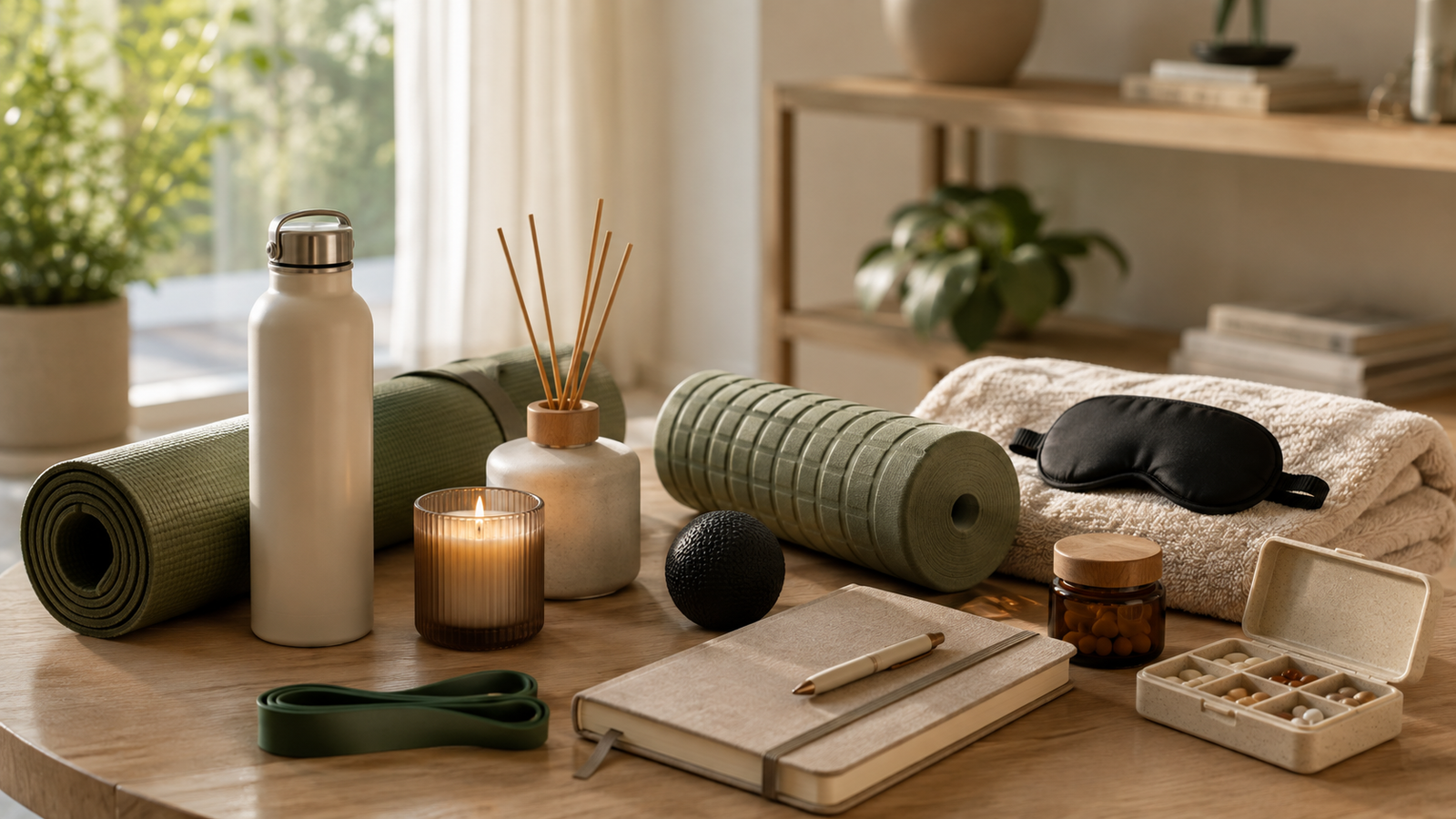
20. Make Healthy Behaviours Easier
A healthy home should support good routines automatically.
The environment can make habits easier or harder.
Examples:
Hydration
Keep water easily accessible.
Movement
Leave enough open floor space for:
- stretching;
- yoga;
- simple exercise.
Healthy food
Store frequently used nutritious foods where they are easy to see and prepare.
Sleep
Keep the bedroom organized for rest rather than turning it into a permanent work area if space allows.
Medication and supplements
Store them safely and follow proper instructions rather than scattering them throughout the home.
The best environment reduces friction around behaviours you want to repeat.
21. Reduce Clutter Without Chasing Minimalism
Clutter can make:
- cleaning harder;
- dust accumulate;
- items difficult to find;
- spaces feel visually busy.
You do not need a completely minimalist home.
Focus on:
- clear walking paths;
- accessible storage;
- surfaces that can be cleaned easily;
- removing items you genuinely no longer use.
If organization becomes so complicated that maintaining it requires constant effort, simplify the system.
22. Pay Attention to Household Safety
A healthier home is also a safer home.
Check basics such as:
- secure electrical connections;
- functioning smoke alarms where applicable;
- carbon-monoxide alarms where fuel-burning appliances are present and local guidance recommends them;
- secure medication storage;
- safe chemical storage;
- stable furniture;
- slip-resistant bathroom areas.
Homes with children, older adults or mobility limitations may require additional adjustments.
23. Check for Carbon Monoxide Risk
Carbon monoxide is colourless and odourless.
Potential sources include faulty:
- gas heaters;
- boilers;
- fireplaces;
- fuel-burning appliances;
- generators.
Proper installation, ventilation and maintenance are important.
Never run fuel-burning generators or engines in enclosed indoor spaces.
Where appropriate, install carbon-monoxide alarms according to local safety recommendations.
If you suspect carbon-monoxide exposure, leave the area and seek emergency assistance rather than trying to troubleshoot the source yourself.
24. Avoid Overloading the Home With Wellness Technology
Smart-home products can be useful, but they should solve real problems.
Possible tools include:
- air-quality monitors;
- humidity meters;
- smart thermostats;
- air purifiers;
- humidifiers;
- sleep devices.
Before buying one, ask:
What decision will this device help me make?
For example:
A humidity meter may help you decide whether you actually need a humidifier.
An air purifier may help during pollution events.
A smart thermostat may improve temperature consistency.
If the device produces information but never changes what you do, its value may be limited.
25. Build a Simple Maintenance Schedule
A healthier home is mostly about maintenance.
You might divide tasks into:
Daily
- ventilate where appropriate;
- wipe kitchen surfaces;
- manage food waste;
- allow bathrooms to dry.
Weekly
- wash bedding;
- vacuum/mop;
- clean bathrooms;
- inspect high-dust areas.
Monthly
- inspect filters;
- clean exhaust areas;
- check for moisture;
- clean less-accessible surfaces.
Periodically
- service air conditioning;
- replace purifier filters;
- maintain water systems;
- inspect safety equipment.
The exact frequency depends on your household.
The purpose is to prevent small problems from turning into large ones.
Common Healthy-Home Mistakes
Buying Devices Before Identifying the Problem
A purifier will not fix a leak.
A humidifier will not solve poor ventilation.
A fragrance diffuser will not remove mould.
Identify the cause first.
Assuming Stronger Cleaning Is Always Better
Excessive disinfecting can add:
- cost;
- chemical exposure;
- unnecessary effort.
Use the appropriate cleaner for the task.
Ignoring Maintenance
Filters, exhaust fans and water purifiers need regular maintenance.
A neglected device can lose much of its value.
Overlooking Moisture
Moisture problems can quietly cause substantial damage.
Investigate:
- condensation;
- leaks;
- damp smells;
- peeling paint.
Focusing Only on Products
A healthier home is created more by:
- ventilation;
- cleaning;
- moisture control;
- safe routines;
than by buying premium wellness accessories.
Quick Healthy-Home Priority Guide
| Concern | Start here |
|---|---|
| Stale indoor air | Ventilation + exhaust |
| High pollution | Source control + suitable air purifier |
| Damp/mould | Find and fix moisture source |
| Dry indoor air | Measure humidity before humidifying |
| Heavy dust | Cleaning + filter maintenance |
| Cooking smells/smoke | Kitchen exhaust |
| Poor sleep | Light, temperature and noise |
| Hard-to-maintain home | Simplify storage and cleaning systems |
| Water concerns | Verify local water quality before choosing filtration |
| Persistent unusual symptoms | Seek appropriate professional advice |
A Practical Room-by-Room Checklist
Bedroom
Check:
- bedding cleanliness;
- dust accumulation;
- lighting;
- temperature;
- external noise;
- ventilation.
Bathroom
Check:
- exhaust;
- condensation;
- mould;
- damp towels;
- slip hazards.
Kitchen
Check:
- exhaust;
- food storage;
- refrigerator cleanliness;
- cutting surfaces;
- water system.
Living Room
Check:
- dust;
- ventilation;
- upholstery;
- pet areas;
- unnecessary fragrance/smoke sources.
Work Area
Check:
- daylight;
- task lighting;
- ventilation;
- chair and desk setup;
- clutter.
Before You Buy Any Healthy-Home Product
Ask yourself:
- What specific problem am I trying to solve?
- Have I identified the cause?
- Can ventilation, cleaning or maintenance solve it first?
- Do I have evidence that this device is appropriate?
- Is the product correctly sized for the room?
- What ongoing maintenance will it require?
- How much do replacement filters or parts cost?
- Will I actually maintain it?
- Could the product create another problem, such as excessive humidity?
- Am I paying for useful performance or mainly extra smart features?
Frequently Asked Questions
Do I need an air purifier in every room?
Usually not. Start with rooms where you spend the most time or where there is a specific air-quality concern.
Should I keep windows open all day?
Not necessarily. Ventilation is useful when outdoor air quality and weather are appropriate. During heavy pollution or smoke, keeping windows closed may be preferable.
What is a good humidity level for a home?
A broad range around 30–60% relative humidity is commonly comfortable, although climate and personal needs vary.
Is a humidifier good for everyone?
No. It is most useful when indoor air is genuinely dry. Excess humidity can encourage mould and dust mites.
Do air purifiers remove mould?
They may capture some airborne particles, but they do not remove the underlying moisture source or mould growing on surfaces.
How often should I change air filters?
Follow the manufacturer’s guidance and adjust based on use, dust levels and environmental conditions.
Are scented candles bad for indoor air?
Burning candles produces combustion particles. Occasional use with ventilation is different from continuous burning, but people with respiratory sensitivity may prefer non-combustion fragrance options.
Do I need to disinfect my entire house every day?
No. Routine cleaning is sufficient for most household situations. Disinfection is more useful for specific contamination risks.
Is an expensive water purifier always better?
No. The appropriate system depends on the contaminants actually present in the water.
Can plants purify indoor air?
Houseplants can improve the appearance and feel of a room, but ordinary numbers of household plants should not be considered a substitute for ventilation or mechanical air filtration.
Is white noise healthy for sleep?
It can help some people mask environmental noise. Use a comfortable volume and place the device at a sensible distance from the bed.
What should I do if my home has persistent mould?
Find and correct the moisture source. Extensive, recurring or water-damage-related mould may require professional remediation.
The Physical Glow Takeaway
Building a healthier home does not require turning your living space into a collection of wellness devices.
Start with the fundamentals: ventilation, moisture control, sensible cleaning, safe water practices, comfortable sleep conditions and regular maintenance.
Identify the problem before buying the solution. A purifier is useful when airborne particles are the issue; a humidifier is useful only when the air is genuinely dry; a cleaning product cannot fix a leak; and fragrance cannot solve poor air quality.
Pay particular attention to kitchens, bathrooms and bedrooms because cooking, moisture and sleep conditions can have an outsized effect on the indoor environment.
Most importantly, build systems that you can realistically maintain. A simple home that is regularly ventilated, cleaned and maintained is generally more useful than a heavily equipped home filled with devices that are poorly sized, rarely serviced or solving problems that were never there in the first place.