How to Choose Hydration Products for Everyday Use
Learn how to choose hydration products that fit your everyday routine, with practical guidance on capacity, portability, temperature control, cleaning and when specialized hydration products are useful. This beginner-friendly guide helps you make a clear, informed choice without unnecessary complexity.
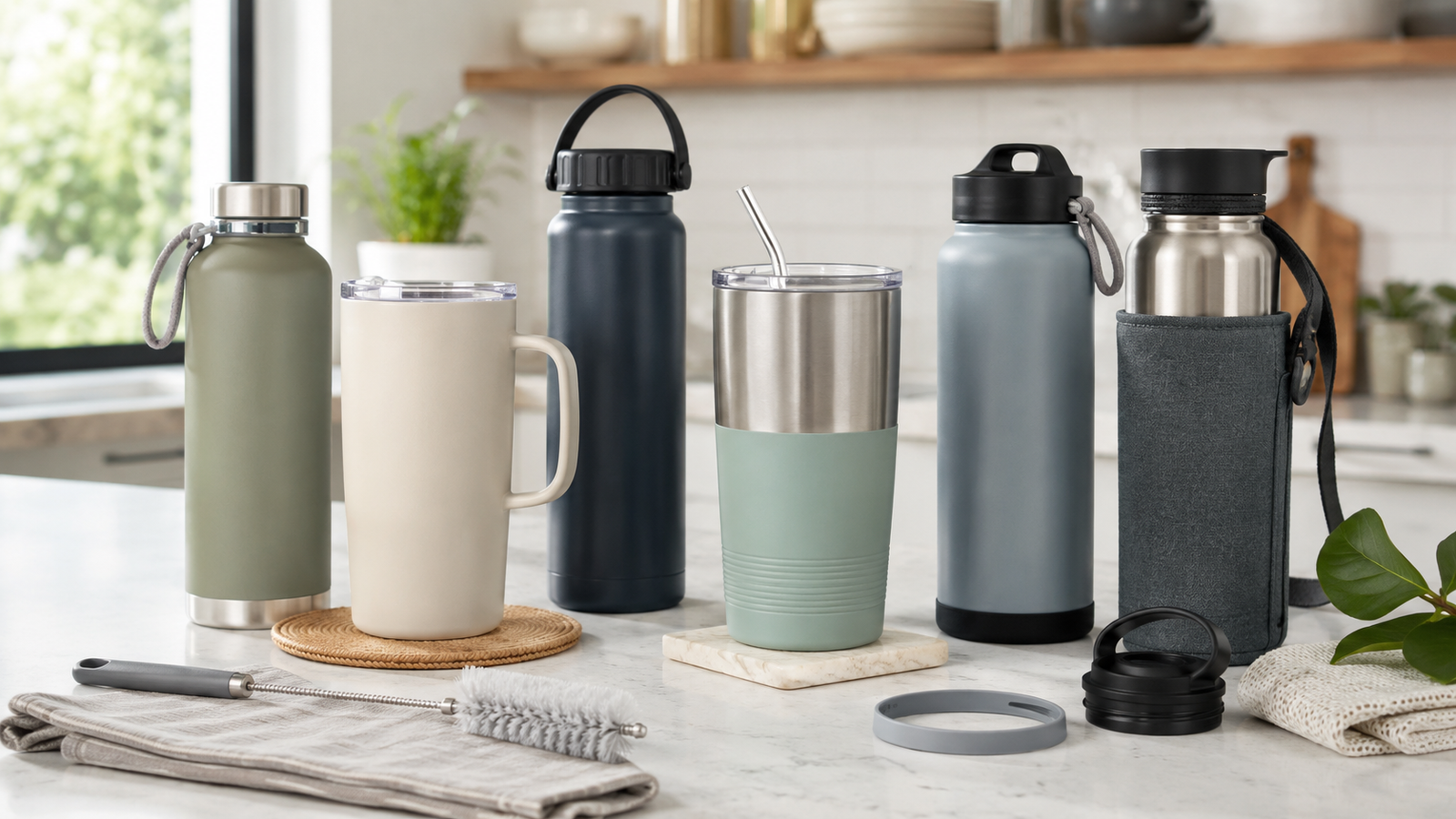
Staying hydrated does not require an expensive bottle, a complicated tracking system or a shelf full of electrolyte products.
For most people, the most useful hydration product is simply the one that makes drinking enough fluid easier throughout the day.
That may be:
- a lightweight reusable bottle;
- an insulated bottle that keeps water cold;
- a large-capacity bottle for long workdays;
- a tumbler with a straw;
- an electrolyte product for specific situations;
- or no special product at all beyond a convenient glass or bottle.
The useful question is not:
“Which hydration product is the most advanced?”
It is:
“What makes it easier for me to drink appropriately throughout the day, and which product fits my routine without creating unnecessary cost, waste or complexity?”
Hydration needs vary with activity, climate, body size, diet, pregnancy, illness and individual health conditions. A product can support the habit, but it cannot determine exactly how much fluid every person should drink.
This guide explains how to choose practical hydration products, what features genuinely matter and when more specialized products such as electrolyte drinks may—or may not—be useful.
Start With the Habit, Not the Bottle
Before comparing materials or brands, identify why you are considering a hydration product.
Common goals include:
- remembering to drink water;
- carrying water during work or travel;
- keeping drinks cold;
- avoiding disposable bottles;
- having water available during exercise;
- measuring approximate intake;
- replacing fluids during heavy sweating.
Different goals require different products.
Someone working at a desk may benefit from a large insulated tumbler.
Someone commuting on public transport may need a smaller leak-resistant bottle.
Someone exercising outdoors in hot weather may prioritize:
- portability;
- capacity;
- easy drinking while moving.
The best product is therefore the one that removes friction from your routine.
How Much Water Do You Actually Need?
There is no universal requirement that every adult drink exactly the same number of litres per day.
Fluid requirements can vary depending on:
- body size;
- temperature;
- humidity;
- physical activity;
- pregnancy or breastfeeding;
- food intake;
- illness;
- medications;
- certain medical conditions.
Water also comes from:
- tea;
- coffee;
- milk;
- soups;
- fruits;
- vegetables;
- other foods and drinks.
So your daily hydration is not determined only by how many bottles of plain water you finish.
For most healthy adults, thirst, regular access to fluids and normal dietary habits provide useful guidance.
People with medical conditions affecting the:
- kidneys;
- heart;
- liver;
or those taking certain medications may have specific fluid recommendations and should follow professional advice rather than generic hydration targets.
Do You Need to Track Every Millilitre?
Usually not.
Precise tracking may be useful in certain circumstances, but many people can maintain hydration with simple habits.
For example:
- drink with meals;
- keep water nearby;
- drink when thirsty;
- increase access during exercise or hot weather.
A marked bottle can help if you frequently forget to drink.
But printed hourly targets are not medically precise prescriptions.
Treat them as behavioural reminders rather than instructions that must be followed regardless of thirst, climate or activity.
Signs You May Need More Fluids
Common signs that can occur with inadequate fluid intake include:
- thirst;
- dry mouth;
- darker urine;
- reduced urination;
- headache;
- fatigue;
- dizziness.
These symptoms are not specific to dehydration and can have other causes.
Severe symptoms, persistent vomiting or diarrhoea, confusion, fainting or inability to keep fluids down may require medical attention rather than simply drinking from a larger bottle.
Start With the Right Bottle Size
Bottle capacity has a major effect on convenience.
Common sizes include:
- 350–500 ml;
- 600–750 ml;
- approximately 1 litre;
- larger 1.5–2 litre containers.
Each has advantages.
Small Bottles
Useful for:
- handbags;
- short commutes;
- children;
- short workouts;
- people who prefer lightweight bottles.
Advantages:
- easy to carry;
- easy to refill;
- fits many cup holders.
Drawback:
You may need to refill frequently.
Medium Bottles
Around 600–750 ml is a useful middle ground for many people.
They can work well for:
- office;
- gym;
- commuting;
- everyday errands.
They provide meaningful capacity without becoming excessively heavy.
One-Litre Bottles
Useful for:
- long work sessions;
- outdoor activity;
- people who dislike frequent refilling.
But remember:
One litre of water weighs roughly one kilogram before including the bottle itself.
A large metal bottle can therefore become surprisingly heavy.
Extra-Large Bottles
Large 1.5–2 litre containers can be convenient when refill access is limited.
However, they can be:
- heavy;
- awkward to carry;
- difficult to clean;
- unsuitable for cup holders.
Do not assume the largest capacity is automatically the best.
Reusable Water Bottle Materials
Material affects:
- weight;
- durability;
- insulation;
- taste;
- cleaning.
Stainless Steel Bottles
Stainless steel is popular for insulated bottles.
Advantages can include:
- durability;
- good temperature retention when double-walled;
- reduced condensation;
- resistance to everyday wear.
Potential drawbacks:
- heavier than plastic;
- may dent;
- usually more expensive.
For people who like cold water for many hours, insulated stainless steel can be particularly practical.
Plastic Bottles
Reusable plastic bottles can be:
- lightweight;
- affordable;
- easy to carry.
Look for products intended for repeated food and beverage use.
Advantages:
- low weight;
- often inexpensive;
- many lid styles.
Potential drawbacks:
- may scratch over time;
- can retain odours;
- usually does not insulate as well as double-wall steel.
Replace bottles that become:
- cracked;
- excessively scratched;
- difficult to clean.
Glass Bottles
Glass is appealing because it:
- does not usually retain flavours;
- feels clean and neutral;
- is easy to inspect.
Potential disadvantages:
- heavier;
- breakable;
- less suitable for sports or travel.
Protective silicone sleeves can improve grip and reduce minor impact risk, but glass remains more fragile than steel or plastic.
Insulated vs Non-Insulated Bottles
This decision mostly depends on whether temperature matters to you.
Insulated Bottles
Useful if you want:
- cold water for many hours;
- less condensation;
- comfortable use in hot climates.
They are often heavier and more expensive.
Non-Insulated Bottles
Useful if:
- room-temperature water is fine;
- weight matters;
- you refill frequently;
- cost is a priority.
There is no hydration advantage to cold water itself for ordinary daily use if you prefer room-temperature water.
Choose according to comfort.
Does Water Temperature Matter?
For everyday hydration, drinking water at the temperature you prefer is usually the practical approach.
Some people drink more when water is:
- cold;
- chilled;
- room temperature.
The most useful temperature is the one that encourages comfortable, regular drinking.
During exercise in hot conditions, cooler fluids may feel more pleasant and can encourage intake.
Straw vs Spout vs Screw Cap
Lid design can influence how much you actually use the bottle.
Straw Lids
Advantages:
- easy sipping;
- convenient at a desk;
- useful during exercise;
- may encourage frequent drinking.
Potential drawbacks:
- more parts to clean;
- straws can retain residue;
- leak resistance varies.
Chug Spouts
These allow faster drinking.
Useful for:
- gym;
- outdoor activity;
- people who prefer larger sips.
Make sure the opening is comfortable and the cap seals securely.
Screw-Top Bottles
Simple and reliable.
Advantages:
- fewer parts;
- easier cleaning;
- often good leak resistance.
Drawback:
You have to remove the cap each time.
Flip-Top Lids
Convenient for one-handed use.
But more hinges and seals mean:
- more areas to clean;
- more components that can eventually wear.
The best lid is often the simplest one you will use consistently.
Leak Resistance Matters
If the bottle goes into:
- laptop bags;
- backpacks;
- handbags;
leak resistance should be a priority.
Look for:
- secure threading;
- locking mechanisms;
- replaceable silicone seals;
- clearly stated leak-resistant design.
Test a new bottle with water before carrying it beside electronics.
A bottle can be excellent for desk use even if it is not suitable for a bag.
Cup-Holder Compatibility
This sounds minor until you use the bottle every day.
If you drive frequently, check whether the bottle fits:
- car cup holders;
- gym-machine holders;
- bicycle cages if relevant.
Very wide bottles may be stable on a desk but inconvenient during travel.
Handle Design
Large bottles benefit from:
- integrated handles;
- sturdy loops;
- comfortable grip.
A one-litre steel bottle without a handle can be difficult to carry when full.
For travel, check whether the handle:
- folds;
- catches on objects;
- feels strong enough for the filled weight.
Bottle Opening Size
Wide-mouth bottles are easier to:
- add ice;
- clean manually;
- fill quickly.
Narrow-mouth bottles may be easier to:
- drink from while walking;
- control flow.
Some bottles combine:
- wide cleaning opening;
- smaller drinking spout.
That can offer a useful balance.
Cleaning Should Be a Major Buying Factor
A hydration product used every day should be easy to clean properly.
Look for:
- wide openings;
- removable seals;
- removable straws;
- few inaccessible cavities.
Complicated lids can accumulate residue around:
- valves;
- gaskets;
- threads;
- straw connectors.
If you cannot easily inspect these areas, routine cleaning becomes more difficult.
How Often Should You Clean a Water Bottle?
A bottle used daily should generally be washed regularly, particularly if you:
- drink directly from it;
- use flavoured drinks;
- add electrolyte mixes;
- use milk-based beverages.
Follow manufacturer instructions.
For ordinary water use, a practical routine is:
- empty remaining water;
- wash bottle and lid;
- rinse thoroughly;
- allow parts to dry.
Do not forget the lid.
It often accumulates more residue than the bottle itself.
Dishwasher-Safe Does Not Mean Every Component Is Dishwasher-Safe
Check whether:
- bottle;
- lid;
- straw;
- seals;
are all dishwasher compatible.
Some insulated bottles may require hand washing to protect finishes or vacuum seals.
Follow the product instructions rather than assuming.
Bottles With Time Markings
Time-marked bottles can help people who frequently forget to drink.
They may show targets such as:
- 8 AM;
- 10 AM;
- noon;
- afternoon.
These should be viewed as reminders.
They do not account for:
- body size;
- exercise;
- temperature;
- diet;
- medical needs.
Do not force yourself to drink excessive quantities simply because a printed line says the bottle should be empty by a certain time.
Smart Water Bottles
Smart bottles may include:
- hydration reminders;
- lights;
- phone apps;
- intake tracking.
These can help people who genuinely benefit from behavioural reminders.
But consider:
- charging;
- app dependence;
- cleaning limitations;
- added cost;
- battery lifespan.
A ₹3,000 smart bottle does not hydrate you more effectively than a simple bottle unless its reminders actually improve your behaviour.
Hydration Tumblers
Large insulated tumblers have become popular for desk and car use.
They can be convenient because they:
- hold a large volume;
- keep water cold;
- provide easy straw access;
- sit beside you throughout the day.
However, large tumblers may:
- leak if tipped;
- be awkward in a bag;
- contain complicated lid components.
They are often excellent stationary hydration tools but weaker travel bottles.
When a Tumbler Is Better Than a Bottle
Choose a tumbler if you primarily drink water:
- at a desk;
- while driving;
- around the house.
Choose a sealed bottle if you need to:
- carry it in a bag;
- walk with it;
- travel;
- take it to the gym.
Hydration During Exercise
Fluid needs can increase during exercise because of sweating.
The amount varies substantially with:
- workout intensity;
- duration;
- temperature;
- humidity;
- clothing;
- individual sweat rate.
For shorter routine workouts, plain water is often sufficient.
Longer or particularly sweaty sessions may require more planning.
Bottle Choice for the Gym
Useful features include:
- one-handed operation;
- leak-resistant lid;
- durable body;
- easy cleaning;
- enough capacity for the session.
For strength training, a simple 600–1000 ml bottle is often practical.
For long endurance activities, carrying strategy becomes more important.
Hydration During Outdoor Exercise
For outdoor activity, consider:
- temperature;
- duration;
- refill availability;
- carrying weight.
Options can include:
- handheld bottles;
- hydration belts;
- soft flasks;
- hydration vests;
- reservoirs.
Choose based on the activity.
A two-litre bottle may be useful in a car but impractical during a run.
Hydration Packs and Reservoirs
Hydration packs can be useful for:
- hiking;
- long cycling;
- trail running;
- long outdoor sessions.
Advantages:
- hands-free drinking;
- larger water capacity;
- even weight distribution.
Potential drawbacks:
- more difficult cleaning;
- hoses can retain water;
- reservoirs need thorough drying.
They are unnecessary for ordinary office or gym hydration.
Do You Need Electrolyte Drinks?
Most people do not need electrolyte drinks throughout an ordinary sedentary day.
Electrolyte replacement can be more relevant during situations involving significant fluid and salt loss, such as:
- prolonged exercise;
- heavy sweating;
- extended activity in hot conditions;
- certain illnesses involving fluid loss.
The need depends on the situation.
Electrolytes are not automatically “better hydration” than water.
What Are Electrolytes?
Electrolytes are minerals with electrical charge that have important roles in the body.
Examples include:
- sodium;
- potassium;
- chloride;
- magnesium.
Normal diets provide electrolytes every day.
You do not usually need to add electrolyte powder to every bottle of water.
Sports Drinks vs Electrolyte Products
These categories overlap but are not identical.
Sports Drinks
Often contain:
- water;
- sodium;
- carbohydrate;
- flavouring.
They can provide both:
- fluid;
- energy.
This may be useful during prolonged exercise.
But extra sugar may be unnecessary for short workouts or ordinary daily hydration.
Low-Calorie Electrolyte Drinks
These may provide:
- sodium;
- other electrolytes;
- little or no carbohydrate.
They can be useful in specific situations but are not automatically required.
Electrolyte Tablets or Powders
Convenient for:
- travel;
- endurance activity;
- carrying small servings.
Check:
- sodium content;
- sugar;
- serving size;
- sweeteners.
Do not assume that more minerals mean better hydration.
Oral Rehydration Solution Is Different
Medical oral rehydration solutions are designed with specific concentrations of:
- glucose;
- sodium;
- other electrolytes;
to improve fluid absorption during conditions such as significant diarrhoeal illness.
They are different from ordinary sports drinks and lifestyle electrolyte powders.
If dehydration is caused by substantial illness, use appropriate medical guidance rather than substituting a random fitness electrolyte product.
Can You Drink Too Much Water?
Yes.
Drinking extremely large quantities of water over a short period can dilute blood sodium levels and become dangerous.
For most people drinking according to ordinary thirst, this is uncommon.
The risk becomes more relevant when someone intentionally consumes excessive water during:
- endurance events;
- challenges;
- forced hydration routines.
Do not assume that if some water is good, unlimited water must be better.
What About “One Gallon a Day” Challenges?
Large fixed-volume hydration challenges are not appropriate for everyone.
They ignore:
- body size;
- climate;
- exercise;
- dietary fluid;
- medical conditions.
A gallon-sized bottle can be convenient for some users, but the printed capacity should not become a universal daily prescription.
Flavoured Water
If plain water feels boring, flavour can help some people drink more.
Options include:
- lemon;
- cucumber;
- mint;
- fruit infusions;
- commercially flavoured water.
If using fresh ingredients:
- keep the bottle clean;
- refrigerate where appropriate;
- do not leave fruit-infused water sitting warm for long periods.
Infuser Bottles
Infuser bottles include a compartment for:
- fruit;
- herbs.
They can make water more appealing.
The downside is additional cleaning.
Fruit fibres can become trapped in:
- mesh;
- lids;
- small compartments.
Choose a model you can fully disassemble.
Carbonated Water
Plain carbonated water can contribute to hydration.
For most people, it can be part of ordinary fluid intake.
However, some people experience:
- bloating;
- burping;
- discomfort.
Check added ingredients because flavoured sparkling drinks may also contain:
- sugar;
- sodium;
- sweeteners.
Tea and Coffee Count Toward Fluid Intake
Caffeinated drinks can contribute to overall fluid intake.
Moderate coffee and tea consumption does not automatically dehydrate healthy regular consumers.
However, beverages containing:
- large amounts of sugar;
- excessive caffeine;
should not necessarily become your primary hydration strategy.
Plain water remains a simple default.
Hydration Products for Work
For desk-based work, priorities often include:
- easy access;
- sufficient capacity;
- stable base;
- convenient drinking.
A large bottle or tumbler placed within reach can reduce the friction of repeatedly getting up to refill a small glass.
But placing a bottle on the desk does not guarantee you will use it.
Build hydration into routine cues such as:
- beginning work;
- meals;
- breaks.
Hydration Products for Travel
Travel introduces different priorities.
Look for:
- secure closure;
- manageable size;
- lightweight construction;
- easy filling.
Empty reusable bottles can often be carried through airport security and filled afterwards, subject to local rules.
Consider how easily you can clean the bottle while away from home.
Hydration Products for Children
Children need bottles that are:
- easy to open;
- lightweight;
- leak-resistant;
- easy to clean.
Avoid overly complicated lids that caregivers cannot inspect thoroughly.
Bottle size should be appropriate for the child’s:
- age;
- school bag;
- ability to carry it.
Hydration needs vary with activity and weather.
Hydration Products for Older Adults
Some older adults may experience reduced thirst awareness.
Practical products may help by making fluids:
- visible;
- accessible;
- easy to handle.
Consider:
- lightweight bottles;
- easy-open lids;
- comfortable handles;
- clear volume markings.
People with medically prescribed fluid restrictions should follow those instructions rather than increasing intake independently.
BPA-Free Claims
Many reusable plastic products highlight “BPA-free.”
This can be useful information, but it should not be the only quality criterion.
Also consider:
- whether the product is intended for food contact;
- durability;
- heat limitations;
- cleaning guidance.
Do not pour boiling liquid into a plastic bottle unless the manufacturer specifically allows it.
Using Bottles for Hot Drinks
Only use a bottle for hot liquids if it is designed for them.
Some insulated stainless-steel bottles support:
- coffee;
- tea.
Others use lids or straws that may not be safe or comfortable with hot liquids.
A straw lid combined with very hot liquid can create a burn risk.
Follow manufacturer temperature guidance.
Odour Retention
Some bottles can retain smells from:
- electrolyte drinks;
- juice;
- coffee;
- flavoured beverages.
To reduce this:
- wash soon after use;
- remove seals;
- clean straws thoroughly;
- allow components to dry.
If odour persists, follow the manufacturer’s deep-cleaning recommendations.
How to Compare Hydration Product Value
Do not compare only the purchase price.
Consider:
- material;
- durability;
- capacity;
- insulation;
- lid quality;
- replacement components;
- expected lifespan.
A ₹500 bottle that lasts several years may be better value than a ₹250 bottle that quickly cracks or leaks.
But spending ₹4,000 on a bottle does not automatically provide better hydration.
Pay for features you will actually use.
Replacement Lids and Straws
A replaceable lid can extend the useful life of the bottle.
Check whether the manufacturer sells:
- lid seals;
- straws;
- caps;
- replacement lids.
Throwing away an entire steel bottle because one small plastic component breaks creates unnecessary waste and cost.
Common Hydration Product Buying Mistakes
Buying Too Large
A huge bottle may look convenient but become too heavy to carry.
Buying Too Small
Frequent refilling can become annoying enough that you simply stop using the bottle.
Ignoring Cleaning
A complicated straw bottle may require more maintenance than you expect.
Choosing a Bottle Because of Social-Media Trends
A fashionable bottle is useful only if it fits:
- your bag;
- your cup holder;
- your routine.
Using Electrolytes Automatically
Ordinary daily hydration does not require electrolyte powder for everyone.
Treating Bottle Markings as Medical Instructions
Hydration targets should reflect individual circumstances.
Forcing Water When You Are Not Thirsty
More is not always better.
Forgetting the Weight of the Water
Large bottles become significantly heavier when full.
Quick Hydration Product Decision Guide
| Your priority | What to consider |
|---|---|
| Everyday office use | 600 ml–1 L bottle or tumbler |
| Commuting | Leak-resistant lightweight bottle |
| Cold water | Insulated stainless steel |
| Low weight | Reusable plastic bottle |
| Easy cleaning | Wide-mouth simple lid |
| Frequent sipping | Straw or flip-top |
| Gym | Durable 600 ml–1 L bottle |
| Long outdoor activity | Higher capacity or hydration system |
| Tracking intake | Marked bottle if reminders help |
| Heavy sweating | Appropriate fluid + electrolyte strategy |
| Budget | Simple durable bottle with replaceable parts |
Before You Buy: Final Checklist
Ask yourself:
- Where will I use the bottle most?
- How often can I refill it?
- What capacity is practical for me?
- How heavy will it be when full?
- Do I want insulated or room-temperature water?
- Does it need to fit a cup holder?
- Will I carry it in a bag?
- Is the lid genuinely leak-resistant?
- Can I clean every part easily?
- Does the straw or seal come apart?
- Are replacement lids available?
- Do I actually need intake markings?
- Do I actually need electrolyte products?
- Am I paying for useful design or mostly branding?
Frequently Asked Questions
How much water should I drink every day?
There is no single universal volume for everyone. Needs vary with body size, activity, climate, diet and health.
Does coffee count toward hydration?
Yes, caffeinated drinks can contribute to total fluid intake, although plain water remains a practical default.
Is cold water better for hydration?
Not generally for everyday use. Drink the temperature you prefer and are most likely to consume comfortably.
Are stainless-steel bottles better than plastic?
Not universally. Stainless steel is durable and can provide insulation; plastic is lighter and often cheaper.
Is a one-litre bottle a good size?
It can be very practical for work or gym use, but it weighs more than a smaller bottle when full.
Do I need electrolytes every day?
Most healthy people eating a normal diet do not need electrolyte supplements for ordinary daily hydration.
When are electrolyte drinks useful?
They may be useful during significant sweating, prolonged exercise or certain situations involving fluid loss.
Is sports drink better than water for the gym?
For many short or moderate workouts, water is sufficient. Longer or very sweaty exercise can change fluid and electrolyte needs.
Are time-marked bottles useful?
They can be useful behavioural reminders, but their printed schedules are not individualized hydration prescriptions.
Can drinking too much water be harmful?
Yes. Extremely excessive intake over a short period can be dangerous.
How often should I clean my bottle?
Clean it regularly, ideally frequently when it is used every day. Clean lids, straws and seals as carefully as the bottle itself.
Can I put electrolyte powder in my normal bottle?
Usually yes if the bottle material is suitable, but wash it thoroughly afterwards because flavoured mixes can leave residue.
Is a straw bottle more hygienic?
Not inherently. Straws can work well but require thorough cleaning.
Does sparkling water count toward hydration?
Plain sparkling water can contribute to fluid intake.
Do I need a smart bottle?
No. It is useful only if the reminder and tracking features genuinely help you maintain better habits.
The Physical Glow Takeaway
Choose hydration products according to your routine first and the product features second.
A reusable bottle should make drinking easier, not create another task. Capacity, weight, leak resistance, ease of cleaning and lid design usually matter more than app connectivity or fashionable branding.
For ordinary daily hydration, plain water is sufficient for many people. Electrolyte products have a role during prolonged exercise, heavy sweating or specific fluid-loss situations, but they do not need to be added automatically to every bottle.
Avoid rigid one-size-fits-all drinking targets. Fluid needs change with activity, weather, diet and individual health.
The best hydration product is ultimately the one that stays clean, accessible and convenient enough that you naturally reach for it throughout the day.