Philips AC1215 Air Purifier Review: Targeted Filtration for Home and Office
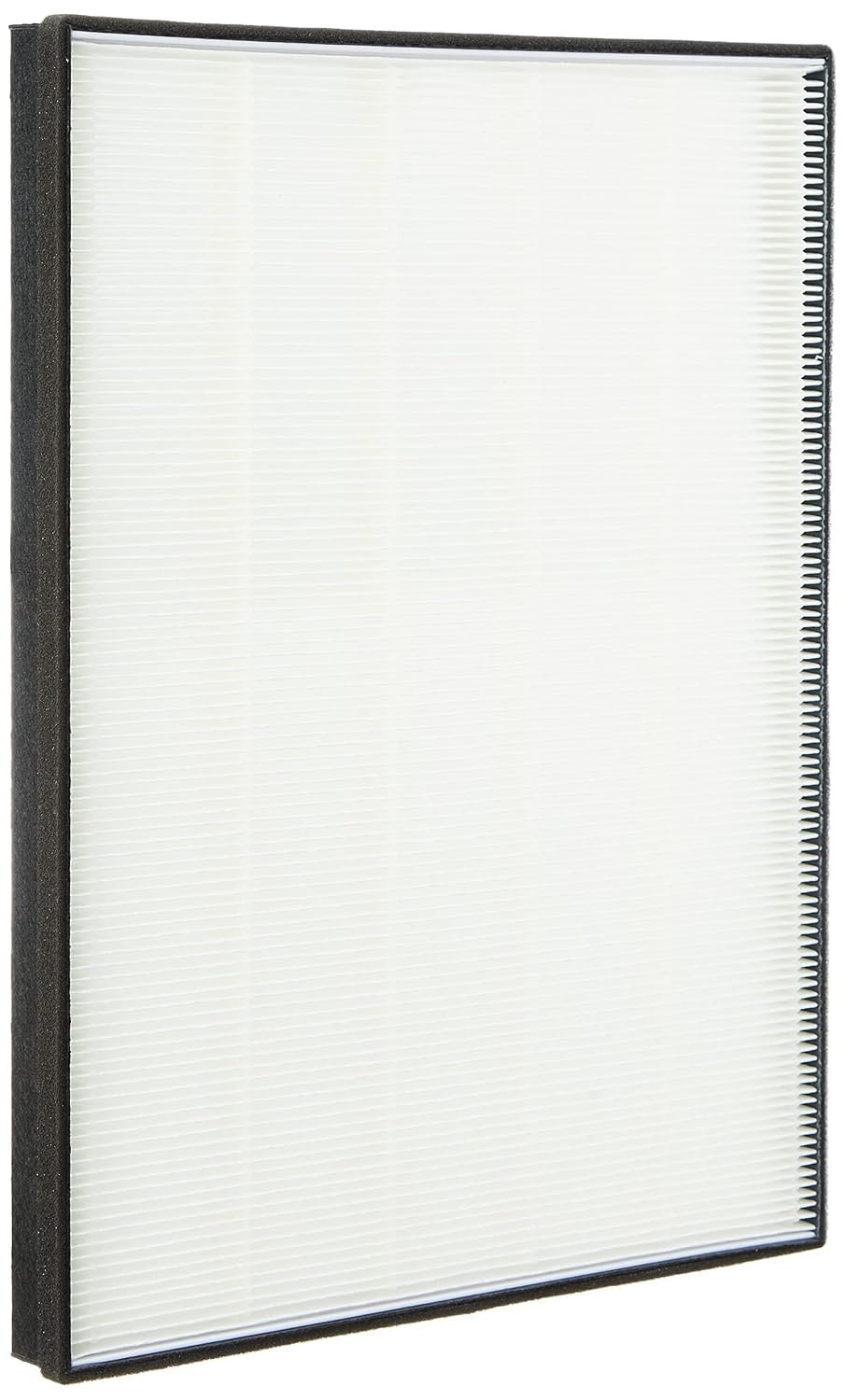
The Philips AC1215 Air Purifier is positioned as a room air purifier for home and office use, with claims of removing 99.99% of pollutants and micro allergens. Its HEPA NanoProtect filter technology is a notable feature, but real-world performance data is not specified.
Physical Glow Verdict
The Philips AC1215 Air Purifier is positioned as a capable solution for filtering pollutants and micro allergens in home and office environments, with the brand highlighting advanced HEPA NanoProtect filter technology and broad coverage. However, the absence of independent performance data and specific usage details means potential buyers should weigh these factors and consider their own space and needs before making a decision.
Indoor air quality has become a central concern for many, especially in urban environments where pollutants and allergens are prevalent. The Philips AC1215 Air Purifier is positioned by Philips as a solution for cleaner air in both home and office settings, promising advanced filtration and broad coverage. But how much can you rely on its claims, and what should you know before considering it for your space?
What the Philips AC1215 Air Purifier Is Designed to Do
Philips positions the AC1215 as a room air purifier intended for use in both home and office environments. According to the manufacturer, its primary function is air filtration, with a stated ability to remove 99.99% of pollutants and micro allergens. The device is specified to cover up to 465 square feet, which is a relevant consideration for those looking to address air quality in medium-sized rooms or workspaces.
Filtration Technology and Coverage
A notable aspect of the AC1215 is its use of HEPA NanoProtect filters. According to general scientific context provided by Philips, these filters are capable of capturing particles as small as 0.003 microns—reportedly 100 times smaller than the standard HEPA threshold and even smaller than the smallest known virus. While this speaks to the theoretical filtration capability of the technology, the review does not include independent performance data specific to this model. The manufacturer also claims the device is effective against pollutants and micro allergens, which are common concerns in both residential and office environments.
Intended Use and Practical Considerations
The AC1215 is positioned for use in both homes and offices, with suitability for spaces dealing with pollutants and micro allergens. The stated coverage area of 465 square feet provides a practical guideline for room size, though details such as noise level, energy consumption, and specific usage directions are not specified in the available information. For buyers, this means the product may be relevant for bedrooms, living rooms, or small office spaces, but additional research may be needed for those with specialized needs or larger areas.
Limitations and What Remains Unknown
While the AC1215’s filtration claims are ambitious, the review does not include independent evidence or product-specific performance data to verify these outcomes in real-world conditions. There is also no information on the full ingredient list, detailed usage directions, or maintenance requirements. As with many air purifiers, understanding filter replacement intervals and operational costs can be important, but such details are not provided here.
Pros
- Positioned for both home and office use
- Manufacturer claims removal of 99.99% pollutants and micro allergens
- Covers up to 465 square feet
- Features HEPA NanoProtect filter technology
Frequently asked questions
- What is the primary function of the Philips AC1215 Air Purifier?
- Its primary function is air filtration for room environments.
- What size room does the AC1215 cover?
- According to the manufacturer, it covers up to 465 square feet.
- What filtration technology does the AC1215 use?
- It uses HEPA NanoProtect filters, which are stated to capture particles as small as 0.003 microns.