How to Build Better Sleep Habits: A Practical Guide
Learn how to build better sleep habits with a practical evening routine, with practical guidance on sleep timing, light, caffeine, bedroom environment, wind-down habits and consistency. This beginner-friendly guide helps you make a clear, informed choice without unnecessary complexity.
Better sleep is often marketed as a product problem.
You may be encouraged to buy:
- a new mattress;
- a premium pillow;
- a sleep tracker;
- blackout curtains;
- supplements;
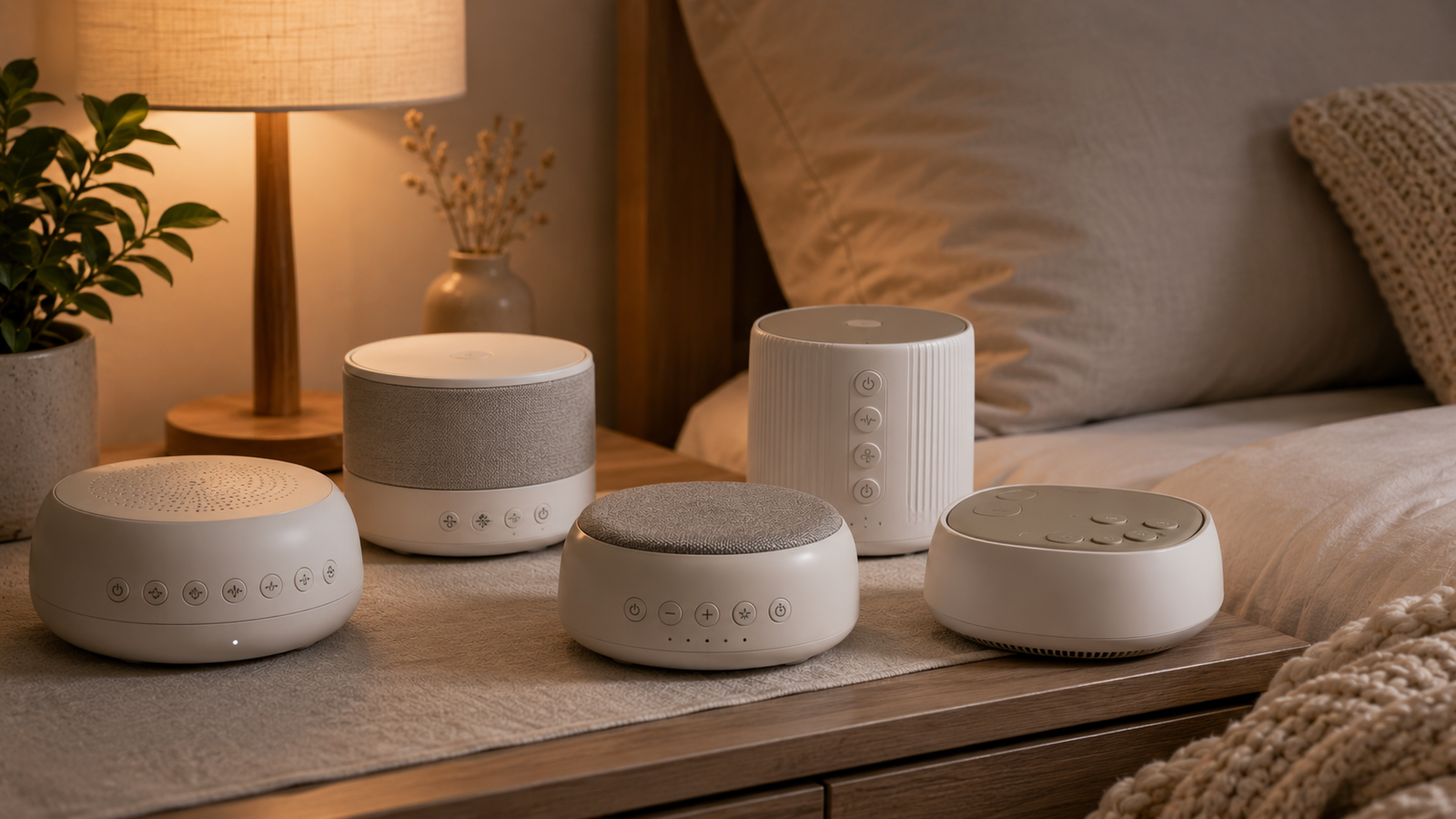
- white-noise machines;
- cooling bedding;
- smart lighting;
- special sleep drinks.
Some of these products can genuinely improve a sleep environment.
But the foundation of better sleep is usually much simpler:
consistent habits that give your body enough opportunity to sleep and make the transition from daytime activity to nighttime rest easier.
The useful question is not:
“Which sleep product will make me sleep perfectly?”
It is:
“What is currently interfering with my sleep, and which parts of my daily routine can I realistically improve?”
That could involve:
- an inconsistent bedtime;
- insufficient time in bed;
- late caffeine;
- alcohol;
- bright evening light;
- phone use in bed;
- uncomfortable temperature;
- environmental noise;
- stress;
- irregular exercise;
- long or late naps.
A practical sleep routine does not need to be perfect every night. It needs to be predictable enough that good sleep becomes the default more often than not.
This guide explains how to build better sleep habits, improve the bedroom environment, manage common obstacles and understand when poor sleep may require more than lifestyle changes.
What Does “Good Sleep” Actually Mean?
Good sleep is not simply the number of hours you spend in bed.
A useful sleep pattern generally includes:
- enough total sleep for your individual needs;
- reasonably consistent timing;
- the ability to fall asleep without prolonged struggle most nights;
- relatively limited unwanted awakenings;
- waking with enough energy to function through the day.
Occasional poor nights are normal.
Sleep naturally changes because of:
- stress;
- travel;
- illness;
- workload;
- exercise;
- family responsibilities;
- changes in schedule.
The goal should not be to achieve a perfect sleep score every night.
Instead, focus on your overall pattern across weeks and months.
How Much Sleep Do Adults Need?
Sleep needs vary between individuals.
For most adults, a commonly used broad target is approximately:
7–9 hours per night.
Some people naturally function well toward one end of that range, while others need more.
The number alone does not tell the full story.
For example:
8 hours in bed does not necessarily equal 8 hours asleep.
You may spend time:
- falling asleep;
- briefly waking;
- getting out of bed.
The more practical question is whether you regularly obtain enough sleep to:
- stay alert;
- function well;
- recover;
- maintain normal mood and concentration.
More Sleep Is Not Automatically Better
Trying to remain in bed for extremely long periods does not guarantee better rest.
If you routinely spend much more time in bed than you can actually sleep, you may spend increasing amounts of time:
- awake;
- frustrated;
- checking the clock.
Focus first on:
- adequate sleep opportunity;
- regular timing;
- good sleep conditions.
Sleep Need Can Change
Your sleep requirements may change according to:
- age;
- illness;
- physical activity;
- sleep debt;
- pregnancy;
- overall health.
After several nights of insufficient sleep, you may naturally need more recovery sleep.
Do not assume that one exact number must remain identical throughout your life.
Start With Your Wake-Up Time
One of the simplest ways to organize sleep is to work backward from the time you need to wake.
Suppose you normally need to wake at:
7:00 AM
and you function best with around eight hours of sleep.
You would ideally create enough sleep opportunity by being ready for sleep somewhere around:
11:00 PM
with additional time allowed if you do not fall asleep immediately.
This is generally more useful than randomly deciding:
“I will go to bed early tonight.”
A Consistent Wake Time Is Powerful
Your body follows a roughly 24-hour biological timing system often referred to as the circadian rhythm.
Regular wake times help provide a consistent timing signal.
Try to keep your wake time reasonably stable across:
- weekdays;
- weekends.
This does not mean waking at exactly the same minute every day.
But very large differences can make it harder to maintain a stable sleep schedule.
Weekend Sleep-Ins
Sleeping somewhat later after a demanding week can be understandable.
The problem comes when weekends effectively become a different time zone.
For example:
Weekdays
Sleep:
11:00 PM – 7:00 AM
Weekend
Sleep:
2:30 AM – 11:00 AM
Returning to a 7:00 AM Monday wake-up can then feel much harder.
Moderate consistency usually works better than completely changing the schedule every weekend.
Build Bedtime Around Actual Sleepiness
Going to bed much earlier than your body is ready to sleep can create long periods of wakefulness.
If your normal sleep time is midnight, suddenly lying in bed at 9:30 PM may not make sleep begin immediately.
A better strategy is gradually shifting the routine while also controlling:
- wake time;
- morning light;
- evening stimulation.
Shift Sleep Gradually
If you want to move bedtime earlier, try small adjustments rather than dramatic changes.
For example:
12:30 AM → 12:15 AM → midnight → 11:45 PM
Gradual changes can be easier for your body to adapt to than moving bedtime several hours overnight.
Morning Light Helps Set the Day
Light is one of the strongest environmental signals influencing the body’s circadian timing.
Exposure to natural daylight after waking can help reinforce:
daytime = wakefulness
When practical:
- open curtains;
- spend some time outdoors;
- walk outside in the morning.
You do not need to stare directly at the sun.
Normal daylight exposure is enough.
Daylight Is Usually Stronger Than Indoor Light
Even a bright indoor room is often much dimmer than outdoor daylight.
A short period outside during the morning can therefore provide a stronger environmental signal than simply switching on bedroom lights.
This can be particularly useful for people who spend most of their day indoors.
Evening Light Matters Too
Bright light late in the evening can signal continued daytime activity.
You do not need to sit in darkness after sunset.
Instead, gradually reduce unnecessary brightness as bedtime approaches.
Consider:
- fewer overhead lights;
- warmer lamps;
- lower screen brightness;
- reducing unnecessary bright-room lighting.
The goal is to create a clear transition:
day → evening → sleep
Build a Wind-Down Period
Sleep usually works better when the brain is given a transition period rather than moving directly from intense activity into bed.
A practical wind-down may last:
- 20 minutes;
- 30 minutes;
- an hour.
There is no required duration.
The important thing is that it feels calmer than the part of the day that came before it.
What Can a Wind-Down Routine Include?
Examples include:
- showering;
- brushing teeth;
- changing into sleep clothes;
- dimming lights;
- reading;
- gentle stretching;
- quiet music;
- preparing tomorrow’s essentials;
- simple breathing exercises.
The routine does not need ten separate steps.
Choose two or three that are easy to repeat.
Repetition Makes the Routine Useful
The value of a bedtime routine is partly that the same sequence becomes associated with sleep.
For example:
shower → brush teeth → dim lamp → read → lights out
Repeated regularly, these actions become predictable cues.
The routine does not need expensive equipment to work as a useful transition.
Keep Work Out of the Wind-Down Period
One of the biggest barriers to sleep is carrying active work right up to bedtime.
This can include:
- emails;
- spreadsheets;
- business messages;
- planning;
- problem solving.
Where practical, establish a time when work stops.
Even a short boundary helps create separation between:
performance mode
and:
rest mode.
Write Down Tomorrow’s Tasks
If your mind keeps repeating:
- things you must remember;
- unfinished jobs;
- worries about tomorrow;
writing them down can help externalize them.
A simple notebook can contain:
- tomorrow’s priorities;
- appointments;
- reminders.
You do not need a detailed wellness journal.
The goal is simply to tell yourself:
“I do not need to keep rehearsing this in my head.”
Phones and Sleep
Phones can interfere with sleep in several ways.
The issue is not only screen light.
Phones also provide:
- social interaction;
- news;
- work;
- entertainment;
- endless novelty;
- notifications.
You may intend to check something for five minutes and discover that 45 minutes have passed.
Create a Phone Boundary
You do not necessarily need a total digital detox.
Try practical changes such as:
- enable Do Not Disturb;
- reduce notifications;
- place the phone out of arm’s reach;
- stop social media before bed;
- charge the device away from the pillow.
Choose the smallest change that solves your actual problem.
The Bed Should Not Become an Entertainment Centre
If the bed is regularly used for:
- work;
- emails;
- social media;
- long videos;
- gaming;
your brain receives mixed signals about what the environment represents.
Where practical, reserve the bed primarily for:
- sleep;
- intimate activity.
That association can help make the sleep environment more distinct.
Television Before Bed
Watching television is relaxing for some people.
The important question is not whether television is universally “bad.”
Ask:
- Does it delay my bedtime?
- Do I continue watching episode after episode?
- Do I fall asleep with loud or stimulating content playing?
- Does it help me unwind?
If it does not interfere with sleep timing, it may be compatible with your routine.
If it regularly pushes bedtime later, it needs adjustment.
Caffeine and Sleep
Caffeine is a stimulant.
It can improve:
- alertness;
- concentration;
- exercise performance.
But it can also interfere with sleep when consumed too late.
Common sources include:
- coffee;
- tea;
- energy drinks;
- cola;
- pre-workout supplements;
- some chocolate products;
- certain medications.
Caffeine Can Remain Active for Hours
The effects of caffeine do not disappear immediately after you finish a drink.
Sensitivity varies considerably.
Some people can drink coffee in the afternoon without noticing obvious problems.
Others find that even relatively early caffeine affects:
- falling asleep;
- sleep depth;
- nighttime awakenings.
Find Your Personal Caffeine Cut-Off
Instead of assuming everyone needs the same rule, experiment.
If sleep is poor and you consume caffeine late in the day, try moving the final serving earlier.
For example:
4 PM → 2 PM → noon
and observe whether sleep improves.
Be particularly cautious with high-dose:
- energy drinks;
- pre-workout products.
Coffee Is Not the Only Source
People sometimes say:
“I don’t drink coffee at night.”
while consuming:
- tea;
- cola;
- energy drinks;
- chocolate;
- pre-workout supplements.
Count the full day’s caffeine exposure.
Alcohol and Sleep
Alcohol can make some people feel sleepy initially.
That can create the impression that it helps sleep.
But sedation is not the same as healthy sleep.
Alcohol can contribute to:
- fragmented sleep;
- nighttime awakenings;
- snoring;
- worsening sleep-disordered breathing;
- poorer sleep quality.
If improving sleep is the goal, alcohol should not be used as a sleep aid.
Alcohol Can Create a Misleading Pattern
The sequence may look like:
drink → become sleepy → fall asleep quickly
but later involve:
lighter sleep → awakenings → poor morning recovery
Pay attention to how you feel across the entire night and following day, not just how quickly you fall asleep.
Nicotine and Sleep
Nicotine is also a stimulant.
Nicotine-containing products can affect:
- alertness;
- sleep onset;
- sleep quality.
If sleep problems persist, evening nicotine use is another factor worth considering.
Food and Bedtime
Going to bed:
- extremely hungry;
- overly full;
can both be uncomfortable.
Large meals close to bedtime may contribute to:
- fullness;
- reflux;
- digestive discomfort.
If possible, allow your main evening meal enough time to digest before lying down.
Do You Need a Special Bedtime Snack?
Not necessarily.
If you are genuinely hungry, a small normal snack may be reasonable.
You do not need a specialized “sleep food.”
The goal is simply to avoid uncomfortable hunger or overeating.
Acid Reflux at Night
People with reflux may find symptoms worsen when lying down soon after eating.
Practical strategies can include:
- avoiding large late meals;
- identifying trigger foods;
- following medical guidance when reflux is persistent.
Frequent nighttime reflux should not simply be accepted as normal poor sleep.
Hydration Before Bed
Adequate hydration during the day is important.
But drinking very large quantities immediately before sleep may lead to repeated nighttime bathroom trips.
A better approach is to hydrate consistently throughout the day rather than trying to catch up at bedtime.
Exercise and Sleep
Regular physical activity can support better sleep for many people.
Useful activities include:
- walking;
- resistance training;
- cardio;
- recreational sport;
- mobility work.
Exercise also contributes to overall health independent of sleep.
You Do Not Need to Exercise Intensely Every Day
Consistent moderate activity is enough to support a healthy routine.
A hard workout every night is not required.
If evening high-intensity exercise leaves you:
- highly stimulated;
- overheated;
- unable to settle;
try moving demanding sessions earlier when practical.
Evening Exercise Is Not Automatically Bad
Many people exercise in the evening and sleep well.
There is no need to stop exercising at a convenient time unless it clearly interferes with your own sleep.
Experiment rather than following rigid internet rules.
Sedentary Days Can Affect Sleep Too
Spending the entire day:
- sitting;
- indoors;
- minimally active;
can make it harder for some people to feel physically ready for sleep.
Aim for regular daytime movement even when you do not formally exercise.
Walking is one of the simplest options.
Naps
Naps can be useful when:
- you are sleep deprived;
- work schedules require them;
- you need temporary recovery.
But long or late naps can reduce sleep pressure at bedtime.
Keep Naps Strategic
If nighttime sleep is difficult, experiment with:
- shorter naps;
- earlier naps;
- avoiding naps temporarily.
If you nap at:
7 PM for two hours
then struggle to sleep at midnight, the nap may be part of the problem.
Not Everyone Needs to Avoid Naps
Some people nap regularly without affecting nighttime sleep.
The key question is:
Does the nap interfere with my main sleep period?
If not, it may be perfectly compatible with your routine.
Bedroom Temperature
Temperature can strongly affect comfort.
A bedroom that is too:
- hot;
- cold;
- humid;
can interfere with sleep.
Many people prefer a somewhat cooler environment than during daytime activity, but there is no single perfect temperature for everyone.
Adjust the Environment Before Buying Cooling Gadgets
Try simple measures first:
- fan;
- ventilation;
- lighter bedding;
- breathable sleepwear;
- appropriate air conditioning;
- seasonal blankets.
If basic changes solve the issue, specialized cooling bedding may be unnecessary.
Humidity
Very dry air can contribute to discomfort such as:
- dry nose;
- throat irritation.
Very humid rooms may feel:
- sticky;
- hot;
- uncomfortable.
If humidity seems to be a genuine problem, measure it before automatically buying a humidifier or dehumidifier.
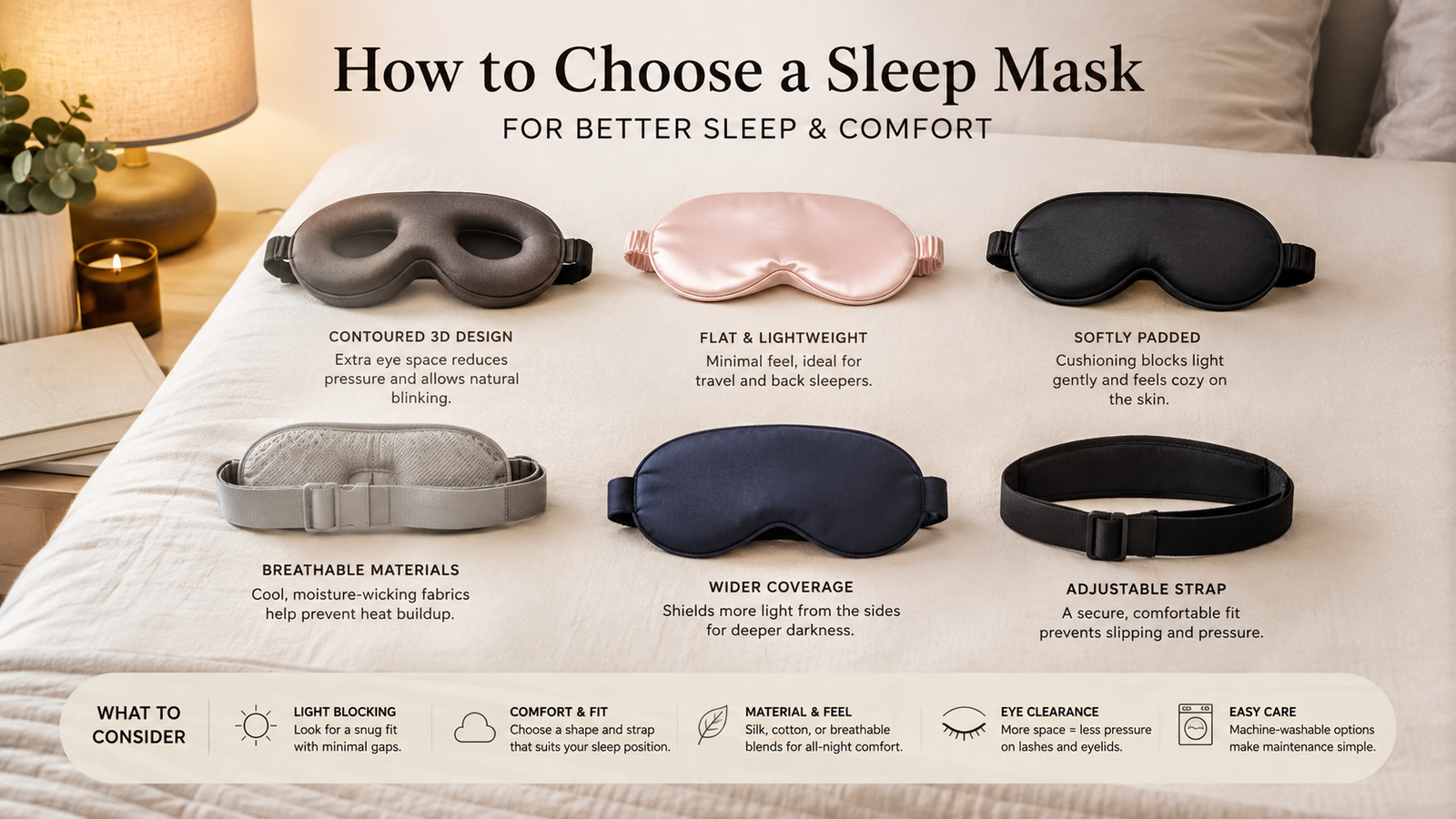
Darkness
A dark sleep environment can make nighttime sleep easier.
Sources of unwanted light may include:
- streetlights;
- hallway lights;
- electronics;
- early morning sunlight.
Solutions can include:
- curtains;
- blinds;
- sleep mask.
Start with the simplest option.
Small Device Lights
Tiny LEDs on:
- chargers;
- televisions;
- routers;
- clocks;
can be surprisingly noticeable in a dark room.
If they bother you, consider:
- repositioning them;
- dimming the display where possible.
You do not need complete blackout conditions if you sleep comfortably without them.
Noise
Noise can interfere with sleep particularly when it is:
- sudden;
- unpredictable.
Examples include:
- traffic horns;
- neighbours;
- doors;
- dogs;
- household activity.
Possible solutions include:
- earplugs;
- white or steady background noise;
- better window sealing;
- moving the bed within the room.
Steady Noise Can Mask Irregular Noise
A consistent background sound may make sudden sounds less noticeable.
Options include:
- fan;
- white-noise machine;
- speaker.
There is no need to buy a specialized machine if something you already own works adequately.
Keep Sound at a Comfortable Level
Do not try to overpower environmental noise with extremely loud background sound.
The objective is masking and comfort.
If a sleep sound needs to be uncomfortably loud, consider whether another environmental solution is needed.
Mattress Comfort
A mattress does not need to be extremely expensive to support good sleep.
The most important factors are whether you can lie comfortably without persistent:
- pressure;
- pain;
- excessive sagging;
- heat.
Mattress preference varies substantially.
Some people prefer:
- firm;
- medium;
- softer surfaces.
There is no universal firmness suitable for every sleeper.
Replace a Mattress When It No Longer Supports Comfortable Sleep
Signs that replacement may be worth considering include:
- significant sagging;
- damaged support;
- persistent discomfort clearly associated with the mattress;
- visible deterioration.
Do not replace a functional mattress simply because marketing says a certain number of years has passed.
Condition and comfort matter.
Pillow Choice
A pillow should help support a comfortable head and neck position.
Important factors include:
- sleep position;
- shoulder width;
- mattress firmness;
- pillow loft.
A side sleeper may need a different pillow height than a stomach sleeper.
There is no single “orthopaedic” shape that works for everyone.
More Pillows Are Not Automatically Better
You may benefit from additional pillows for:
- between the knees;
- under the knees;
- body support.
But use them because they improve comfort.
Do not create a complicated pillow arrangement that makes it difficult to move naturally during sleep.
Bedding
Choose bedding according to:
- climate;
- personal temperature preference;
- ease of cleaning.
Breathable materials may be useful in warm environments.
Warmer blankets may be appropriate in colder conditions.
Sleep comfort matters more than luxury thread-count claims.
Keep Bedding Clean
Sheets and pillowcases collect:
- sweat;
- skin oils;
- hair products;
- dust.
Wash them on a practical, consistent schedule.
There is no need to obsessively launder bedding every day.
The goal is a clean and comfortable sleep environment.
Bedroom Air Quality
A bedroom should ideally be:
- adequately ventilated;
- free from excessive dampness;
- reasonably clean.
Address problems such as:
- visible mould;
- persistent musty smells;
- significant indoor smoke.
Air purifiers may help with certain airborne particles, but they are not substitutes for:
- ventilation;
- source control;
- fixing moisture problems.
Keep the Bedroom Associated With Rest
If possible, avoid turning the bedroom into:
- full-time office;
- storage room;
- entertainment centre;
- workout room.
Not every home has enough space to separate activities completely.
If your bedroom must also serve another role, use environmental cues to transition.
For example:
close laptop → clear desk → dim lights → begin sleep routine
The physical room can remain the same while the context changes.
Clock Watching
Repeatedly checking the time during a poor night can increase frustration.
You may think:
“It’s 1:20. Now I only have five hours and forty minutes.”
Then:
“It’s 1:47. This is getting worse.”
That mental calculation can make sleep harder.
If clock checking is a habit, position the clock so it is not constantly visible.
Do Not Try to Force Sleep
Sleep is unusual because trying harder can make it more difficult.
You cannot command yourself:
“Fall asleep now.”
If you are lying awake and becoming increasingly frustrated, it may help to temporarily do something calm in dim light until sleepiness returns.
Then return to bed.
Avoid Highly Stimulating Activities During Nighttime Wakefulness
If you wake and cannot return to sleep, avoid turning the period into:
- work time;
- social media time;
- gaming;
- news consumption.
Choose something low stimulation.
The goal is to make wakefulness calm and temporary rather than rewarding and activating.
What About Reading in Bed?
Reading can be useful if it reliably makes you:
- calm;
- sleepy.
But if you read highly stimulating material for hours, it may delay sleep.
Use your own response as the guide.
Stress and Sleep
Stress is one of the most common reasons sleep becomes difficult.
You may lie down physically tired while your mind continues processing:
- work;
- finances;
- relationships;
- future tasks;
- unresolved problems.
A sleep routine cannot remove every life stressor.
But it can reduce the amount of active stimulation surrounding bedtime.
Create a “Worry Time” Earlier
If worries repeatedly appear only after the lights go out, consider deliberately addressing them earlier.
For example, during the evening:
- Write the concern.
- Decide whether any action is possible.
- Write tomorrow’s next step.
- Set the issue aside.
The goal is not to solve life completely.
It is to reduce repetitive nighttime mental rehearsal.
Breathing Exercises
Slow breathing can help some people transition into a calmer state.
You do not need a complicated counting formula.
Try:
- Lie comfortably.
- Breathe naturally.
- Gradually slow the breathing.
- Keep the breath comfortable.
- Continue for several minutes.
Do not force huge breaths.
If you feel dizzy, return to normal breathing.
Meditation
Meditation can support relaxation for some people.
It can involve:
- noticing breathing;
- body awareness;
- guided audio;
- quiet attention.
You do not need a specialized app or subscription.
Five or ten minutes can be enough if the practice is useful to you.
Progressive Muscle Relaxation
Another option is intentionally relaxing different body areas in sequence.
For example:
- feet;
- legs;
- abdomen;
- hands;
- shoulders;
- face.
You may briefly tense a muscle and then release it, provided that doing so is physically comfortable.
This can help some people notice and reduce unnecessary muscle tension.
Warm Shower Before Bed
A warm shower can become a useful transition cue.
Benefits can include:
- physical comfort;
- removal of sweat;
- psychological separation from the day.
It does not need to be extremely hot.
Very hot water may:
- dry the skin;
- make you feel overheated.
Comfortable warmth is enough.
Sleep Supplements
Sleep supplements are widely marketed.
Examples include products containing:
- melatonin;
- magnesium;
- herbal ingredients;
- multiple “sleep blends.”
These should not be the automatic first step for ordinary sleep difficulties.
Start with:
- schedule;
- caffeine;
- alcohol;
- environment;
- sleep opportunity.
Melatonin
Melatonin is a hormone involved in biological timing.
Supplemental melatonin can have specific uses, particularly around circadian timing.
It should not automatically be treated as a general sleeping pill for everyone.
Dose, timing and indication matter.
If you are considering regular use—particularly alongside medications or medical conditions—appropriate professional advice may be useful.
Magnesium
Magnesium is an essential nutrient and is widely promoted for:
- relaxation;
- sleep.
But taking additional magnesium does not guarantee better sleep if you are already meeting your needs.
Supplements can also cause:
- digestive side effects;
- medication interactions.
Do not assume that “natural” means risk-free.
Herbal Sleep Products
Products may include ingredients such as:
- valerian;
- chamomile;
- other botanical extracts.
Evidence, formulation and doses vary.
Herbal products can still:
- cause side effects;
- interact with medication.
A cup of caffeine-free herbal tea as a relaxing routine is different from using concentrated supplements as treatment for ongoing insomnia.
Prescription and Over-the-Counter Sleep Medicines
Sleep medicines may be appropriate in certain circumstances under professional guidance.
But they can have:
- side effects;
- next-day sedation;
- interactions;
- dependence or tolerance considerations depending on the medicine.
Persistent sleep problems deserve proper assessment rather than repeatedly self-medicating.
Sleep Trackers
Wearables and smart devices can estimate:
- sleep duration;
- sleep timing;
- nighttime movement;
- heart rate;
- different sleep stages.
Their most useful role for many people is observing broad patterns.
Consumer Sleep Stages Are Estimates
A watch or ring does not measure sleep in exactly the same way as clinical sleep testing.
Do not overinterpret a statement such as:
“Only 47 minutes of deep sleep.”
Look instead at:
- bedtime consistency;
- total sleep estimates;
- wake time;
- long-term patterns.
Sleep Tracking Can Sometimes Make Sleep Worse
Some people become anxious about:
- sleep score;
- deep sleep percentage;
- readiness score.
If tracking makes you:
- worry more;
- repeatedly check data;
- feel that a good morning is invalid because the score was poor;
consider reducing tracking.
A device should support sleep, not turn it into another performance test.
You Can Track Sleep Without Technology
A simple log can include:
- approximate bedtime;
- approximate wake time;
- naps;
- caffeine;
- subjective sleep quality.
This may reveal patterns without requiring wearable data.
Shift Work
Shift workers face particular challenges because work hours can conflict with normal biological timing.
Helpful strategies may include:
- maximizing darkness during daytime sleep;
- reducing environmental noise;
- using consistent sleep timing where schedules permit;
- managing caffeine strategically;
- using light exposure deliberately.
Rotating shifts can make consistency especially difficult.
Individual occupational or medical guidance may be useful when sleep problems are significant.
Jet Lag
Travel across time zones shifts environmental time faster than your internal clock can immediately adjust.
Practical strategies may involve:
- gradually adjusting timing;
- appropriately timed light exposure;
- adapting meals and activity to destination time;
- short strategic naps.
The approach depends on:
- direction of travel;
- number of time zones;
- trip length.
Parents and Caregivers
Some people cannot maintain ideal sleep schedules because they care for:
- babies;
- children;
- relatives.
In these circumstances, perfection is unrealistic.
Focus on what is controllable:
- protecting available sleep opportunities;
- sharing duties where possible;
- avoiding unnecessary late-night activities when sleep is available.
Sleep advice should fit real life.
Sleep and Age
Sleep patterns can change with age.
Older adults may experience:
- earlier sleep timing;
- more nighttime awakenings;
- lighter sleep.
That does not mean persistent severe sleep problems should automatically be accepted as normal ageing.
Significant:
- insomnia;
- excessive daytime sleepiness;
- loud snoring;
- breathing pauses;
still deserve assessment.
Snoring
Occasional snoring is common.
But loud, persistent snoring—particularly when combined with:
- breathing pauses;
- gasping;
- choking during sleep;
- excessive daytime sleepiness;
- morning headaches;
can suggest sleep-disordered breathing.
A pillow or anti-snoring gadget should not delay appropriate evaluation.
Sleep Apnoea
Obstructive sleep apnoea involves repeated obstruction of airflow during sleep.
Possible signs can include:
- loud snoring;
- witnessed breathing pauses;
- gasping;
- daytime sleepiness;
- poor concentration.
This condition requires medical assessment and should not be treated solely with general sleep-hygiene advice.
Restless Legs
Some people experience uncomfortable sensations in the legs and a strong urge to move them, particularly:
- in the evening;
- while resting.
Persistent symptoms may represent restless legs syndrome.
If this regularly disrupts sleep, seek appropriate assessment rather than relying only on massage or relaxation products.
Insomnia
Insomnia involves persistent difficulty:
- falling asleep;
- staying asleep;
- waking too early;
along with daytime consequences despite having adequate opportunity for sleep.
One or two bad nights do not mean you have insomnia.
If sleep problems persist over time, professional assessment can identify:
- behavioural causes;
- medical contributors;
- mental-health factors;
- medication effects.
Cognitive Behavioural Therapy for Insomnia
CBT-I is a structured behavioural approach specifically designed for insomnia.
It can include strategies involving:
- sleep scheduling;
- stimulus control;
- beliefs about sleep;
- relaxation;
- behavioural changes.
For persistent insomnia, this can be more appropriate than continually purchasing sleep accessories or supplements.
Medical Conditions Can Affect Sleep
Poor sleep may sometimes be related to:
- pain;
- reflux;
- respiratory problems;
- hormonal changes;
- urinary symptoms;
- neurological conditions;
- mental-health conditions.
If you have persistent sleep disruption despite a reasonable routine, consider whether another underlying issue may be contributing.
Medications Can Affect Sleep
Some medications may influence:
- alertness;
- sleepiness;
- nighttime urination;
- breathing;
- restlessness.
Do not stop prescribed medication without professional advice.
If sleep changed after starting a medication, discuss it with the prescribing clinician.
A Practical 24-Hour Sleep Routine
Good sleep habits begin long before bedtime.
Morning
- Wake at a reasonably consistent time.
- Get natural light when possible.
- Move your body.
- Use caffeine strategically rather than automatically.
Daytime
- Stay reasonably active.
- Hydrate normally.
- Exercise regularly.
- Avoid excessively late long naps if they disturb nighttime sleep.
Evening
- Finish heavy work where possible.
- Avoid very large late meals.
- Reduce late caffeine.
- Moderate alcohol.
- Lower unnecessary stimulation.
Before Bed
- Dim lights.
- Complete personal-care tasks.
- Put work and notifications away.
- Do something calm.
- Go to bed when ready for sleep.
That is enough for a strong foundation.
A Simple 30-Minute Wind-Down
You could use:
30 minutes before bed
Finish:
- messages;
- work;
- planning.
20 minutes before bed
- shower or wash;
- brush teeth;
- prepare bedroom.
10 minutes before bed
- dim lights;
- read;
- breathe slowly;
- listen to quiet audio.
Bedtime
- phone away;
- lights out;
- allow sleep rather than trying to force it.
The exact timing is flexible.
How to Improve Sleep Without Changing Everything
If your sleep is poor, do not overhaul 15 habits at once.
Start with the highest-impact issue.
For example:
Week 1
Set a consistent wake time.
Week 2
Move caffeine earlier.
Week 3
Create a 30-minute wind-down.
Week 4
Move the phone away from the bed.
Gradual improvement is often easier to maintain than a perfect routine attempted for three days.
Identify Your Biggest Sleep Problem
Use this simple guide:
| Problem | First thing to examine |
|---|---|
| Cannot fall asleep | Timing, caffeine, stimulation, stress |
| Wake repeatedly | Noise, temperature, alcohol, medical factors |
| Wake too early | Sleep timing, stress, light exposure |
| Always tired despite enough time in bed | Sleep quality/possible medical cause |
| Sleep late on weekends | Schedule consistency |
| Phone delays bedtime | Device boundary |
| Room too bright | Curtains or sleep mask |
| Room too noisy | Earplugs/background sound |
| Too hot | Bedding, ventilation, room temperature |
| Mind keeps racing | Wind-down + written task list |
| Long daytime naps | Nap timing/duration |
Common Sleep Habit Mistakes
Trying to Fix Sleep With Products First
Start with schedule and routine.
Going to Bed Extremely Early After One Bad Night
This can create hours of wakefulness in bed.
Sleeping Very Late on Weekends
Large schedule changes can make Monday more difficult.
Drinking Caffeine Without Considering Timing
Afternoon intake can affect some people well into the evening.
Using Alcohol as a Sleep Aid
Sedation and restorative sleep are not the same thing.
Staying on the Phone Until Sleep Happens
This often delays bedtime without being noticed.
Trying to Force Sleep
Frustration usually increases arousal.
Exercising Too Little
Regular movement can support sleep.
Exercising Extremely Hard Because You Want to “Exhaust Yourself”
Overtraining and excessive late stimulation can create other problems.
Watching the Sleep Tracker Too Closely
Estimated sleep stages are not a nightly exam.
Assuming Snoring Is Always Harmless
Significant snoring with breathing symptoms deserves assessment.
Taking Supplements Before Addressing the Basics
A poor schedule cannot always be supplemented away.
A Better Way to Evaluate Sleep Progress
Look at trends across several weeks.
Ask:
- Am I falling asleep more easily?
- Am I waking less often?
- Am I keeping a more regular schedule?
- Do I have better daytime energy?
- Am I less dependent on caffeine?
- Is getting out of bed easier?
These outcomes matter more than achieving a perfect sleep score.
Do Not Panic After a Bad Night
A single poor night is usually not a disaster.
The temptation is to:
- sleep until midday;
- cancel activity;
- drink excessive caffeine;
- nap for hours;
- go to bed extremely early.
That can sometimes make the following night more difficult.
When practical, return to your normal schedule and allow sleep to recover naturally.
What to Do After a Poor Night
Consider:
- Wake around your normal time.
- Get morning daylight.
- Use caffeine moderately.
- Stay reasonably active.
- Take a short nap only if genuinely necessary.
- Return to the normal evening routine.
Avoid turning one poor night into a completely different sleep schedule.
What Sleep Products Can Actually Help?
Products can be useful when they solve identifiable environmental problems.
Examples include:
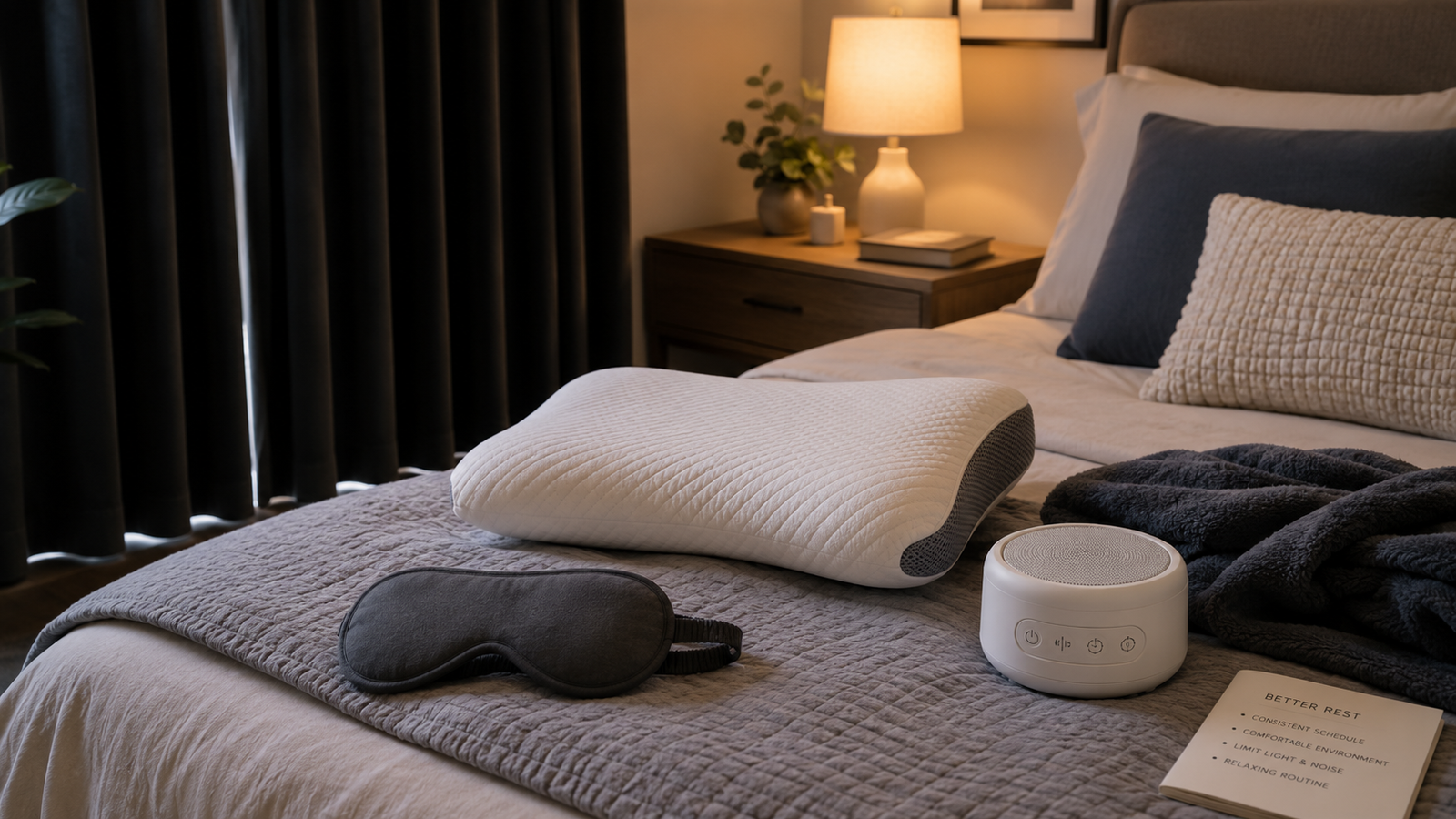
Sleep Mask
If the bedroom cannot be made dark enough.
Earplugs
If noise is unpredictable.
White-Noise Machine
If masking environmental sound helps.
Appropriate Pillow
If current pillow is uncomfortable.
Better Bedding
If overheating or cold is interfering with sleep.
Blackout Curtains
If external light is a persistent issue.
The product should address a problem you have already identified.
What Sleep Products Cannot Do
No consumer product can reliably compensate for:
- consistently sleeping too little;
- drinking large amounts of caffeine late in the day;
- heavy alcohol use;
- untreated sleep apnoea;
- severe stress;
- inappropriate work schedules;
- significant medical problems.
Fix the fundamentals first.
Before Buying a Sleep Product
Ask yourself:
- What specific problem am I solving?
- Is the problem environmental or behavioural?
- Could a habit change fix it?
- Have I tried the simpler solution first?
- Is the product comfortable?
- Does it require an app?
- Will it create another notification or screen?
- Is it easy to maintain?
- Will I actually use it every night?
- Are the claims realistic?
Quick Sleep Habit Checklist
Before looking for more complicated solutions, check these basics:
- reasonably consistent wake time;
- enough opportunity for sleep;
- morning daylight;
- regular daytime movement;
- caffeine managed appropriately;
- alcohol not used as a sleep aid;
- naps not disrupting bedtime;
- evening stimulation reduced;
- bedroom reasonably dark;
- bedroom reasonably quiet;
- temperature comfortable;
- bed and pillow comfortable;
- wind-down routine established;
- persistent symptoms medically assessed when necessary.
Frequently Asked Questions
How much sleep do adults need?
Many adults function best with roughly 7–9 hours of sleep, although individual needs vary.
What time should I go to bed?
There is no universal bedtime. Work backward from your required wake time and the amount of sleep you generally need.
Is it important to sleep at the same time every night?
Reasonable consistency can support circadian timing. Exact minute-by-minute consistency is unnecessary.
Should I wake at the same time on weekends?
Keeping weekend wake times reasonably close to the weekday schedule can make maintaining a regular rhythm easier.
Is using my phone before bed bad?
It can be if it delays sleep, keeps you mentally stimulated or exposes you to constant notifications. The behavioural effect is often as important as the screen itself.
How long before bed should I stop caffeine?
Sensitivity varies. If sleep is poor, experiment with moving your final caffeine serving progressively earlier.
Does alcohol help sleep?
It can make you feel sleepy initially but may contribute to fragmented and poorer-quality sleep later in the night.
Is exercising at night bad for sleep?
Not universally. Many people sleep well after evening exercise. If intense late exercise consistently keeps you awake, experiment with earlier training.
Should I take naps?
Naps can be useful, but long or late naps may interfere with nighttime sleep in some people.
Is a cold bedroom better for sleep?
Many people prefer a somewhat cooler bedroom, but comfort is more important than chasing an exact temperature.
Do I need blackout curtains?
Only if unwanted light genuinely interferes with sleep. A sleep mask may be a simpler alternative.
Is white noise good for sleep?
It can help mask disruptive environmental noise for some people. Keep the volume comfortable.
Is melatonin safe to take every night?
Melatonin has specific uses and appropriate timing matters. Regular supplementation should not automatically replace evaluation of persistent sleep problems.
Does magnesium improve sleep?
It is not a guaranteed sleep treatment. Supplementation may be unnecessary when dietary intake is adequate.
Are sleep trackers accurate?
They can be useful for broad patterns but consumer devices estimate sleep stages and should not be treated as clinical sleep studies.
Why do I wake up in the middle of the night?
Brief awakenings can occur normally. Persistent or prolonged awakenings may be influenced by environment, stress, alcohol, pain, medical conditions or sleep disorders.
Why am I tired even after eight hours?
Possible reasons include:
- poor sleep quality;
- fragmented sleep;
- insufficient sleep for your individual need;
- sleep-disordered breathing;
- medication effects;
- medical conditions.
Persistent excessive daytime tiredness deserves appropriate assessment.
Is snoring dangerous?
Occasional snoring is common, but loud persistent snoring accompanied by gasping, breathing pauses or excessive daytime sleepiness may indicate sleep-disordered breathing.
What should I do if I cannot fall asleep?
Avoid repeatedly checking the clock or trying to force sleep. If you remain awake and frustrated, a calm low-stimulation activity outside bed for a short period may help until sleepiness returns.
How long should I try sleep-hygiene changes before seeking help?
If sleep problems are persistent, significantly affect daytime function or continue despite reasonable behavioural changes, seek professional assessment rather than indefinitely experimenting with products.
When should I speak to a healthcare professional about sleep?
Consider appropriate assessment for:
- persistent insomnia;
- excessive daytime sleepiness;
- loud snoring with breathing pauses;
- repeated gasping during sleep;
- restless-leg symptoms;
- sleep problems affecting daily functioning;
- persistent sleep disruption related to pain or other medical symptoms.
The Physical Glow Takeaway
Better sleep is usually built through consistent daily habits rather than one perfect nighttime product.
Start by protecting enough time for sleep and keeping your wake time reasonably stable. Get daylight during the day, move regularly, manage caffeine according to your sensitivity and avoid relying on alcohol to make yourself sleepy.
As evening approaches, reduce unnecessary stimulation. Dim the environment, finish work, move the phone away from the bed and create a short wind-down sequence you can repeat without effort.
Then improve the bedroom itself:
comfortable temperature → appropriate darkness → manageable noise → supportive bed and pillow.
Sleep products can help when they solve a clear problem. A sleep mask can address unwanted light. Earplugs or steady sound can reduce environmental noise. Better bedding may improve temperature comfort.
But accessories should come after the fundamentals.
Do not judge your sleep by one bad night or a wearable’s estimated deep-sleep score. Look at the bigger pattern: how consistently you sleep, how you feel during the day and whether your routine is becoming easier to maintain.
The best sleep routine is not the most elaborate one. It is the one that gives your body enough time, enough consistency and a calm enough environment to do something it already knows how to do: sleep.